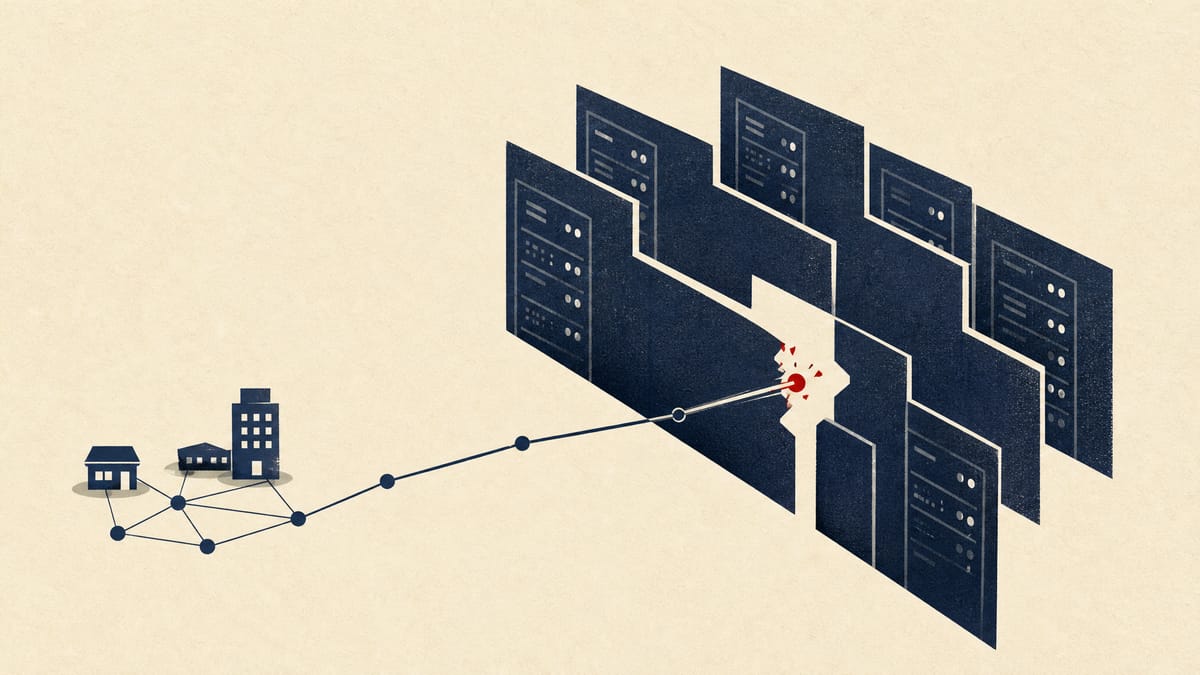
Japan's economy, trade and industry minister said on 23 October that the ministry will set up a team of elite hackers at the Information-technology Promotion Agency (IPA) within the next month. The team is meant to attack systems with high-performance AI and find holes before real attackers do. The minister made the announcement in his opening remarks after the cabinet meeting.
The reasoning: defence is structurally behind
The minister said recent unauthorised-access cases may involve attackers using AI to probe widely for vulnerabilities. He argued that defenders must also use AI and move first.
He gave three reasons defence is structurally weaker. It is designed around anticipated attacks, so it reacts after the fact. An attacker needs only one hole, while a defender must cover everything. Attacks also tend to exploit what was not anticipated. His answer is to think like the attacker and run simulated attacks, known as penetration tests, with high-performance AI on the defending side, "thoroughly". He noted that an earlier Liberal Democratic Party proposal also mentioned AI-based security.
What the team is
The minister described the recruits as "top gun" talent who attack harder than a real attacker would to find system weaknesses. He used the term "off-white hackers" for people who keep attacks in mind while making the overall defence work. He said he has instructed that the team be assembled with attention to the trustworthiness of its members. The team will be set up at the IPA, which falls under the ministry's remit, within next month.
The minister gave no headcount, budget or hiring terms for the team in his remarks. He answered questions on the team in terms of finding and patching vulnerabilities "before the bad actor" does.
Alerts over the PHP vulnerability
A reporter asked about a vulnerability in the PHP programming language and an update released on 21 October. The minister said PHP is used on many websites and the impact could be broad. On 22 October the ministry, working with the National Cybersecurity Office (NCO), sent an alert through about 1,000 industry bodies under its remit. The IPA website also carried an alert urging prompt updates.
Asked about ministry systems and affiliated bodies' sites going down, the minister said that as of 12:30am three bodies under the ministry's remit were showing "maintenance" notices on their websites. He said officials were checking the details. He did not link those outages to the PHP flaw.
Support for smaller companies
The minister said attacks that target whole supply chains through poorly protected small and medium-sized firms are a threat. He cited two supports for them. The cost of introducing the "Cybersecurity Support Squad" service is already eligible under the Digitalisation and AI Adoption Subsidy. A supply-chain security-measures evaluation scheme will begin operating next March.
On incident reporting, he pointed to a ministry notice of 9 October asking companies to share information when attacked. The ministry is collecting that information and hearing from firms, and it is pooling it at the NCO. He declined to describe attack methods or perpetrators, saying detail could invite further attacks.