Web View
Kyocera's ¥2.6tn revenue target leans on AI parts, plus a ¥1 bid bump and Datasection's one-project forecast
Kyocera sets a ¥2.6tn revenue target that leans on AI networking parts, Kamgras raises a Kakaku.com bid by exactly ¥1, and Datasection cuts its forecast from ¥162.19bn to ¥17.29bn.
MARKETS
Market pulse
Tokyo equities advanced while the 10Y JGB yield nudged lower.
Sourced from Nikkei, JPX, BOJ, MOF - values, not commentary.
lead
Kyocera's ¥2.6tn Revenue Target Leans on AI Networking Parts

Kyocera's ¥2.6tn target for March 2031 leans on AI networking parts
Kyocera is aiming for ¥2.6tn in revenue and ¥320bn in operating profit, a 12.3% margin, in the year ending March 2031. It presented the plan at its business strategy briefing on 26 November. The base is the year to March 2026: ¥2.07tn in revenue and ¥118.1bn in operating profit, a 5.7% margin. The net profit target for 2031 is ¥250bn.
What changed: The components business carries the plan. Kyocera names three growth drivers: AI peripheral network parts, semiconductor manufacturing equipment parts and next-generation mobility system products. Together they are planned to grow revenue from ¥242.2bn to ¥610bn and business profit from ¥28.9bn to ¥140bn. AI networking parts, which include multilayer ceramic capacitors and ceramic packages for optical communications, have the steepest path: from ¥86.0bn to ¥310bn of revenue, at a 29% annual growth rate, with a margin of about 27% from 7.5%.
The number: The money follows. Kyocera plans about ¥810bn of components capex over six years, ¥160bn more than the figure it published in July 2026. The group-wide plan runs from the year to March 2027 to the year to March 2031 and calls for about ¥900bn of capex and ¥650bn of R&D, against ¥149.1bn and ¥115.7bn in the year to March 2026. Kyocera also plans about ¥850bn for M&A and share buybacks combined and about ¥400bn for dividends, and expects about ¥700bn from selling shareholdings. The slide does not split the ¥850bn between deals and buybacks.
Why it matters: The current-year forecast is ¥2.12tn in revenue and ¥160bn in operating profit, a 7.5% margin, against the 12.3% targeted for 2031. Return on equity was 4.3% in the year to March 2026. Kyocera targets at least 8.0% for the year to March 2031.
What to watch: From the year to March 2028 Kyocera will judge 48 business units on return on invested capital, up from 14 product-line units now. The 2031 figures are company targets, and Kyocera warns that actual results may differ materially.
secondary
Bids, Pledges and Activist Stakes
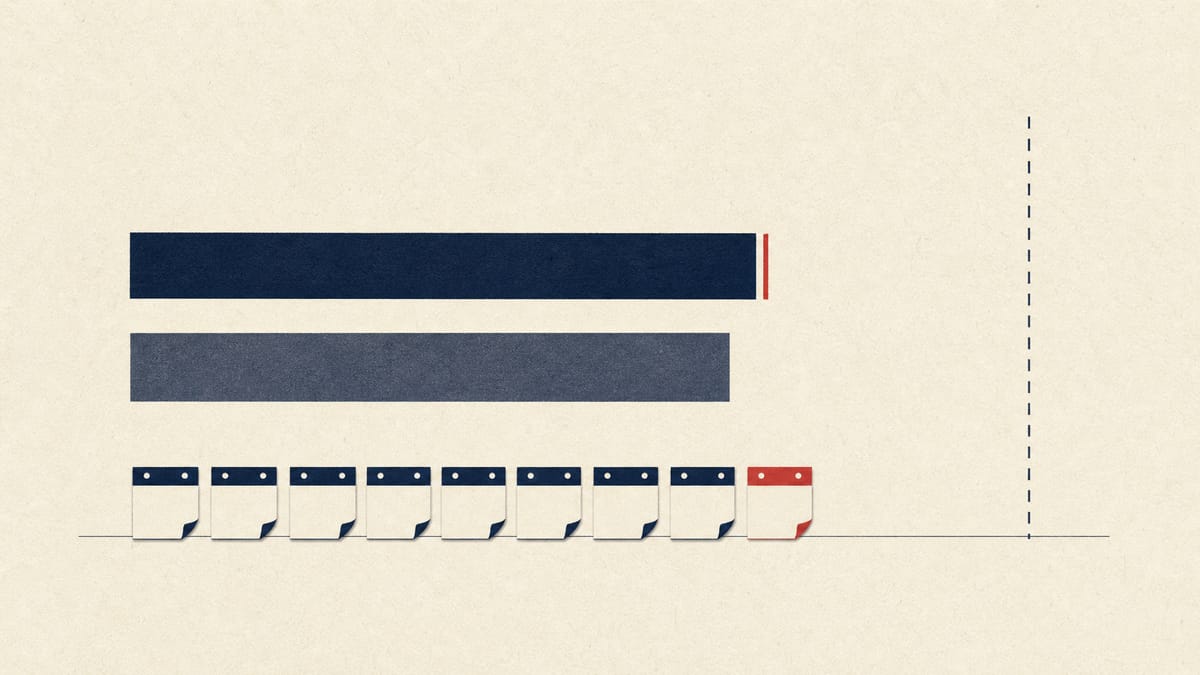
Kamgras 1 adds ¥1 to Kakaku.com offer and extends it to Dec 10
Kamgras 1 lifted its Kakaku.com offer to ¥3,701 from ¥3,700, extended the tender period to Dec 10 and moved settlement to Dec 17.
What changed: The extension brings the period to 144 business days, and settlement now starts on Dec 17 instead of Dec 3. Shares already tendered are bought on the amended terms. The planned purchase of 121,905,767 shares at ¥3,701 comes to ¥451.17bn before fees, with a lower limit of 34,941,000 shares and no upper limit. The amended filing gives no tender tally.
The catch: The filing refers to a separate offer by another proposer and a “KDDI price threshold”, which it puts at ¥3,776 after this change. Kamgras 1 says its ¥3,701 now exceeds the other proposer's price as of Nov 26, and that the other proposer's price stays below the KDDI price threshold. On that basis it says that, as long as its own offer continues and the other price is unchanged, the preconditions for starting the other offer are not expected to be met. That is the bidder's own assessment.
What to watch: The planned buyback price for designated non-tendering shareholders rose to ¥3,009 from ¥3,008. The squeeze-out meeting is now planned for early February 2027, from mid-January, and the buyback for mid-March 2027.
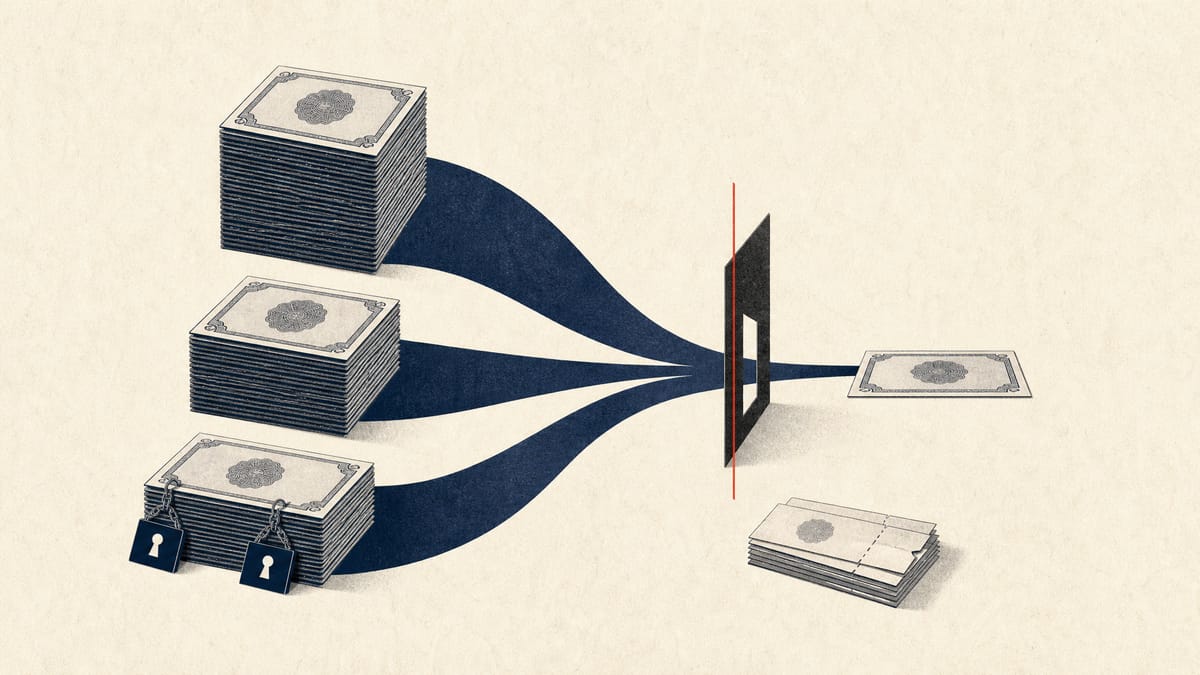
J Trust group agrees to tender 7.1mn KeyHolder shares to HYBE Japan
J Trust and two joint holders have agreed to tender all 7,148,690 of their KeyHolder shares into HYBE Japan's tender offer. The commitments are dated 18 November 2026, and the offer period runs from 19 November 2026 to 6 January 2027.
What changed: Until settlement begins, each holder agrees not to buy or sell KeyHolder shares, apart from tendering, lifting encumbrances on the tendered shares and acquisitions through exercise of third-series warrants. Each must tell HYBE Japan of a concrete rival approach and its main terms as soon as reasonably practicable, within confidentiality limits. For any shareholder meeting with a record date before settlement starts, each must give HYBE Japan a blanket proxy or vote as instructed, at HYBE Japan's choice. The group's reported 37.77% is unchanged from its previous report, which this filing amends because the holding purpose and a material contract changed.
The catch: J Trust has an exit. Its board may request talks if a qualifying counterproposal arrives by the business day before the tender period ends and the board reasonably finds it more favourable. If HYBE Japan does not offer equivalent or better terms within two business days of receiving that request, and the board reasonably judges that refusing would risk breaching directors' duties, J Trust may withdraw. The report does not give the tender price. In a separate filing, two individual holders agreed to tender warrants only: 106,666 and 39,703. One of them agreed not to tender his 1,440,000 shares. The two blocks are not added together.
What to watch: The offer period ends on 6 January 2027. If it is extended past that date, then for meetings held before the offer succeeds, the proxy duty gives way to prior good-faith consultation with HYBE Japan and a ban on votes cast mainly to improperly obstruct the offer's implementation or success.
3D Investment Partners lifts J.Front Retailing stake to 16%
3D Investment Partners now holds 16.00% of J.Front Retailing, up from 14.97% in its previous report. The filing covers 43,290,200 shares against 270,565,764 outstanding as of 14 October 2026, and the reporting obligation arose on 18 November.
What changed: The Singapore-based investment adviser bought almost daily from 14 October to 18 November, mostly on-market. For the reported holding as a whole, the filing lists ¥109.68bn in total acquisition funds, with no borrowings. As of 18 November 3D said it was in dialogue with J.Front's board and management on portfolio optimisation, use of owned assets, capital allocation and capital policy. In 3D's view, J.Front's adjusted ROE and ROIC are low and, once property value is counted, it is over-capitalised. Those are the fund's judgments, not J.Front's.
What to watch: 3D plans written proposals when it judges them useful. The areas it lists include director appointments, board composition, major asset disposals or acquisitions, and dividend policy. The filing does not say any proposal has been made. As of 18 November 3D had no specific plan to add more than 5 percentage points, though it says it could do so within three months.
secondary
Guidance Under Strain
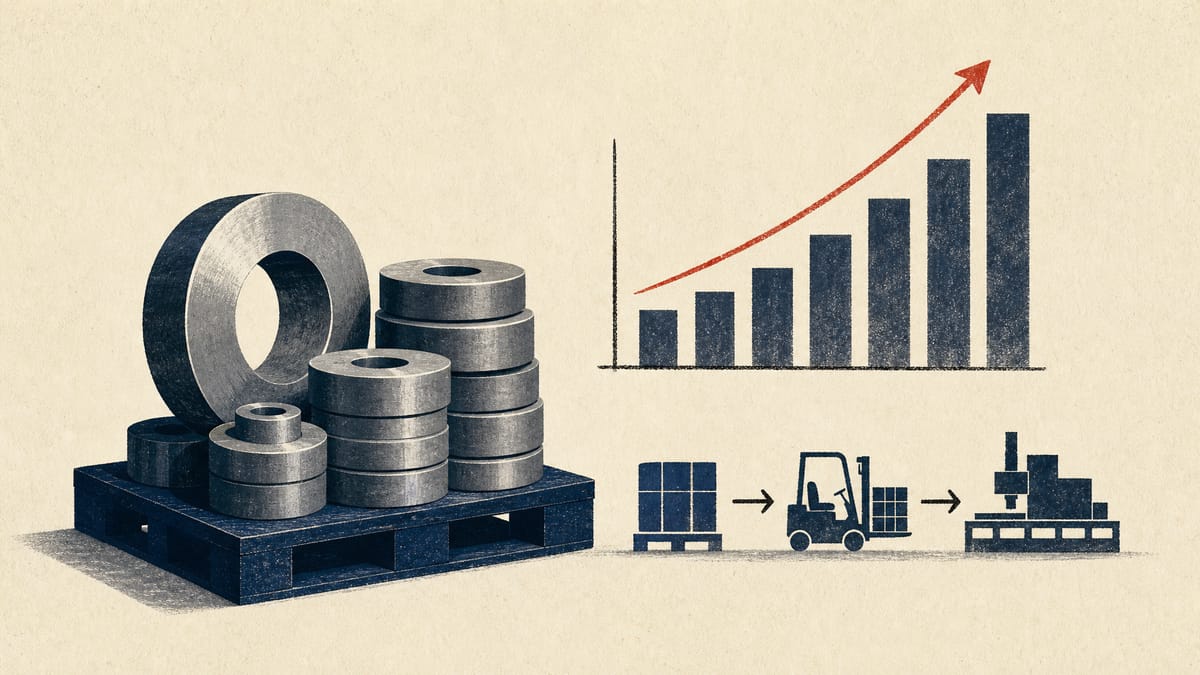
Fuji Die's first-half profit jumps, but tungsten costs are guided to bite in the second half
Fuji Die's first-half operating profit rose 451.1% to ¥1.776bn on sales of ¥11.328bn, up 34.6%. The carbide tool maker says its average-cost accounting delayed the hit from dearer raw materials, and its own forecast has second-half operating profit falling to ¥604mn.
What changed: Price increases passed on to customers drove sales, while volumes fell as the company adjusted orders amid an uncertain raw-material outlook. It has temporarily suspended orders for copper-tungsten alloy. Operating profit was ¥322mn a year earlier. The company's total average costing, which averages the acquisition cost of materials on hand, held down the first-half hit from dearer raw materials. In the profit bridge, higher sales added ¥2.911bn and raw-material costs subtracted ¥1.587bn.
The catch: Operating cash flow was an outflow of ¥1.173bn, against an inflow of ¥712mn a year earlier, as inventories absorbed ¥3.887bn. Fuji Die says the averaging effect fades as opening inventory becomes a smaller share of the year's materials. The second-half profit assumptions use an ammonium paratungstate (APT) price of $3,031 per 10kg in the third quarter and $2,500 in the fourth.
Context: Fuji Die ties the supply problem to tighter critical-mineral export controls by the Chinese government. It says APT rose from $300 per 10kg before the controls to $3,000 this April and has stayed high. Its responses include recycling, with a target of about 10% recycled material in second-half raw-material use, and tungsten-free alloys. The November 13 guidance revision lifted full-year operating profit to ¥2.38bn from ¥840mn.
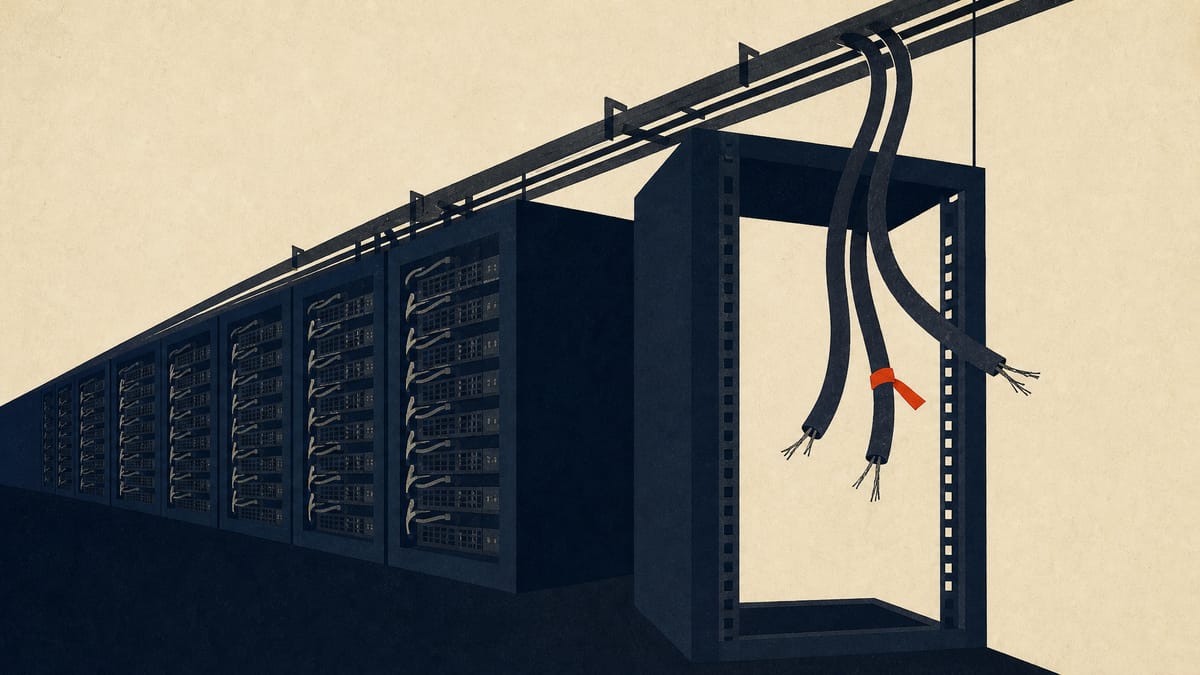
Datasection cuts its revenue forecast to ¥17.29bn and rests it on one operating project
Datasection's revised outlook for the year to March 2027 assumes a single operating AI-infrastructure project. Sales guidance falls to ¥17.29bn from ¥162.19bn in the May forecast, and the net result moves to a ¥1.48bn loss from a forecast profit of ¥8.70bn.
What changed: The original forecast included projects A to C plus additional services to the same customer. Interim sales were ¥6.69bn, up 283.4%, and operating profit was ¥3.02bn against a ¥1.37bn loss a year earlier. The interim net loss attributable to owners of the parent was ¥2.35bn, which Datasection attributes to non-operating costs and a ¥3.07bn special loss on cancelled Australian capacity: ¥2.75bn of lease termination loss and a ¥314mn provision for communications-line fees. It says the charge does not touch operating profit.
The catch: An exclusive arrangement agreement with a global investment firm managing $100bn expired on November 11, and Datasection decided not to extend it. The agreement aimed to raise $500mn to $1bn for GPU servers. For the operating project, a different financial institution has approved a loan in principle, and the loan agreement is still to be signed.
What to watch: The operating project rests on a contract announced on September 18, worth ¥139.92bn over a maximum five-year term: three years, with a customer option to extend by up to two. Service began in October. Of 20,000 Blackwell-generation GPUs secured across three projects, 4,616 had been delivered by November. The remaining 2,000 for the first project are due by mid-December.
Demae-can posts a provisional monthly profit after annual loss widens to ¥8.3bn
Demae-can lost ¥8.3bn at the operating level in the year to August 2026, up from ¥4.9bn. It told shareholders on 26 November that October brought a provisional operating profit of ¥130mn, its first monthly profit in the period the company charted.
The number: Revenue was ¥39.1bn against ¥39.7bn a year earlier. Since the second quarter of the prior year the company has netted coupon usage out of revenue, so it also shows a comparable prior-year figure of ¥38.3bn, which puts this year's revenue at 102% of that base. In the fourth quarter, revenue was ¥10.8bn, or 113% of the year-earlier quarter, with an operating loss of ¥1.9bn. Orders reached 16.05 million and quarter-end active users 2.72 million.
What changed: Demae-can will stop issuing full-year forecasts and publish quarterly ones, citing demand and competition that can shift sharply in a short time. For the first quarter of the year to August 2027 it guides to revenue of ¥11.0bn to ¥11.5bn and an operating profit, with no profit figure. The September-October total was a ¥40mn profit, and the company says November is tracking October. These are provisional figures.
Zoom out: The company names high prices as the main brake on Japanese delivery. Participation in its “restaurant price” scheme, where stores offer delivery at eat-in prices, grew from 250 stores to about 25,000 by August 2026. Its slide puts delivery at 2.3% of the restaurant market in Japan, against 10.6% in the United States and 36.7% in South Korea, using third-party figures that mix 2025 data with 2026 estimates.
secondary
Bonds and Breaches

Furusato Choice leak count settles at 4.40mn records as Choice Pay set to reopen
CHANGE Holdings said its investigation into the Furusato Choice breach is finished and the number of affected records is fixed at 4,397,463, below the 4,454,097 announced on 20 October. The last suspended service, Choice Pay, is due to reopen at 12:00 on 26 November.
What changed: Two adjustments moved the total. The company removed 57,616 records belonging to people who had left the service before the unauthorised access and added 982 newly confirmed records. The count is of records, not of unique individuals.
Details: The exposed member information covers name, email address, postal address, phone number, hashed password and an estimated donation-tax-deduction amount. Five donors had more exposed, including point history for all five and card details for two. For those two, the last four digits, name and expiry date are fetched from the payment processor and are not stored in Trustbank's systems. The company said the information alone cannot be used to make a card payment.
What to watch: Trustbank will submit a final report to the Personal Information Protection Commission, a future filing. CHANGE Holdings is still assessing the effect on its consolidated results for the year to March 2027, and its notice gives no cost or revenue estimate.
Daiwa Securities Group sets 3.479% and 4.191% coupons on ¥123bn of perpetual bonds
Daiwa Securities Group has set initial coupons of 3.479% and 4.191% on two perpetual subordinated bond series totalling ¥123bn. Applications were scheduled for 26 November and payment is due on 2 December 2026, so proceeds have not yet settled.
Details: The series 5 bond is ¥101bn and series 6 is ¥22bn. Each pays its first coupon rate until a fixed date, then resets every five years to the five-year Japanese government bond yield plus a spread, 1.400 percentage points for series 5 and 1.500 for series 6. Daiwa Securities Co., a wholly owned subsidiary, is lead underwriter. The Japan Credit Rating Agency rated the bonds A- and Rating and Investment Information rated them BBB+.
The catch: Principal is written down if Daiwa's reported or published consolidated common equity Tier 1 ratio falls below 5.125%, unless a regulator-approved plan is expected to keep the ratio above that level without a write-down. The write-down can take principal to ¥1 with no shares issued in return. Daiwa can cancel any coupon at its full discretion, and cancelled interest does not accumulate. It may call all of a series at par on a reset date after prior confirmation from the Financial Services Agency commissioner, but not while a principal write-down is in effect.
Context: Net proceeds are about ¥122.2bn. Daiwa plans to use ¥41bn to redeem its 42nd unsecured bond, due 18 December 2026, and the rest to repay borrowings by the end of September 2027. The bonds are the first drawdown on the group's ¥500bn shelf registration.
quick hits
Quick Hits
TEPCO says Kashiwazaki-Kariwa safety facility schedule needs review, no new date announced
Read moreTokyo Electric Power says the construction schedule for safety facilities at Kashiwazaki-Kariwa units 6 and 7 needs review after its contractor sought changes and uneven concrete was found in part of a main structure; it has not announced a new date.
JBIC and QatarEnergy sign energy memorandum; release names no volumes or loans
Read moreJBIC's release on its QatarEnergy memorandum cites LNG, naphtha and helium as supplies Japan relies on and says the pact is consistent with its efforts, including a new window in its strategic investment facility, but names no volumes, loans or projects.
Chiba Bank lifts interim profit to ¥57bn on interest income ahead of April 2027 holding-company plan
Read moreChiba Bank's half-year net profit rose to ¥57.03bn on higher interest income, while the board approved a share-transfer plan to form a holding company with Chiba Kogyo Bank on 1 April 2027, subject to approvals.
ASICS ends ¥70bn buyback months early with cash cap nearly spent
Read moreASICS has spent ¥69.999bn of its ¥70bn buyback ceiling and ended the programme, having bought 16.4mn of a possible 20mn shares, well before the March 2027 end of its window.
Unbanked ties its controls fix to an early-March investigation report
Read moreUnbanked told the Tokyo Stock Exchange that its fix for a ¥1.34bn unpaid gold-scrap receivable may change after three outside lawyers report in early March 2027, with a possible shareholder meeting by 26 May.
Sumitomo Mitsui Trust cuts lease unit stake to 45% and books ¥15.1bn loss provision
Read moreSumitomo Mitsui Trust Bank cut its voting stake in its lease unit from 84.9% to 45% on 1 October, and the September-period accounts already carry a ¥15.1bn provision for the expected sale loss, while first-half profit rose on other drivers.