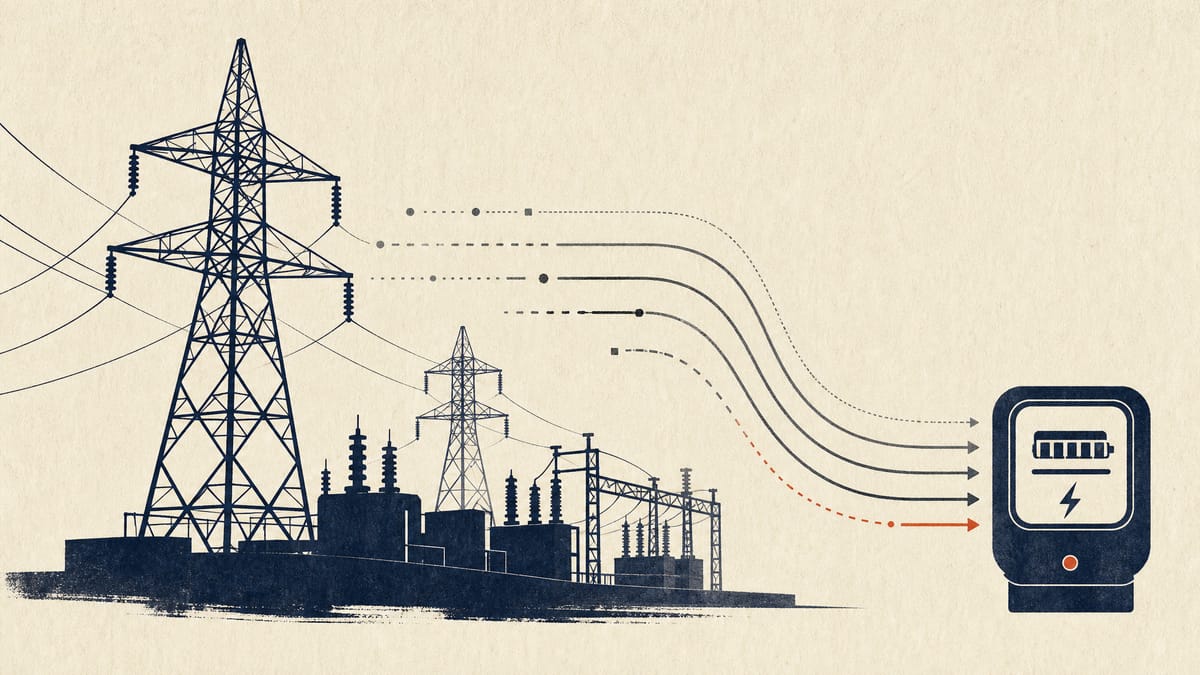
Shikoku Electric Power Transmission & Distribution, the grid subsidiary of Shikoku Electric Power Company (TSE: 9507), has secured approval from the Minister of Economy, Trade and Industry to revise the revenue forecast underlying its wheeling charges, the parent disclosed on September 4, 2026.
The subsidiary filed its application on July 10, 2026, arguing that continued increases in prices, labor costs and interest rates needed to be reflected in its transaction pricing so it could maintain the construction capacity and supply chain required for stable electricity supply. That is a fairly direct admission that inflation and higher borrowing costs are squeezing the budget for grid maintenance and buildout, and that the company sees revising its wheeling revenue forecast as the fix.
What happens next. Approval of the revenue forecast is not the same as a finished tariff. Shikoku Electric Power Transmission & Distribution must still file a change notification with the industry ministry setting out the specific wheeling-charge unit prices, which are due to apply from November 2026. Only that filing will show exactly how the wheeling charges retailers pay for grid access will change.
The parent company said the concrete impact on its consolidated results remains under examination, pending both the content of that unit-price filing and its own consideration of whether, and how, to pass the wheeling-charge revision through to retail electricity rates. In other words, the group has secured approval for a revised revenue forecast but has not yet quantified what it means for its own bottom line or for the bills its retail arm sends out.
Shikoku's case gives a concrete near-term marker, the November unit-price filing, for readers tracking whether the cost pressures behind the revised forecast, rising prices, labor costs and interest rates, eventually show up in retail electricity rates.