Hokko Chemical Industry has told investors where it thinks benzene-laden wastewater escaped from its Okayama plant, and when it expects to finish groundwater countermeasure construction: by about March 2027. The third report on the spill, dated October 23, marks progress made since the second report of July 30.
The leak itself dates to mid-July. The city of Tamano told the company at about 4:15pm on July 14 that liquid was seeping from near the Yoshiura coast quay foundation in front of the plant, and the company confirmed at about 10pm on July 17 that the discharge contained chemicals it handles. Benzene, toluene and xylene are named.
Suspected sources
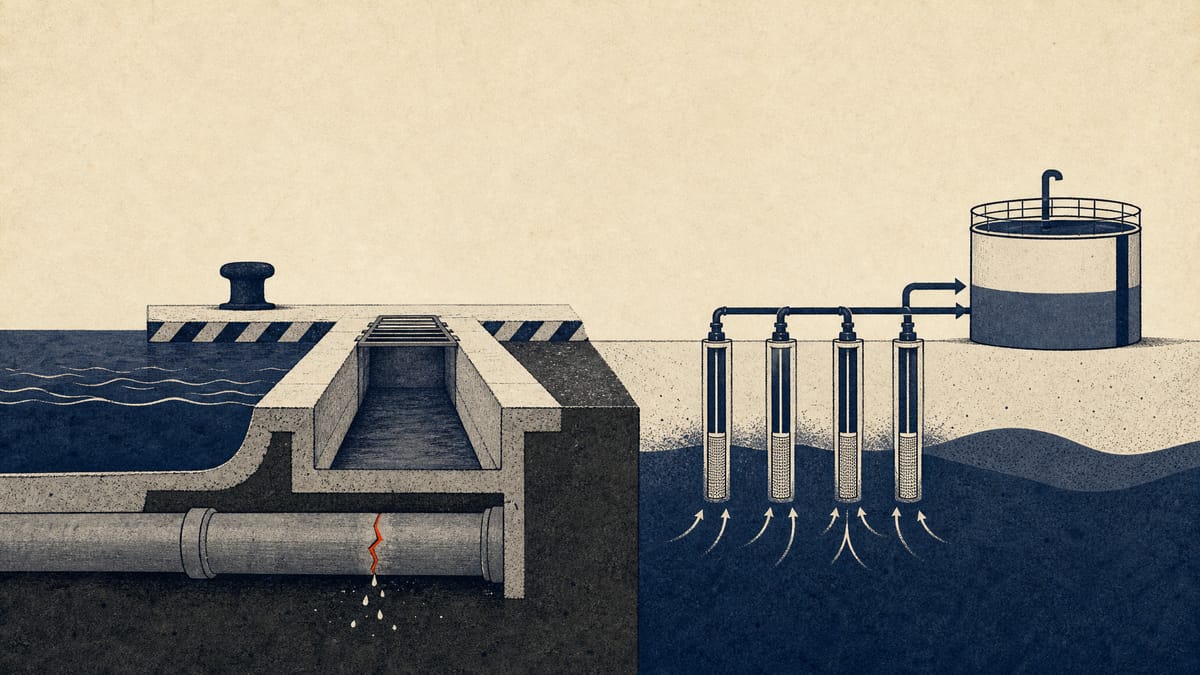
Hokko says inspections of drainage routes found two problems: degraded concrete inside the trench leading to the drainage pit at Synthesis Plant No. 6, and a damaged drainage channel plus a cracked buried pipe running to the drainage pit at Synthesis Plant No. 7. Gas testing also points to those locations as possible sources. The company stops short of calling the case closed. It says it will keep identifying the cause, including the possibility of other sources, using gas tests and soil boring surveys still to come.
Operations and water readings
The company halted both synthesis plants straight away and pumped out the waste liquid in their drainage pits. It has also pumped groundwater near the leak site, sealed the outlet on the quay and says it is checking for fresh discharge.
Wastewater sampled near the quay between July 16 and 27 contained benzene at 1.5 to 4.6mg/L, against a Water Pollution Control Act effluent standard of 0.1mg/L cited in the report. Toluene ran at 23.7 to 37.3mg/L and xylene at 12.1 to 22.4mg/L; the report notes the act sets no standard for either. Okayama Prefecture sampled seawater on July 17 at two offshore points and one near the Yoshiura coast, and told the company the results met environmental standards.
Production at the Okayama plant's factories continues after inspection and recurrence-prevention work, the company says. The report gives no date for restarting Synthesis Plants No. 6 and No. 7.
Remediation plan
Hokko plans to repair and redesign the suspected leak points, re-inspect every drainage system at the site and restructure buried piping, including putting it in trenches. For groundwater, it is leaning toward installing barrier pumping wells, which the report describes as a containment measure under Japan's Soil Contamination Countermeasures Act: several wells draw groundwater up and send it to a treatment facility. The final method will follow boring surveys that map soil and groundwater contamination, flow direction and volume. The company currently plans to complete the countermeasure construction by around March 2027.
The report does not quantify the effect on consolidated earnings. Hokko says it will announce any impact as soon as it is known.