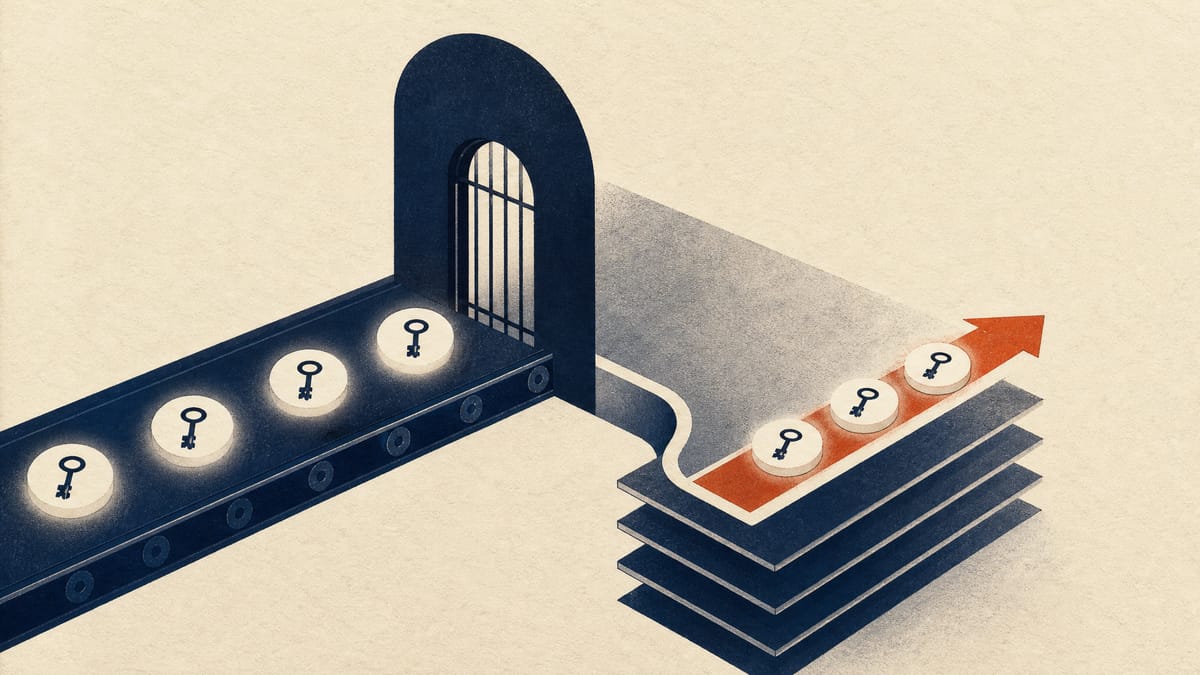
Cybertrust Japan stopped issuing SSL/TLS server certificates on September 15, 2026, and decided on November 2 to restart the service under a new scheme. The company's half-year securities report says the episode may affect its results and financial position, and that the effect could appear in the short term.
What the company says happened
The company sells server certificates through a root certificate authority run by Secom Trust Systems, under a public CA signing service contract. It describes that as a stopgap until its own root CA is widely accepted. After the suspension it worked with Secom Trust Systems on approval of a new intermediate CA. Following discussions with Secom Trust Systems on 30 October about their future server certificate business, it decided on 2 November to resume issuance under a new scheme. The Earlier Tokyo Brief coverage is linked for navigation.
The report records a decision to resume, not a restart. It does not describe the new scheme, say when issuance begins again, or put a figure on the expected impact.
The half-year results include some effect from the suspension
The results cover April to September 2026, a period that includes the suspension from September 15. Sales rose 13.0% to ¥4.43bn, operating profit rose 28.6% to ¥900mn, and profit attributable to owners of the parent rose 62.7% to ¥610mn.
Server certificate revenue fell in the period, mainly because the industry has shortened certificate validity periods. The company also says the suspension had some effect on that line within the period. Growth came from other products, including its iTrust electronic authentication service and Linux support.
The report gives no cause for the suspension. Strong half-year profit does not show that the disruption will have no financial effect, and the company's own warning points the other way.