Web View
Apollo Buys the Keys to a Glassmaker, and Japan's Deal Season Keeps Rolling
A shell company capitalized at ¥5,000 just took control of a TSE Prime glassmaker, while Itochu folds a listed consultancy into a joint venture and a curry chain admits it's weighing going private.
MARKETS
Market pulse
Tokyo equities advanced while the 10Y JGB yield nudged higher.
Sourced from Nikkei, JPX, BOJ, MOF - values, not commentary.
lead
The Big Story: An Apollo-Advised Fund Takes Control of Nippon Sheet Glass

Apollo-Backed Vehicle Takes 72% Control of Nippon Sheet Glass, Delisting Set for Late September
Nippon Sheet Glass has a new controlling shareholder: Lumina Japan Acquisition, a special-purpose vehicle capitalized at just ¥5,000 and advised by an affiliate of Apollo Global Management. The vehicle completed payment on a ¥165bn third-party share allotment the board approved in March, taking its stake to 3,666,666 voting rights, or 72.04% of the total, Nippon Sheet Glass told Japan's securities regulator on August 31.
What changed: The allotment payment turns a board-approved plan into an actual change of control, putting an entity with roughly ¥5,000 in paid-in capital in charge of a TSE Prime-listed glassmaker.
What to watch: Nippon Sheet Glass has set September 28 as its target date for meeting Tokyo Stock Exchange Prime Market delisting criteria. Separately, the company will carry out a share consolidation effective September 30 to complete the squeeze-out, with minority shareholders who remain cashed out at ¥500 a share starting in late December.
The catch: The company running the show is a shell with a five-figure yen balance sheet; the actual capital sits with Apollo's fund, several steps removed from the filing.
secondary
Deal Season: Bids, Buyouts and a Boardroom No
Itochu Vehicle Offers ¥2,880 a Share to Take Dentsu Soken Private
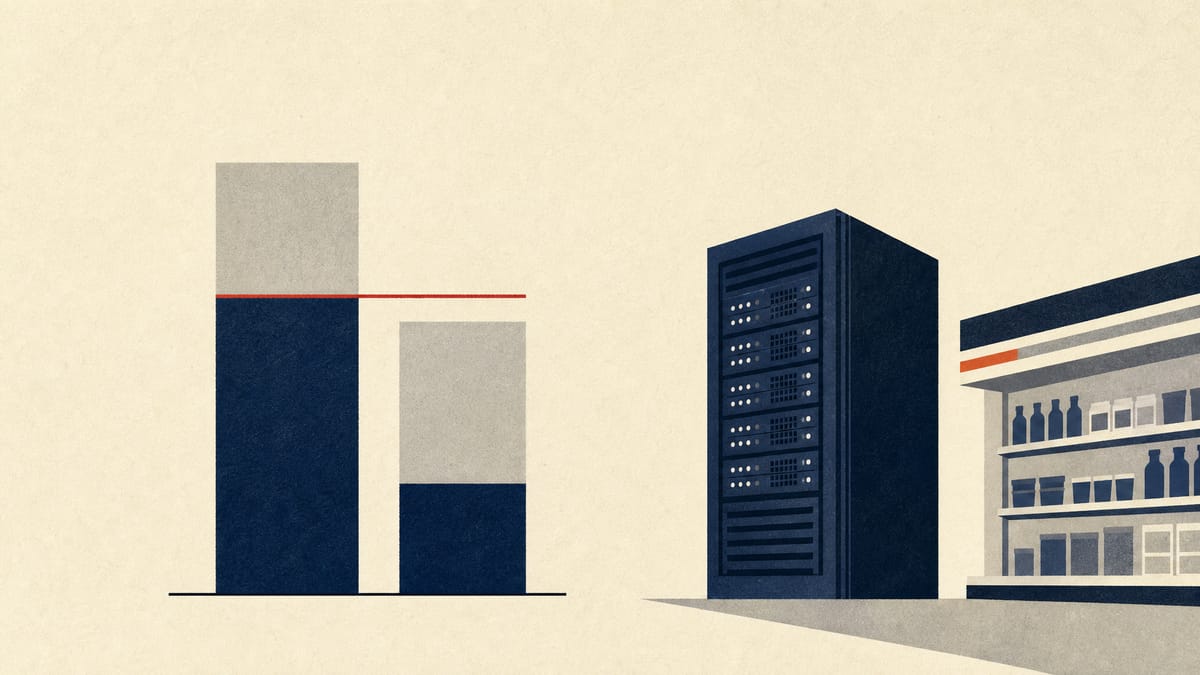
Itochu's investment vehicle, Godo Kaisha VIC, will pay ¥2,880 a share to take Dentsu Soken private, but not all the way: Dentsu Group has signed a non-tender agreement promising not to sell its 61.78% stake (120,779,736 shares) and to vote for a follow-on share consolidation that squeezes out anyone who doesn't tender. The result folds the dentsu Japan consulting and systems-integration unit into a new joint venture between Itochu and Dentsu Group, delisting Dentsu Soken from the Tokyo Stock Exchange in the process.
Why it matters: This is a genuine control transaction at a household-name advertising and IT group, not a routine alliance announcement: minority shareholders get bought out at a fixed price while the controlling parent stays in for the long haul as a joint-venture partner with Itochu.
Ichibanya and House Foods Confirm Going-Private Review, Won't Verify Stake-Sale Report
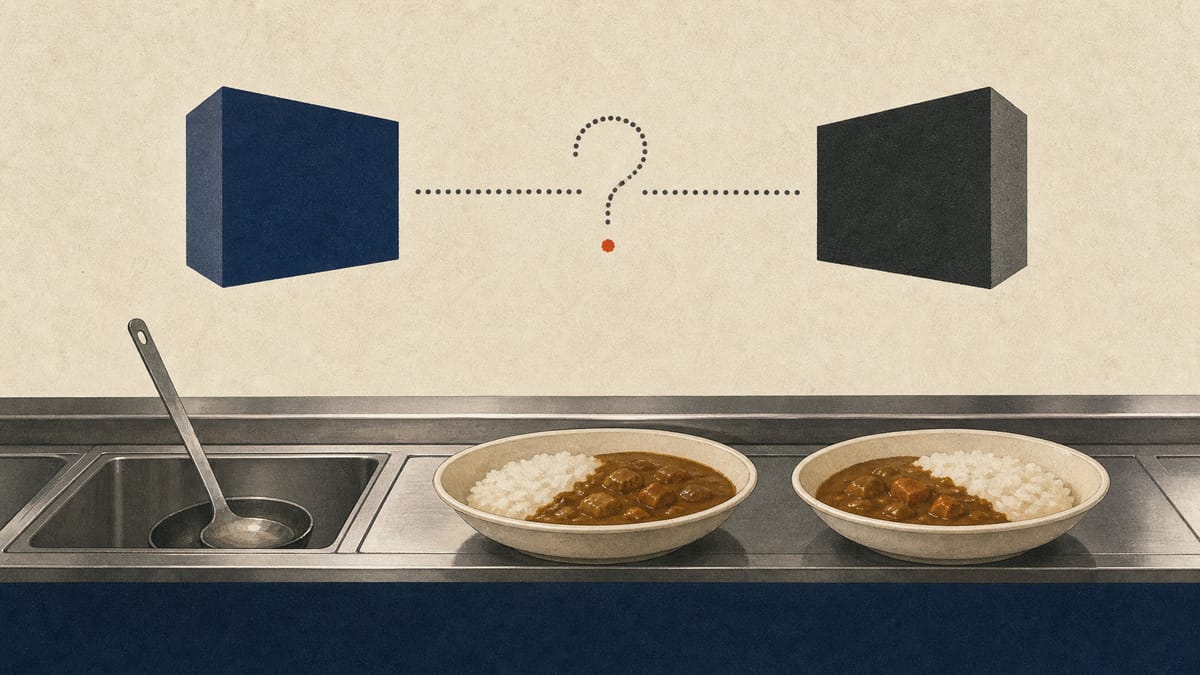
Ichibanya and House Foods Group both filed near-identical notices on August 31 confirming they are reviewing options for the CoCo Ichibanya operator that include taking it private, after Nikkei's digital edition reported that House Foods was selling its stake as part of a buyout. Neither company will verify the Nikkei report itself, and both say no facts have been concretely decided.
Why it matters: The companies have confirmed they are studying a go-private option for a household-name curry chain, even as the specific stake-sale mechanics reported by Nikkei remain unconfirmed.
SBI Caps Its BASE Takeover Bid at 20%, Paying Up After Two Rounds of Pushback
SBI Holdings opened a tender offer on August 31 for up to 23,792,300 BASE shares, a hard cap equal to 20.00% under the deal's own share-count method, paying ¥340 a share after two rounds of price increases prompted by pushback from the e-commerce platform. There is no minimum acceptance threshold, and if more shares are tendered than the cap allows, SBI will buy pro rata rather than let its stake run past 20%.
The move: SBI structured this specifically to create an affiliate-level stake, not a takeover, a distinction that matters for BASE's independence and for shareholders deciding whether to tender.
Twin Bird's Board Rejects Japanet's ¥800-per-Share Tender Offer
Twin Bird's board voted unanimously on August 31 to oppose Japanet Holdings' planned ¥800-a-share tender offer to take the appliance maker fully private, filing a formal notice of opposition via TDnet. The offer had been structured with a condition precedent requiring a favorable opinion from Twin Bird's own board, and Japanet has said it will withdraw entirely if it doesn't get one.
What to watch: Japanet has set October 30 as the deadline for that board opinion; without it, the offer lapses, leaving Japanet to either raise its price or walk away.
secondary
Guidance Swings and a New Software Pact

China's Tungsten Export Freeze Pushes Fuji Die to Cut Sales Forecast, Raise Profit Guidance
Fuji Die, Japan's top maker of tungsten carbide wear-resistant tools and dies, cut its full-year sales forecast by 6.2% to ¥24.4bn while raising its profit outlook, a split it traces to a Chinese export freeze on tungsten now in its tenth month. The freeze has pushed the benchmark tungsten price up roughly tenfold, letting Fuji Die pass costs through to customers even as domestic order volumes fall faster than expected.
The number: A single Chinese export restriction is moving both lines of a Japanese manufacturer's income statement at once, lifting margins on tungsten it can still source while shrinking the market for tools that use it.
Tri Chemical Raises Full-Year Profit Guidance 43% on AI-Driven Chip Demand
Tri Chemical Laboratories raised its full-year profit guidance to ¥6.57bn for the year to January 2027, up from the ¥4.6bn forecast it issued in March, after first-half results ran well ahead of plan. The company points to stronger chipmaker capital spending in China and Taiwan and higher Korean memory output as the drivers.
Read-through: A 43% guidance increase at a specialty chemicals supplier is a direct read on how much of the AI chip investment cycle is actually reaching Japanese suppliers' order books, not just chipmakers' own capex announcements.
Honda and Nissan Sign Contract to Share Core Vehicle Computers and Software
Honda and Nissan signed a binding joint development contract on August 31 to make the core computing hardware and software inside their next-generation vehicles common to both companies, targeting deployment from fiscal 2029. The companies disclosed only a minor financial impact for the year to March 2027 and gave no synergy figure.
Why it matters: Two rival automakers are standardizing the core ECUs and software architecture underneath their vehicles, a deeper form of cooperation than the alliance talk of recent years.
REVOLUTION Sells Its Crowdfunding Unit to a Sitting Director for ¥1mn, Pulls All Earnings Guidance
REVOLUTION unwound its crowdfunding business on August 31, selling the subsidiary that ran it, WeCapital, to one of its own board members for ¥1mn after no outside buyer emerged. The same day, the company withdrew its full-year earnings guidance and its mid-term plan entirely, saying it can no longer say what this year's profit will look like.
Why it matters: The sale and guidance withdrawal land while REVOLUTION carries a Tokyo Stock Exchange special-attention designation, and the company says its internal investigation committee's report had not yet reached it as of the evening of August 31, leaving the probe still open.
quick hits
More to Know
Sony Music Entertainment Lines Up 23.29% Stake in GungHo as SON Financial Exits
Read moreA 120,065-vote block, all of it currently with SON Financial, is due to move to Sony Music Entertainment on December 30, alongside a capital alliance that gives the buyer consent rights over GungHo's future share issuance.
Ransomware Attack Delays COTA's Annual Report, Triggers Internal-Control Warning
Read moreA March ransomware attack knocked out COTA's servers, forcing months of manual accounting work and pushing the haircare maker's annual filing past its ordinary deadline, and the company now says its internal financial controls were not effective as a result.
UT Group Founder Moves His 19.46% Stake Into a Company He Also Controls, Financed by a Loan From Himself
Read moreUT Group's founder is transferring 135.5mn shares to his own asset-management LLC at ¥182 apiece, paid for largely with a ¥24.66bn loan he is making to that LLC, leaving his camp's combined 36.95% stake unchanged.
Kakaku.com's take-private bid gets a one-yen bump to ¥3,571 as Oasis pact lapses
Read moreKakaku.com's private-equity suitor raised its tender price by one yen to ¥3,571 and pushed the deadline to September 10, but a shareholder tender pledge with Oasis expired after the proposer missed its own price-match window, leaving that holder's participation undecided.
Sumitomo Forestry Signs Two-Tranche Hybrid Loan to Refinance Tri Pointe Buyout Debt
Read moreSumitomo Forestry signed a ¥69bn and ¥37.5bn subordinated syndicated loan, maturing in 2062 and 2064, to repay borrowings from its completed Tri Pointe Homes acquisition, with R&I and JCR expected to treat half the raised amount as equity.
FreeBit's Next Earnings Report Will Also Miss Its Deadline as Independent Probe Drags On
Read moreFreeBit still can't say when its next earnings report, its overdue annual results, or its securities filing will land, as a committee's review of the CountUp acquisition continues without a set end date.
Pro-ship's Order Book Swells Ahead of Japan's Lease-Accounting Deadline
Read moreSaaS orders for Pro-ship's lease-compliance software jumped 2,674% in the quarter to June, pushing its backlog to a record ¥6.93bn, but management says the demand disappears once Japan's new lease standard takes effect in April 2027.