Web View
PayPay buys into life insurance
PayPay is buying 70.2% of an insurer while Tea Life cuts profit guidance on tariffs and Middle East disruption. Capital is moving; certainty, as ever, is taking the scenic route.
MARKETS
Market pulse
Tokyo equities softened while the 10Y JGB yield nudged higher.
Sourced from JPX, BOJ, MOF - values, not commentary.
lead
The Main Move

PayPay goes deeper into finance with T&D Financial Life.
PayPay plans to buy 70.2% of T&D Financial Life from T&D Holdings for cash, a move LY Corporation says would make the insurer a specified subsidiary. The structure is not a clean buyout: OneIM Indigo is set to buy 14.9%, T&D plans to keep 14.9%, and closing is scheduled for October 1, 2027, subject to approvals, an IFRS transition plan and other conditions. For PayPay, the logic is plain enough: it wants life insurance alongside cards, banking and securities for its more than 74 million registered users.
secondary
Company Moves
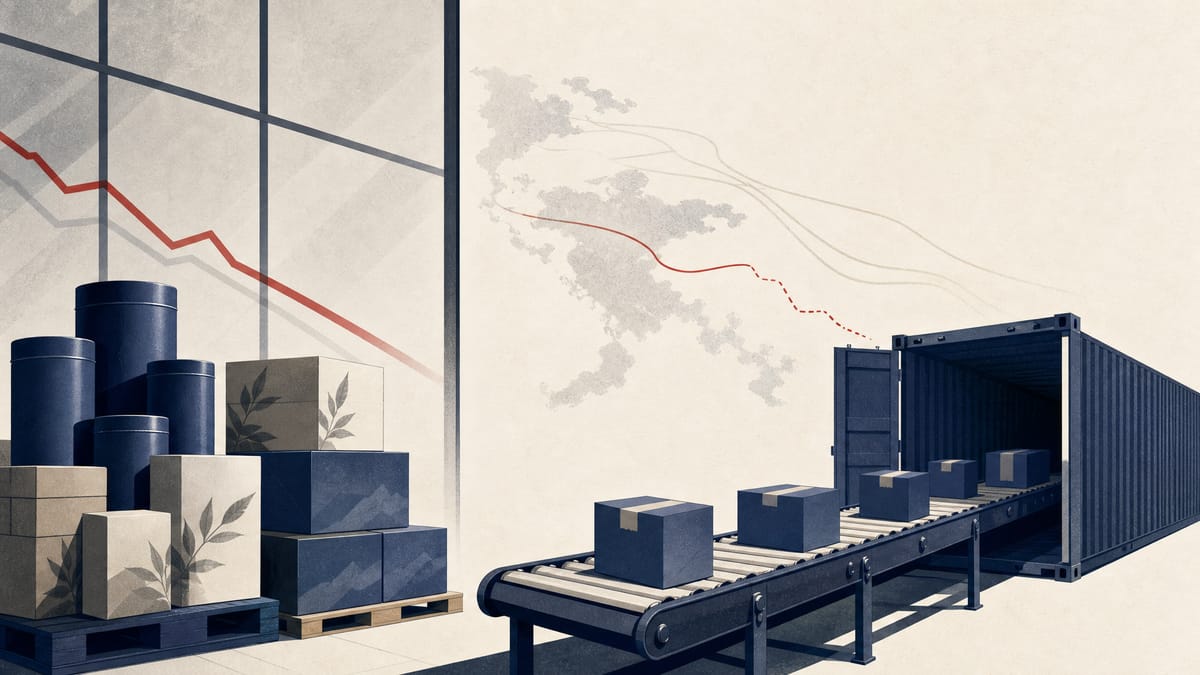
Tea Life cuts its outlook after an overseas wellness impairment.
The company approved a JPY 35 million impairment and now expects JPY 11.105 billion in sales and JPY 258 million in operating profit for the year ending July, down from JPY 11.983 billion and JPY 533 million. Management blamed US tariff policy, a worsening Middle East situation, weaker wellness channels and higher costs, while keeping its JPY 15 year-end dividend forecast unchanged.

Senju Denki lifts guidance on a semiconductor and machine-tool rebound.
The company raised full-year sales guidance to JPY 154 billion from JPY 144 billion and net profit to JPY 8.5 billion from JPY 7.7 billion, saying demand from semiconductor manufacturing equipment and machine-tool customers recovered faster than expected. It also raised the annual dividend plan to JPY 160 a share from JPY 150, though construction and electrical-distribution demand still faces project delays tied to cost inflation and labor shortages.
T&D puts JPY 30 billion behind a new buyback.
The insurer authorized market purchases of up to 12 million shares, or 2.50% of shares outstanding excluding treasury stock, between June 8 and September 30. In a separate T&D Financial Life sale filing, it said about half of the after-tax proceeds are earmarked for future shareholder returns after closing, making this look more like a capital-allocation sequence than a one-off gesture.
GENDA finished its buyback before the window did.
The company says the May authorization is complete after repurchasing 1,869,600 shares for JPY 999,990,100 as of June 3, essentially exhausting the JPY 1 billion cash cap while staying below the 2.5 million-share ceiling. That turns an authorization into executed capital return, even if it says nothing yet about another round.
secondary
Policy and Programs
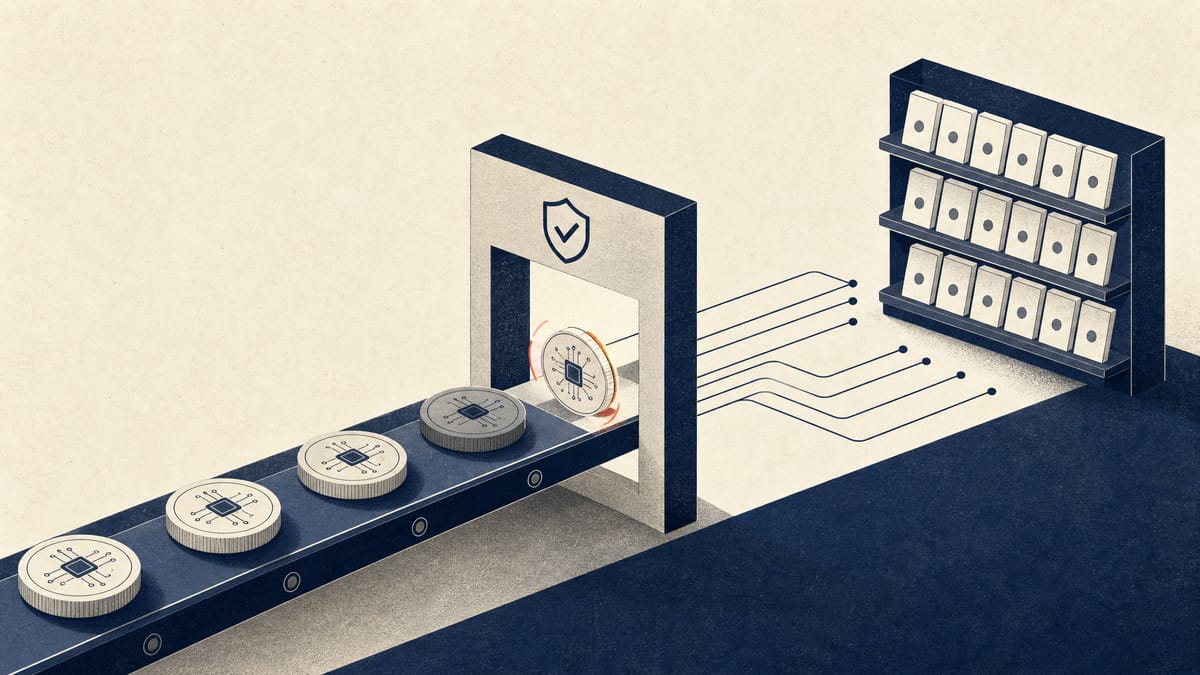
Japan's crypto intermediary rulebook now has a front door.
The FSA has published a page that pulls together the ordinance for electronic payment instruments and crypto-asset service intermediation with a registry showing 27 registered crypto-asset exchange service providers as of April 30. Useful compliance plumbing, in other words, though the English page is machine translated and the roster is only a dated snapshot.
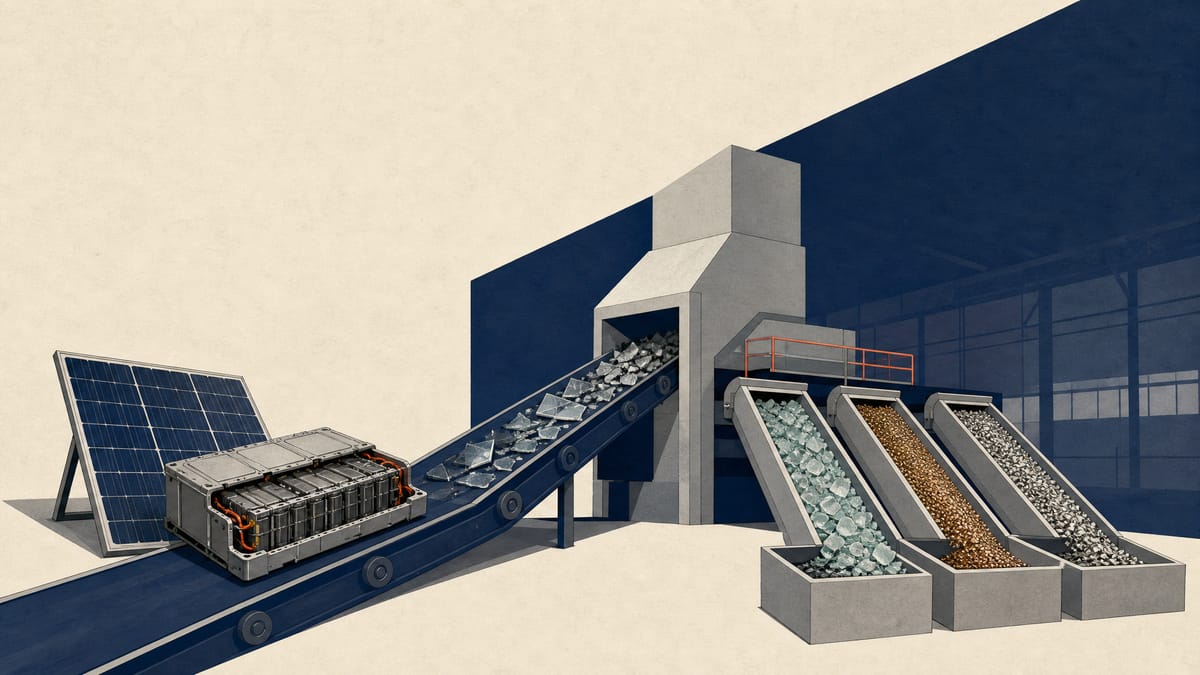
Japan wants more clean-tech materials to stay in circulation.
A new nationwide subsidy call backs demonstration projects for low-CO2 recycling and recycled-material quality in solar panels, vehicle batteries, glass and metal-bearing electronics, with applications open from June 2 to July 1 and a maximum subsidy amount of JPY 278.2 million. The policy aim is industrial as much as environmental: better recovery and better-quality recycled inputs, not just more waste collection.
quick hits
Quick Hits
Japan's pitch to global financiers: spend for growth, keep market faith.
Read moreFinance Minister and Financial Services Minister Satsuki Katayama told the Tokyo IMC that Japan will pursue responsible and proactive public finances while steadily lowering the debt-to-GDP ratio. She also flagged a new financial-services strategy, though the published remarks do not yet say what is in it or when it lands.
Morgan Stanley MUFG disclosed 5.94% in Musashi Precision.
Read moreThe joint filing shows 3,897,781 shares across three Morgan Stanley entities, with the position described as related to securities business. That makes it a useful visibility marker, not automatically a clean long-only conviction call.
Evo Fund's ANAP ratio slipped again.
Read moreA June 4 change report shows ANAP's holding ratio at 0.5495 as of May 28, down from 0.5600, enough to trigger another filing. The same report still lists 48,065,000 share subscription rights, which is why the ordinary-share line does not tell the whole exposure story.
Up to JPY 30 million is on offer for industrial-safety demos.
Read moreJapan's first application round backs projects using IoT, big-data tools, AI and drones, with applications open from June 4 to June 24 and projects running through February 26, 2027. For vendors and operators alike, the state is paying to see which tools work on live infrastructure rather than in slide decks.
Japan opened a big retrofit subsidy for business buildings.
Read moreThe nationwide program targets offices, commercial facilities and similar properties, and the summary says the business sector accounted for about 20% of Japan's CO2 emissions in 2023. The portal shows a ceiling of up to JPY 1 billion, but subsidy rates and eligible costs sit in the full guidelines, which is classic grant-program fine print.
METI put supply-chain logic into a Global South grant.
Read moreApplications are open through June 30 for large demonstration projects in non-ASEAN markets, with subsidies capped at JPY 4 billion and rates of up to one-half, or up to two-thirds for SMEs. The ministry says the scheme should help Japanese firms find new markets, respond to US tariff pressure and reduce dependence on specific countries.
Japan opened a second round for overseas energy-transition projects.
Read moreThe grant targets technology transfer, surveys and research tied to decarbonizing fossil-fuel infrastructure or supporting hydrogen, ammonia and biofuel markets in resource-rich countries. Applications run through June 22, with a maximum subsidy amount of JPY 1.2 billion and support rates of fixed amount, two-thirds or one-half.
Shizuoka is tying wage growth to earning power.
Read moreA prefectural subsidy open through June 30 offers up to JPY 10,000,000 for SMEs investing in new technology, services, DX and other revenue-building projects. The design is the interesting bit: it tries to make pay rises stick by underwriting productivity and competitiveness first.