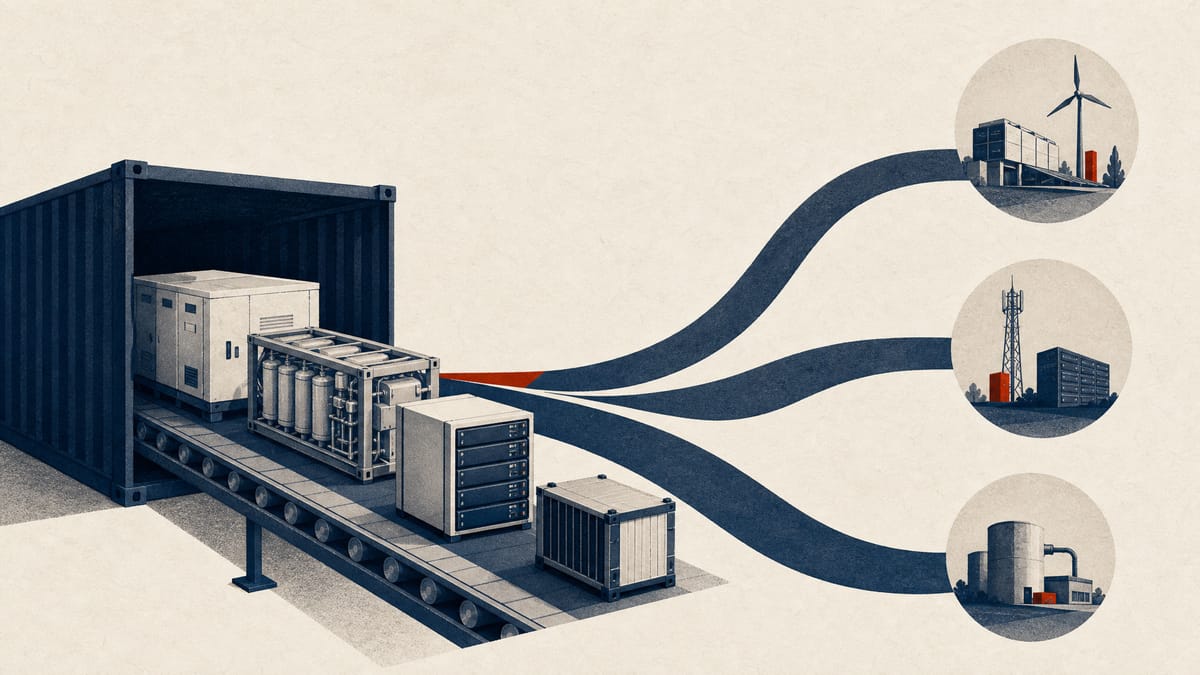
Japan’s Ministry of Economy, Trade and Industry is inviting applications for large-scale demonstration projects in non-ASEAN Global South markets, with subsidies capped at ¥4 billion. The application window runs from June 1 to June 30, subsidy rates are up to one-half, or up to two-thirds for small and medium-sized enterprises, and the published deadline for project completion is February 28, 2030. The portal also says multiple applications are allowed and there is no employee-count cap.
The programme targets Global South countries outside ASEAN, including examples such as southwest Asia, Central Asia and the Caucasus, the Middle East, Africa, Latin America and Pacific island states. METI says those markets face problems including industrial vulnerability, health, disaster prevention and food security, and it wants projects that tackle such issues in digital and green transformation fields.
The industrial-policy logic is unusually explicit. METI says the point is not only to solve local bottlenecks, but also to use those markets’ growth potential to support Japanese industry, help firms affected by US tariffs find new markets, and reduce dependence on specific countries as part of economic security and supply-chain strengthening.
That frames overseas demonstrations as market-entry and supply-chain policy, not just development cooperation. What the notice does not settle in the packet is how borderline country cases or project designs will be judged, and the ministry says applicants unsure about country eligibility should consult the secretariat. It is also a call for applications, not a list of funded winners.