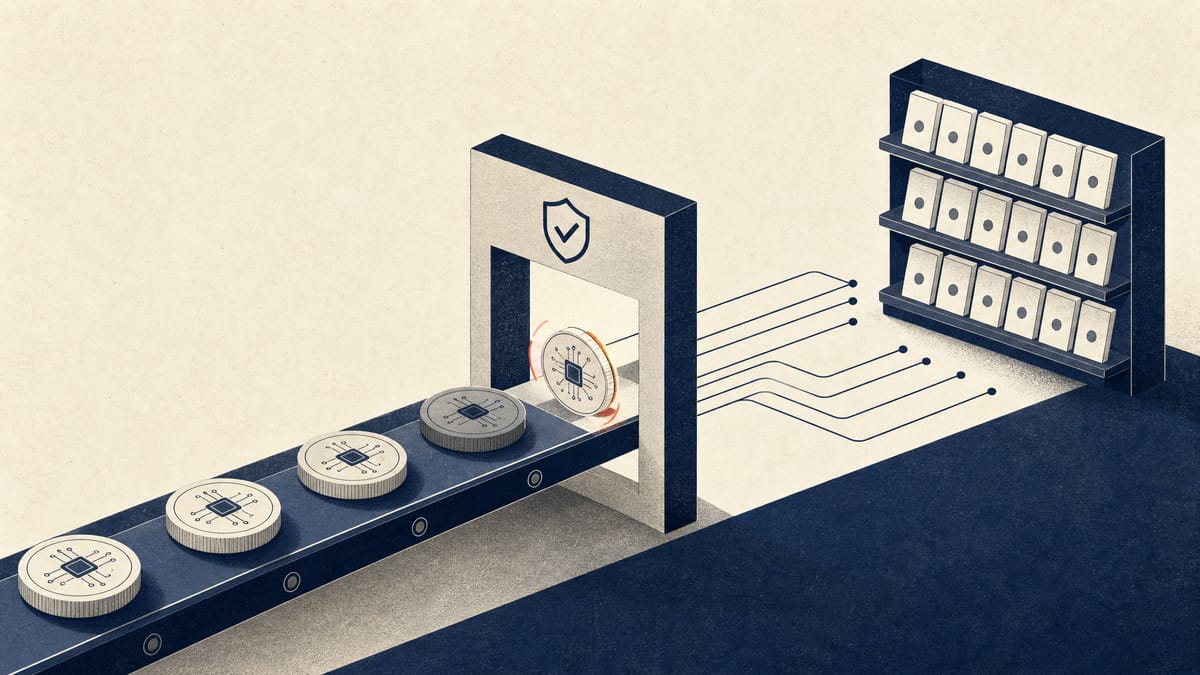
Japan's digital-asset rulebook has gained a front door. The Financial Services Agency has set up a dedicated page for businesses dealing in electronic payment instruments and crypto-asset service intermediation, and the page pulls together two things firms usually have to hunt down separately: the relevant Cabinet Office Ordinance and the public list of registered crypto-asset exchange service providers.
That matters less as a headline-grabbing policy shift than as compliance plumbing. The ordinance linked from the page is structured in four chapters, covering general provisions, business, supervision and miscellaneous matters, and the excerpt in the packet shows Article 1 defining terms that include electronic payment instruments, crypto assets, exchange services, intermediary acts, foreign service providers and designated dispute-resolution bodies. In other words, the page is pointing users to the legal perimeter and supervisory scaffolding around this corner of digital finance. What the excerpt here does not provide is a full account of conduct rules, application mechanics or effective dates, so readers should not mistake the hub for a complete compliance memo.
The linked registry gives a useful reality check on market size. The list is dated April 30, 2026 and shows 27 registered crypto-asset exchange service providers in total. The source snippet also shows 25 of those under the Kanto Local Finance Bureau, with entries carrying registration numbers, registration dates, head-office details, phone numbers and the crypto assets handled by individual firms. For firms screening potential counterparties, that turns the page from a regulatory notice into a working directory. Japan's regulated roster is not empty, but it is still small enough to read without needing a pot of coffee.
There are two caveats. First, the FSA page says its translated version is machine generated and not necessarily correct. Second, the provider count is explicitly a dated snapshot, which means the list can change after publication. The new hub is therefore most useful as a signpost: it tells operators where the rulebook sits and who is currently on the register, but the underlying Japanese materials still do the real legal work.