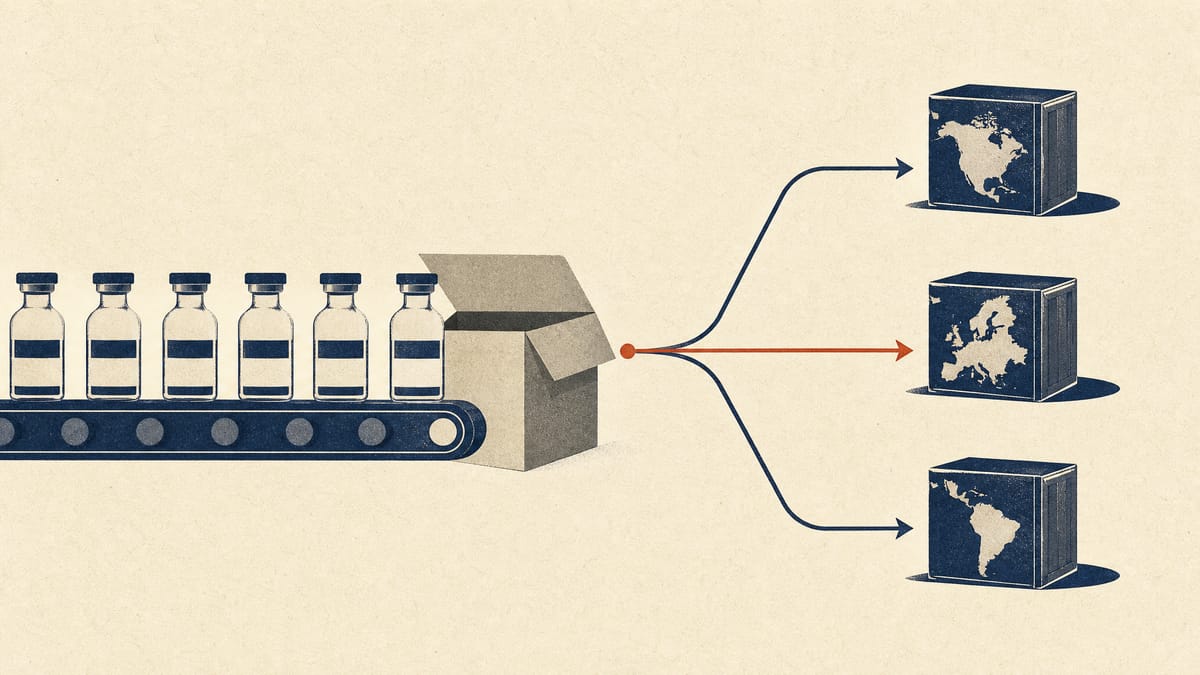
JCR Pharmaceuticals (TSE: 4552) said on 2 October 2026 that it signed an exclusive license with Italfarmaco S.p.A. covering development and commercialisation of JR-141, its Hunter syndrome therapy, in the US, Europe and Latin America.
Who does what
JR-141 (pabinafusp alfa) uses JCR's J-Brain Cargo technology, which is designed to carry the enzyme across the blood-brain barrier. It has been approved and on sale in Japan since 2021. The drug is in a global Phase 3 trial, and the two companies are aiming for approval from the US Food and Drug Administration, the European Medicines Agency, Britain's MHRA and Brazil's ANVISA.
Once approvals arrive, Italfarmaco will handle sales and distribution in the licensed territories. JCR will keep manufacturing JR-141.
What JCR gets
JCR will receive an upfront payment from Italfarmaco. It also has the right to milestone payments, royalties and payment for product supply. The release gives no amounts for any of these. It says the upfront payment is already included in JCR's consolidated forecast for the current fiscal year, which ends in March 2027.
A second deal between the pair
The companies said the license builds on an exclusive license signed in December 2025 for commercialisation of givinostat, a Duchenne muscular dystrophy treatment, in Japan, alongside a strategic partnership agreement on rare-disease treatments. JCR's president called Italfarmaco an ideal global sales partner.
JCR estimates 2,000 to 3,000 Hunter syndrome patients worldwide, a figure the release attributes to the company's own research. Japanese approval does not carry over to the new territories, and the release names no timetable for the Phase 3 results or regulatory filings.