What opened
Japan has reopened applications for a plastics-circularity subsidy, and the notable part is how specific the technology brief is. This round is aimed at projects that either replace fossil-derived resources with low-CO2 bioplastics made from renewable resources, or build lower-CO2 recycling processes for plastics and other materials that are hard to recycle. The stated goal is to move resource-circulation systems into practical use and curb energy-derived CO2 emissions.
Where the money is meant to go
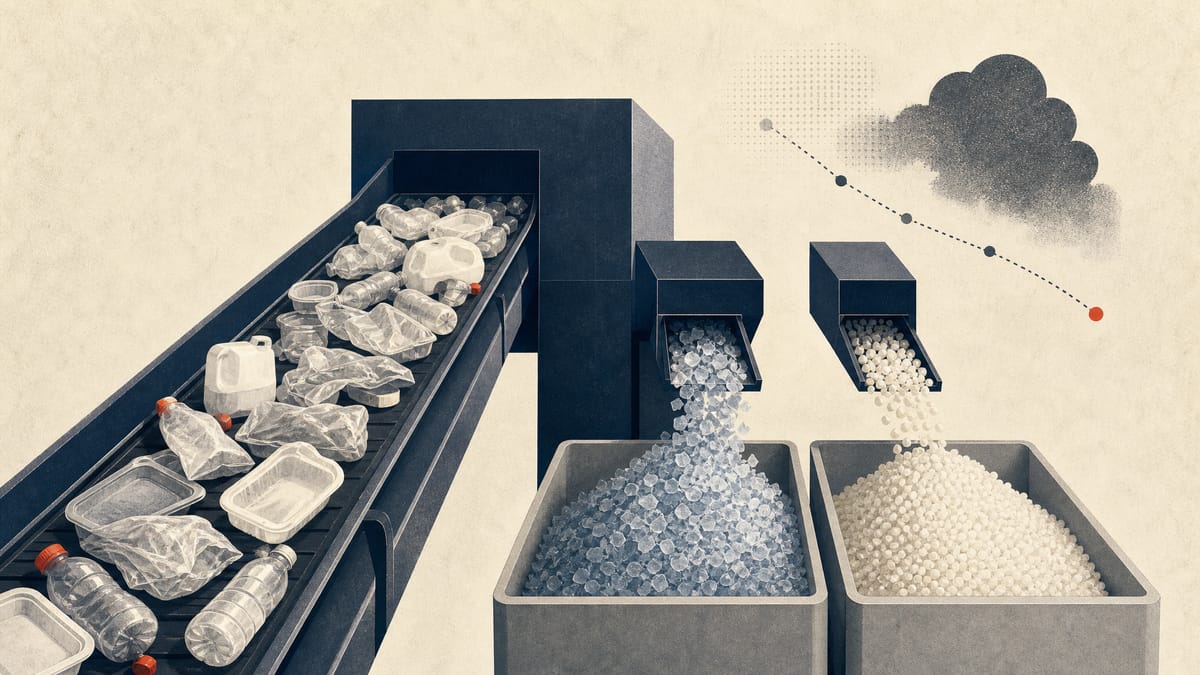
That gives the scheme two clear lanes. One is material substitution, getting bioplastics into real-world deployment as a fossil-resource alternative. The other is process buildout, especially for recycling routes that are technically awkward enough to have been left on the wrong side of the sorting line. The program is framed as a demonstration project, but the purpose text leans heavily toward social implementation rather than theory alone.
Terms that matter
The public notice says applications are being accepted from June 30 through July 27, the scheme is open nationwide, multiple applications are allowed, and there is no stated employee-count restriction. Projects must be completed by March 10, 2027. Support is limited to up to one-half or one-third of eligible costs, but the portal excerpt does not explain which applications qualify for which rate, instead directing applicants to the solicitation guidelines.
| Feature | Detail |
|---|---|
| Application window | June 30 to July 27, 2026 |
| Project end deadline | March 10, 2027 |
| Support rate | Up to 1/2 or 1/3 of eligible costs, see guidelines |
| Core project tracks | Low-CO2 bioplastics as fossil substitutes; lower-CO2 recycling processes for hard-to-recycle plastics and other materials |
| Geographic scope | Nationwide |
| Applicant constraints | No employee-count limit stated; multiple applications allowed |
What remains unclear
The notice is clear on policy direction, bioplastics in one hand, hard-to-recycle process engineering in the other, but thin on the finer points that matter for budgeting and bid strategy. The public excerpt does not spell out an award ceiling, selection criteria, or the category split behind the one-half versus one-third reimbursement rate. For companies weighing a bid, the message is straightforward enough: this is targeted money for deployable low-CO2 circular systems, not a general recycling catch-all, and the detailed rules still sit in the full application materials.