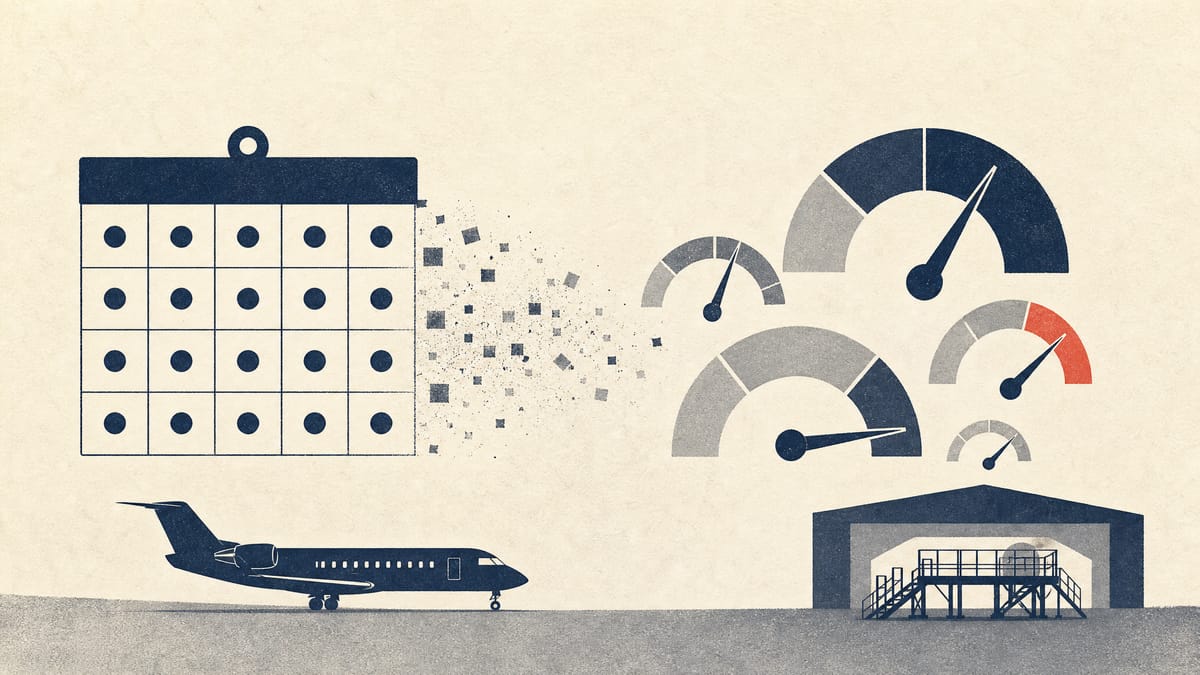
The Civil Aviation Bureau of Japan's transport ministry proposes to scrap the standard frequencies at which it audits airlines and instead set audit frequency, method and focus for each carrier from its safety risk profile. The draft revision of the basic policy on safety audits of air transport operators and a new policy on planning scheduled audits are open for public comment from October 15 to November 13, 2026.
What goes
The current basic policy sets benchmark frequencies for scheduled audits: four a year for a head office, two a year for main and core bases, one every four years for regional bases and one every two years for training facilities. The draft deletes those figures and leaves the planning method to a separate policy.
The ministry ties the change to the risk-based surveillance approach in the aviation safety programme (2026 transport ministry Notice No. 512).
What replaces it
The new planning policy covers specified Japanese air transport operators. The bureau would group each carrier into a sector, based on the scale and scope of its operations, the complexity of its work and the characteristics of its aircraft. It would then score each carrier on an 11-item safety risk profile.
The items include financial health, years in operation, turnover of accountable executives and safety managers, the competence of both, past audit results, how promptly earlier findings were resolved, relative activity level, the maturity of hazard-identification processes and national safety-data indicators. The score, its trend and its comparison with the sector average feed into the audit plan.
Each plan would state the carrier, frequency and timing, type of oversight (including unannounced on-site inspections, online audits and document review), and the functions and facilities covered. The bureau may ask carriers for the data needed for the profile; what is requested and when would be set separately.
Follow-up duties
The draft also changes what happens after an inspection. The bureau could issue an "item for consideration" notice where it finds no breach of a safety standard but thinks the operator should consider improvements. Where an inspection finds a non-conformity that is not fixed immediately, the operator would have to submit a corrective action plan within a set period. Officials would assess the plan, ask for amendments if needed, check implementation by document review or re-audit, and track the matter until it is complete. The current text says only that officials ask for improvement each time.
The draft adds provisions on electronic storage of audit results and corrective-action records, and on protecting safety data and information.
Timing and caveats
The policies are proposals. Both are scheduled to apply from November 26, 2026, and the draft says audits for the 2026 fiscal year will still follow the previous arrangements. The draft deletes the fixed frequencies but does not say how many audits any carrier would face under the new plans. It also keeps the power of the head of the responsible division to bring forward audits or raise their frequency for operators judged to need it.