Hitachi told the Kanto Local Finance Bureau on August 19 that it will post an extraordinary gain of ¥179.9bn in the non-consolidated income statement for the fiscal year running to March 2027, the company's 158th business year. The gain comes from selling down its stake in Hitachi Construction Machinery: one block went on May 15, 2026, and a second is scheduled to close on August 21, 2026.
The stated reason is not portfolio opportunism. Hitachi says the sales continue its policy of shrinking cross-shareholdings, the practice of Japanese companies holding each other's stock for relationship rather than investment reasons.
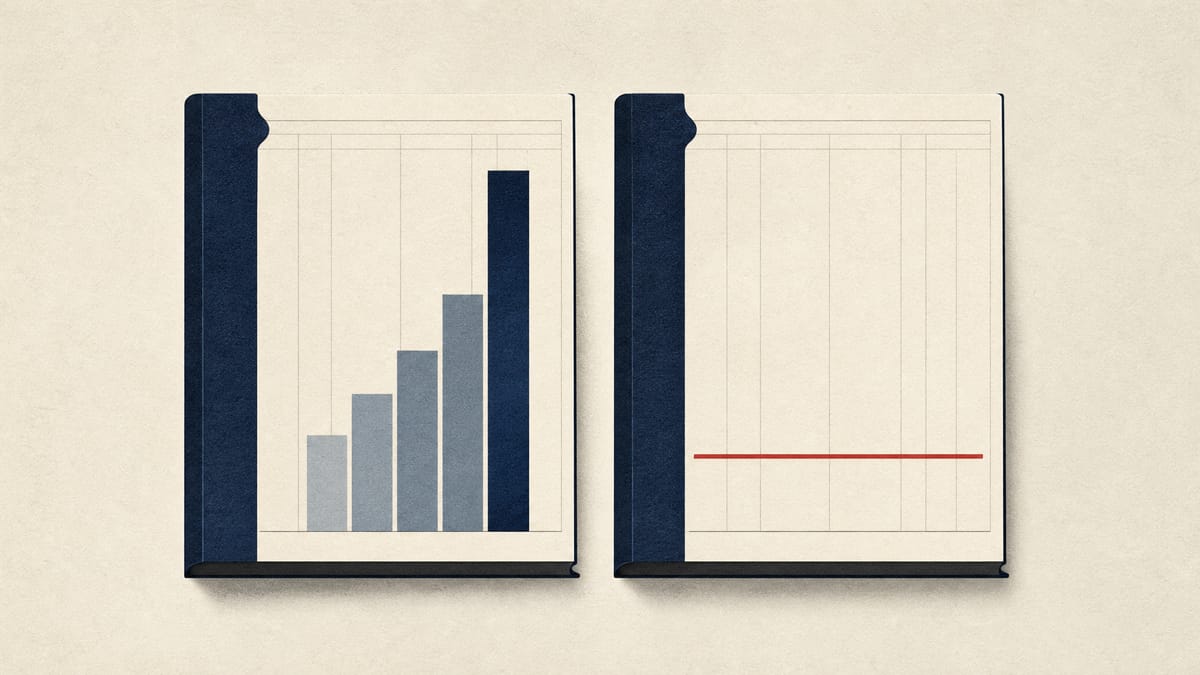
The catch for anyone modeling group profit: none of this ¥179.9bn shows up where consolidated earnings get reported. Hitachi's group financial statements follow IFRS, and the shares were classified as financial assets measured at fair value through other comprehensive income. Under that treatment, a sale does not generate a gain on the consolidated income statement, so the filing states plainly that there is no effect on the consolidated earnings outlook for the year to March 2027. The ¥179.9bn is real money moving through Hitachi's parent-company books, but it is invisible in the number investors actually watch.
The filing arrived as a formal extraordinary report under the Financial Instruments and Exchange Act, triggered because the disclosure rules treat a swing of this size in a company's financial position as material enough to require immediate notice. The same day, Hitachi also filed an amended shelf registration statement updating its ¥300bn corporate bond program, folding the new extraordinary report in as a reference document. That amendment is pure paperwork, a formality to keep the bond shelf's disclosure trail current, and does not change the bond program's size or terms.