BlackRock Japan decided on October 8 to amend the trust deeds of a long list of iShares ETFs so that redemption proceeds can be paid sooner when Japan Securities Clearing Corporation (JSCC) clears the redemption. The company said the shorter delivery period applies to "some" of the ETFs, and only when the JSCC clearing system is used.
What the new wording says
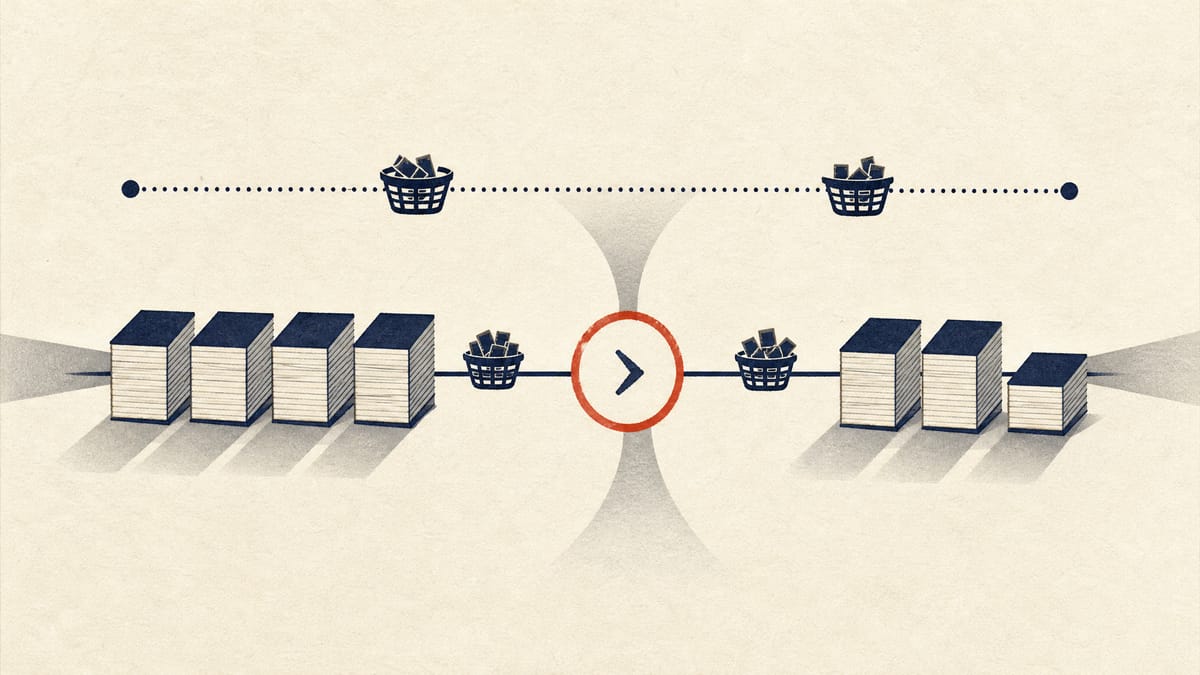
The old deeds paid redemption proceeds, in principle, from the fourth business day counted from the day the fund accepted the holder's request. The new wording sets the start date as the second, third or fourth business day, decided according to whether the clearing house's debt-transfer system applies. The deed text does not say which funds will land on which day, and the notice does not say which of the listed funds will see a shorter period.
The notice is explicit about scope. The change concerns how redemptions are settled and when payment starts. It does not change how the ETFs are bought and sold through the Tokyo Stock Exchange.
A different rule for the India fund
The iShares Nifty 50 India ETF (code 201A) carries an extra condition. If the management company judges it necessary given the fund's investments and trading targets, payment starts instead on a day it sets between the fourth and sixth business day. The old wording for this fund already allowed the fourth to sixth business day at the management company's discretion.
Three effective dates
The amendments take effect in three waves. The first covers bond ETFs, the second mostly equity, REIT and gold funds, and the third a mix that includes the Yen Appreciation Focus ETF and the silver and platinum funds.
| Effective date | Funds covered |
|---|---|
| October 10, 2026 | Bond ETFs: US Treasury, US-dollar investment-grade and high-yield corporate bond, US aggregate bond, US-dollar emerging-market bond, Ginnie Mae MBS, French and German government bond funds |
| November 7, 2026 | Mainly equity and related funds: S&P 500 (hedged and unhedged), MSCI world ex-Japan and emerging markets, US REIT, US high-dividend and dividend-growth, automation and robotics, Nifty 50 India, S&P 500 Top 20, S&P 500 ex-financials (hedged), gold |
| November 10, 2026 | Euro investment-grade corporate bond (hedged), 20+ Year US Treasury Premium Income, Yen Appreciation Focus, NASDAQ Top 30, AI Global Innovation Active, S&P 500 Premium Income, silver, platinum |
What stays in place
The deeds keep the existing mechanism for clearing-house cases. When a designated participant applies for the clearing house to take on the obligation to deliver the book-entry beneficiary rights to the management company, and the clearing house does so, the trustee pays the full amount into an account the management company designates, regardless of the ordinary payout procedure.
The deeds also keep the right to postpone redemption payments. Trading suspensions (including halts in individual stocks), suspensions of foreign-exchange dealing or settlement functions, and other unavoidable circumstances such as market closures or extreme liquidity drops in an investment country can delay the sale of assets or receipt of proceeds.