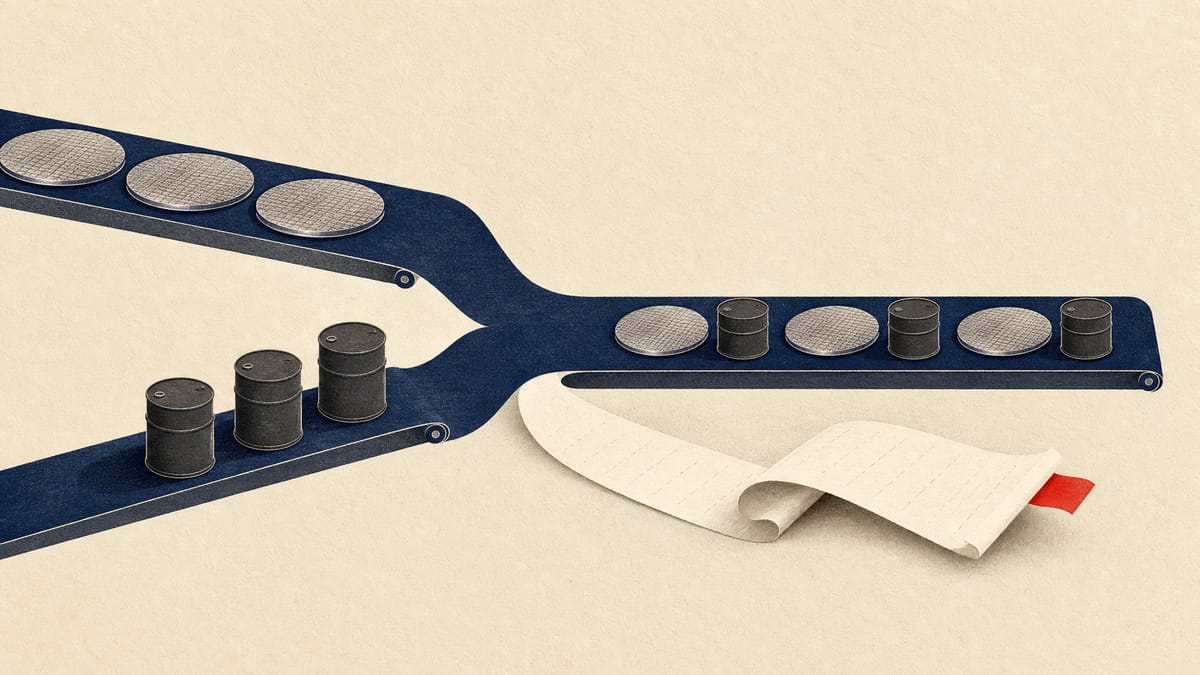
Ajinomoto's board resolved on November 26 to absorb its wholly owned subsidiary that makes functional chemicals and electronic materials, with a planned effective date of April 1, 2027. The company had set out the basic policy on August 6.
No consideration, no shareholder vote
Ajinomoto is the surviving company and the subsidiary will cease to exist. Because Ajinomoto already owns the subsidiary outright, no shares or cash will be issued. The merger is a simplified merger on Ajinomoto's side and a short-form merger on the subsidiary's side, so neither needs shareholder approval of the merger agreement.
Ajinomoto gives the aim as raising the people and organisational strength of its fast-growing functional materials business, which includes electronic materials, to speed its growth. After the merger it takes over the subsidiary's operations, with no change to its own name, address, president, capital or fiscal year-end.
The tax line
Ajinomoto says it reviewed how much deferred tax it can recover, based on its estimate of future taxable income after the integration. As a result it has recognised about ¥7.5bn of deferred tax assets in the second-quarter consolidated period of the year ending March 2027, cutting income tax by the same amount. This is a tax-accounting adjustment tied to the merger plan. The merger itself is a decision, not a completed event.
The company says it will examine other effects of the merger on consolidated results for that year and will announce anything further that must be disclosed.
What is being absorbed
For the year to March 2026, the subsidiary reported standalone sales of ¥98.4bn, operating profit of ¥53.0bn and net profit of ¥37.6bn under Japanese accounting standards. Its net assets were ¥55.2bn. Ajinomoto's net assets and total assets after the merger are not yet fixed.