IYOTETSU Group Co.,Ltd., the Matsuyama-based transport operator, has pushed its stake in Shikoku Electric Power Company past the 11% mark, and it borrowed heavily to get there. A change report filed with the Shikoku Local Finance Bureau on September 4, 2026 shows the holding rose from 10.17% to 11.24% of Shikoku Electric's 207,528,202 outstanding shares, equal to 23,331,782 shares as of the September 2 reporting-obligation date.
The filing lists near-daily purchases from mid-July through early September 2026, shifting increasingly to off-market trades as prices climbed from ¥1,613 a share on July 27 to ¥2,059 by September 2. IYOTETSU states its purpose is pure investment, with no important proposal actions disclosed.
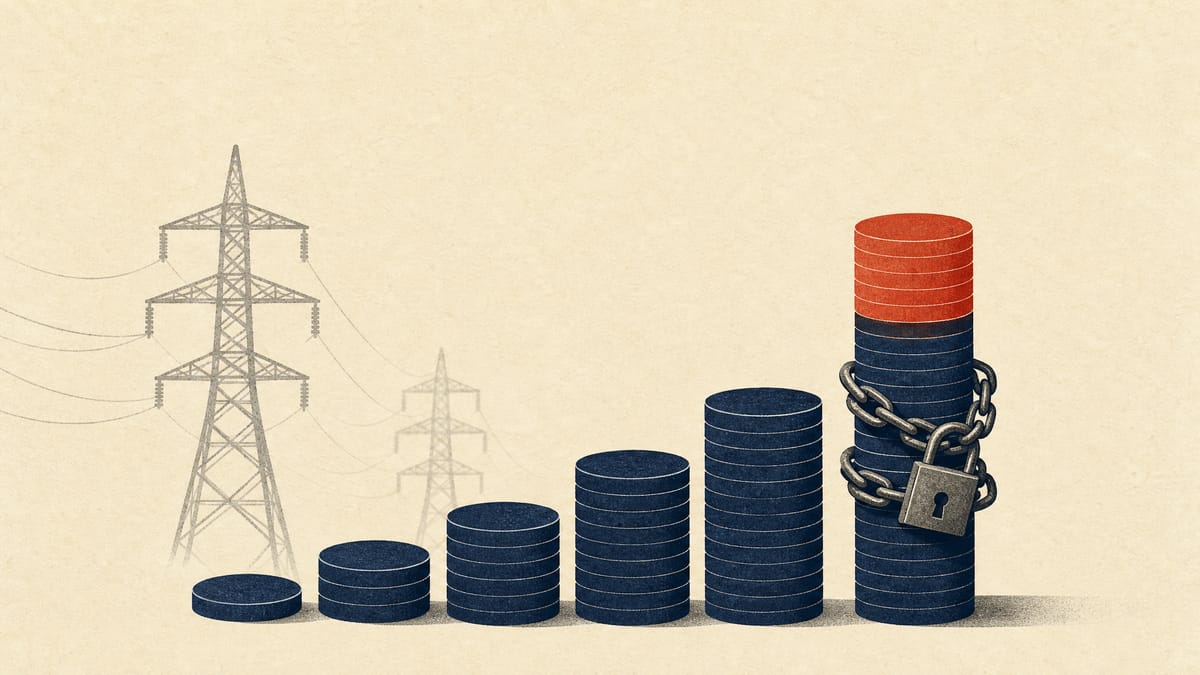
Borrowed money, pledged shares
Of the ¥32,119,970 thousand (about ¥32.12bn) total acquisition funding, ¥23,764,977 thousand (about ¥23.76bn) came from IYOTETSU's own funds and ¥8,354,992 thousand (about ¥8.35bn) was borrowed. The lenders are Aozora Bank's Kansai branch and Nomura Trust and Banking. IYOTETSU pledged 5,000,000 shares to Aozora Bank as collateral under an overdraft agreement struck on November 21, 2025, and pledged a further 5,264,600 shares to Nomura Trust and Banking effective February 24, 2026 under a separate overdraft facility; the filing does not state when that Nomura agreement itself was signed.
| Lender | Amount borrowed | Shares pledged | Pledge effective |
|---|---|---|---|
| Aozora Bank (Kansai Branch) | ¥5.0bn | 5,000,000 shares | November 21, 2025 |
| Nomura Trust and Banking (Head Office) | ¥3.35bn | 5,264,600 shares | February 24, 2026 |
Together the pledged shares, 10,264,600 in total, cover a large share of the 23.33 million shares IYOTETSU now reports holding in Shikoku Electric. That is a meaningful amount of collateral sitting against bank credit lines rather than free equity.
What the filing does not say
The report is a mechanical disclosure triggered by crossing a one-percentage-point reporting threshold under Japan's large shareholding rules, not a strategy statement. It does not explain why a land-transport group is building a double-digit position in a regional utility, whether it intends to keep buying, or what happens if Shikoku Electric's share price falls far enough to strain the collateral arrangements.
