Web View
GNI's Ayumi buyout comes with dilution
A pharma buyout arrives with stock, debt and dilution, while Tokyo's policy pitch still lacks the fine print. The numbers are busy; the caveats, busier.
MARKETS
Market pulse
Tokyo equities softened while the 10Y JGB yield nudged higher.
Sourced from JPX, BOJ, MOF - values, not commentary.
lead
The Main Move
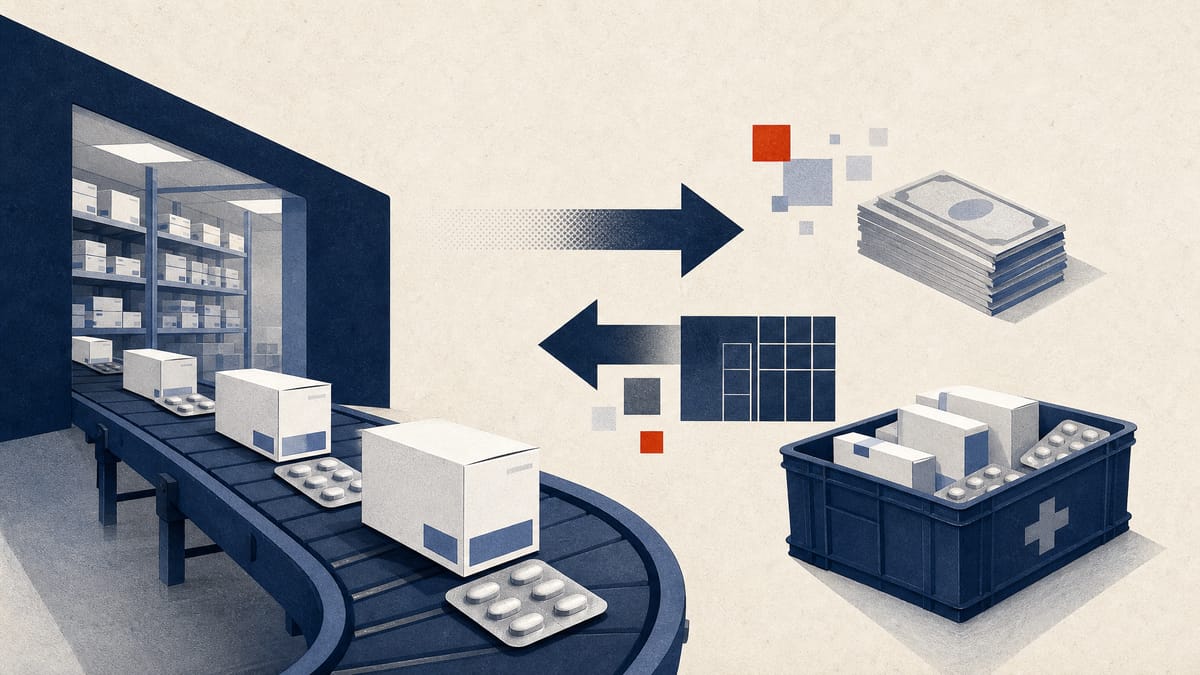
GNI uses cash, stock and debt in Ayumi buyout
GNI plans to buy all of Ayumi Pharmaceutical Holdings for ¥44.776 billion and make it a wholly owned unit, arguing the deal adds a steadier Japanese earnings base plus an established sales network in rheumatology, orthopedics and fever-and-pain drugs. Ayumi reported revenue of ¥38.543 billion and operating profit of ¥6.206 billion in the year to March 2026, giving GNI a domestic commercial platform rather than just another pipeline promise. The financing is the real tell. GNI will pay ¥18.005 billion in cash and settle ¥26.771 billion through a contribution in kind, issuing 9,974,291 new shares to the sellers, while also lining up ¥20 billion of borrowing from Mizuho Bank and SBI Shinsei Bank. Management says the deal should close between June 30 and September 30, but existing holders face 17.89% share dilution and BCP is expected to emerge as the largest shareholder.
secondary
Deals, Resets and Operating Reads
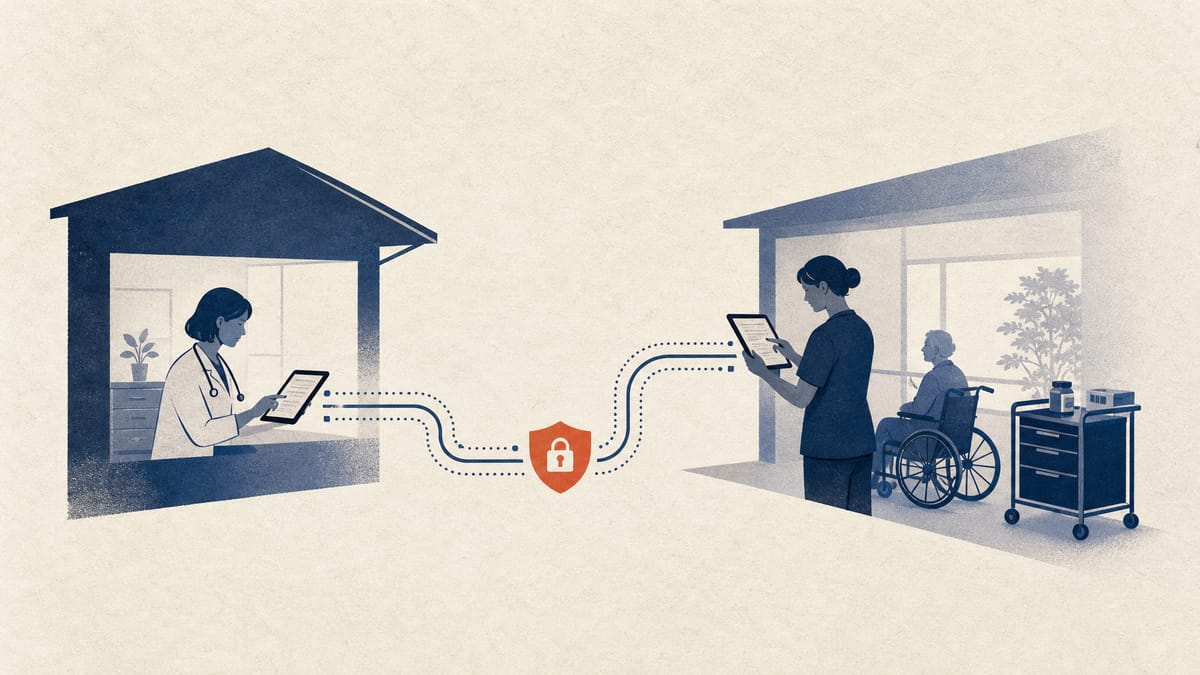
M3 uses Wiseman to push deeper into care software
M3 plans to acquire 242 Wiseman shares, or 100% of the company, with execution slated for July 1 and funding from cash on hand. The strategic logic is installed base: Wiseman sells care and welfare systems to operators, medical facilities and local governments, while M3 says the target adds dense coverage in elder-care workflows it can pair with AI features, cross-selling and links between care software and cloud medical records. The price is undisclosed, so the rationale is clear but the valuation remains politely offstage.
Dip wins a stake, a board seat and some say at Geniee
Geniee plans to dispose of 902,820 treasury shares to Dip at ¥972 each, raising about ¥877.5 million and giving Dip an expected 6.78% voting-rights stake. The proceeds are earmarked mainly for system development, engineer hiring and AI-related product work, and Dip also gets the right to nominate one director plus consent rights over selected major actions tied to the alliance. If approved and completed, founder Tomoaki Kudo's holding falls from 52.67% to 49.10%, so this is less a passive placement than a partnership with governance hooks.
Saxa calls the coming year a reset, not a recovery
Saxa has finally put numbers on its restructuring year, guiding for ¥47.5 billion in sales, ¥1.0 billion in operating profit and ¥16.5 billion in net profit for the year ending March 2027 after leaving the outlook undecided in May. The flattering net-profit line is heavily helped by real-estate sale gains, while the operating bridge still shows pressure from materials, labour and restructuring costs. Management is pairing the reset with executive pay cuts, a new dividend policy from the following year based on the higher of 4% DOE or a 100% adjusted payout ratio, and a Yonezawa factory plan that includes an asset sale and new plant construction.
Torikizoku traffic keeps profit ahead of sales
Eternal Hospitality said nine-month revenue rose to ¥38.318 billion and operating profit to ¥2.367 billion, with customer numbers and spending both higher at existing domestic company-operated Torikizoku stores. Management kept full-year guidance unchanged, but the near-term read is a little cooler: May same-store sales rose just 1.0% and average spend slipped to 99.0% of last year's level after the group lapped an earlier price increase. Consumer demand is still there; the easy comparison is not.
Japan Ski gets the visitors, but not all the margin
Japan Ski Resort Development lifted nine-month sales 8.9% to ¥9.98 billion as inbound visitors hit a record 543,000, up 23.3%, and winter visits across eight ski areas held near last season's record at 1.88 million. Operating profit still fell 4.5% to ¥2.72 billion, while net profit was helped by a land sale at Iwatake, so the company kept its full-year outlook unchanged. Good slopes, less clean operating leverage.
Ship Healthcare puts numbers behind its return talk
Ship Healthcare authorized a buyback of up to 3.3 million shares, or 3.6% of shares outstanding excluding treasury stock, with a total spending cap of ¥5 billion. The window runs from June 8 to December 31 and management tied the move to shareholder returns and capital efficiency in its medium-term plan. It is an authorization, not a completed purchase, but at least this version of capital discipline comes with dates and limits.
Bitcoin Japan asks shareholders for a wider governance reset
Bitcoin Japan wants shareholders on June 29 to keep CEO Phillip Lord in place, add Masato Mori and three outside directors, and approve a revamped long-term incentive package built around revised RSUs, new PSUs and paid stock options. The package comes with multi-year transfer restrictions, malus and clawback terms, and stepped share-price hurdles, while the company also wants more flexibility to expand into new business lines and set up a Singapore subsidiary for AI infrastructure investments. Shareholders are being asked to approve a framework first and the finer points later.
Dualtap shifts deeper into senior housing services
Dualtap plans a company split on Aug. 1 that moves the business at The Residence Shirokane Suite into Dualtap Community for ¥220 million, subject to shareholder approval on June 15. The target combines building management with care-related and daily-life support services for mainly older residents, and the company says it brings recurring revenue plus operating know-how in senior housing. For the year ended November 2025, the business generated ¥309.0 million in revenue and ¥57.9 million in operating profit, which makes this more concrete than the average strategy memo.
quick hits
Quick Hits
Tokyo's policy pitch to global finance:
Read moreFinance and Financial Services Minister Satsuki Katayama told the IMC Tokyo audience that nominal GDP has topped ¥600 trillion and wages have risen more than 5% for three straight years, while promising responsible public finances and a broader financial-services strategy. The useful caveat: the speech supplied the narrative, not the operating manual.
A fourth round for hydrogen, ammonia and biofuels:
Read moreMETI reopened applications for support aimed at technology transfer, research and studies tied to cleaner fossil-fuel infrastructure and lower-carbon fuel pathways in resource-rich countries. The round runs through June 22 and is framed as market creation plus supply security, not climate policy in isolation.
Essential-services subsidies go after business models, not just holes:
Read moreJapan's new call covers transport, logistics, wholesale and retail, fuel stations, auto maintenance, medical care and nursing care, with applications open from June 4 to June 25. The point is to fund demonstration projects that can improve profitability enough to be copied nationwide.
Data-center support comes with a green-and-resilient label:
Read moreA new Environment Ministry-backed program invites applications until July 3 for projects that link data-center buildout to zero-emission and resilience goals. Useful read-through for cloud, power and infrastructure suppliers: Japan wants cleaner compute, not just more racks.
Nomura's Oita Bank filing is more plumbing than manifesto:
Read moreThe disclosure still shows a combined 5.25% stake, but it also says one joint holder is dropping out and lists stock-lending, borrowing and collateral arrangements. Threshold ownership can look tidy in the headline and messy in the footnotes.
Yokohama Rubber's 5.63% filing comes with borrowed stock:
Read moreA joint report from Sumitomo Mitsui DS Asset Management and SMBC Nikko Securities disclosed 9,373,347 shares, or 5.63%, based on May 29 holdings. The same filing also describes substantial borrowed and lent shares, so this is not a plain-vanilla long-only line.
Goldman's Olympic Group stake is a snapshot, not a sermon:
Read moreGoldman disclosed 1,276,864 Olympic Group shares, or 5.47%, based on May 29 holdings. The filing says the purpose is trading and securities borrowing and lists lent, borrowed and collateralised shares, which is a useful reminder that not every 5% line is activism warming up.