Tokyo Century Corporation confirmed on September 18, 2026 that investors had paid in the full ¥12bn for three series of non-voting class shares issued through a third-party allotment resolved at an August 3 board meeting. Norinchukin Bank bought all 8,000,000 shares of the first series for ¥2.0bn, and Itochu Corporation bought 20,000,000 shares each of the second and third series for ¥5.0bn apiece, all priced at ¥250 a share.
| Series | Allottee | Shares issued | Proceeds | Earliest cash-call date |
|---|---|---|---|---|
| Series 1 | Norinchukin Bank | 8,000,000 | ¥2.0bn | September 2031 |
| Series 2 | Itochu Corporation | 20,000,000 | ¥5.0bn | December 2031 |
| Series 3 | Itochu Corporation | 20,000,000 | ¥5.0bn | March 2032 |
The shares carry no vote at shareholder meetings and pay a fixed preferred dividend ahead of ordinary shareholders. Tokyo Century can redeem each series for cash, not common stock, starting five years after payment for the first series (September 2031), five years and three months for the second (December 2031), and five years and six months for the third (March 2032). It can also call the shares early if Japan Credit Rating Agency changes its equity-credit evaluation criteria after the first series was issued and, applying that revised standard, tells the company in writing or announces publicly that it now treats the shares as carrying less equity credit than assumed at issuance, provided that condition persists and the board has separately set an acquisition date. Holders cannot sell, pledge, or otherwise transfer their shares without board approval, and Tokyo Century needs each holder's written consent before exercising any cash call.
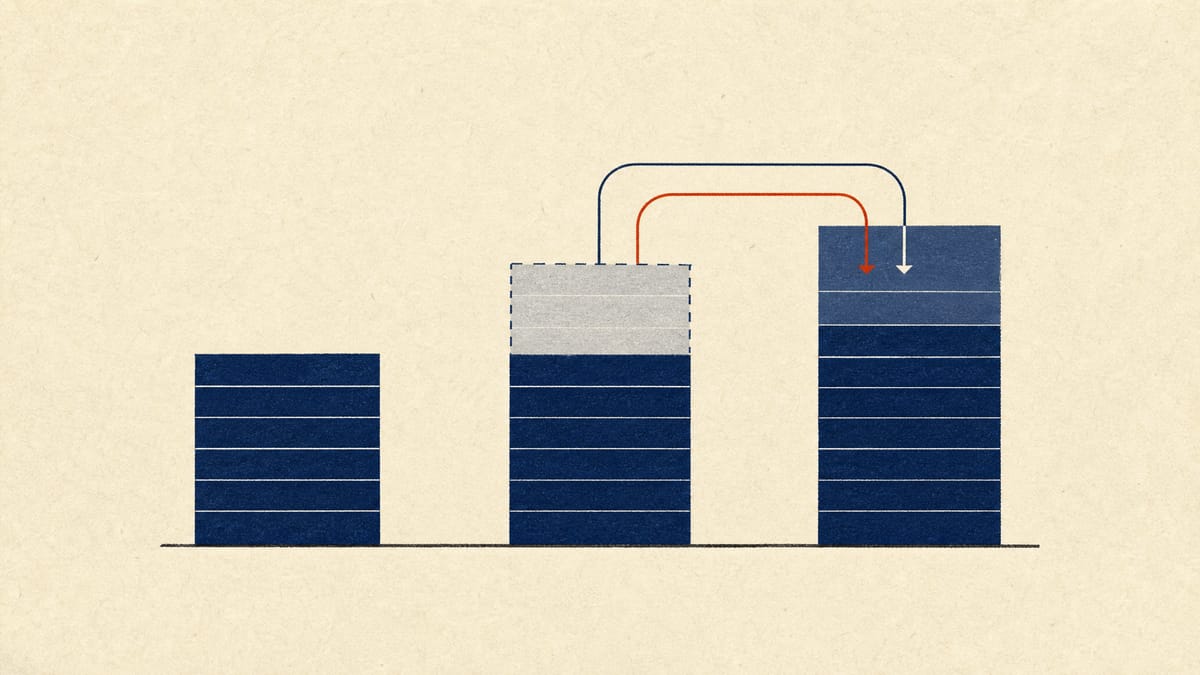
On the same day, the company reduced its stated capital by ¥6bn and its capital reserve by ¥6bn under Companies Act Articles 447 and 448, transferring the full ¥12bn into other capital surplus. Because the new shares had already added ¥6bn to each of those two accounts, the reduction leaves both back where they started: capital at ¥81,129mn, its pre-issuance level, and capital reserve at ¥56,648mn. The ¥12bn in fresh cash from Itochu and Norinchukin now sits in other capital surplus, a more flexible reserve category, rather than in the formal capital accounts the issuance briefly inflated.