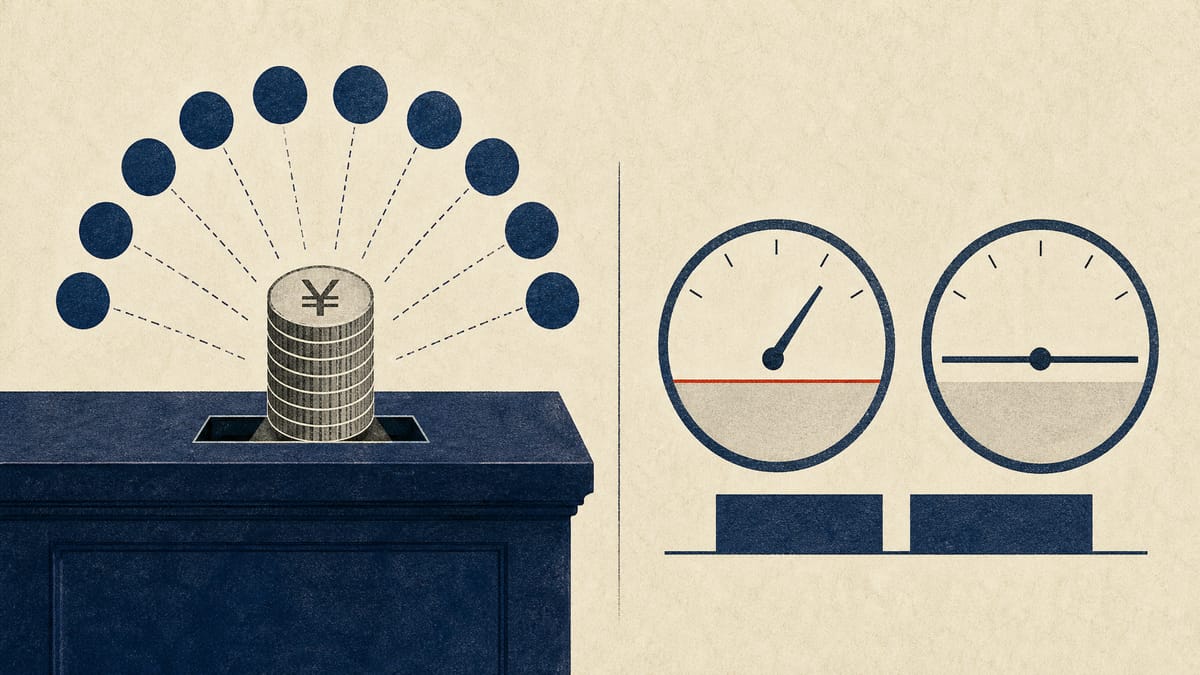
SBI ARUHI Corporation signed an unsecured ¥7bn loan on 26 November 2026 that binds it to two financial tests: a floor under consolidated equity and a limit on consecutive operating losses. The company disclosed the terms in an extraordinary report filed with the Kanto Local Finance Bureau on 27 November.
The loan
The lenders are Mizuho Bank and nine other companies, with Mizuho as arranger. The principal is ¥7bn, repayable on 30 November 2029, and the loan is unsecured. The report does not give an interest rate or say whether any of the money has been drawn.
The two tests
The first test is a capital floor. From the year to March 2027 onward, SBI ARUHI must keep total equity on its consolidated statement of financial position at 75% or more of the figure at the end of March 2026. The test applies at each fiscal year-end and at the end of each second quarter. The baseline is a fixed March 2026 equity amount, not a capital adequacy ratio. The report does not state that amount.
The second test limits operating results. Starting with the year to March 2027 as the first of the measured years, consolidated operating profit or loss (operating revenue less operating expenses) must not be a loss in two consecutive fiscal years. A single loss year would not breach the test as written.
Why the filing exists
The company filed the report under Article 24-5, paragraph 4 of the Financial Instruments and Exchange Act and the cabinet office disclosure ordinance, Article 19, paragraph 2, item 12-4, which covers loan agreements carrying financial covenants.
A separate amended shelf registration for its corporate bond programme, also filed on 27 November, adds the new report as a reference document. The programme has an issuance ceiling of ¥25bn and is valid until 25 October 2027.