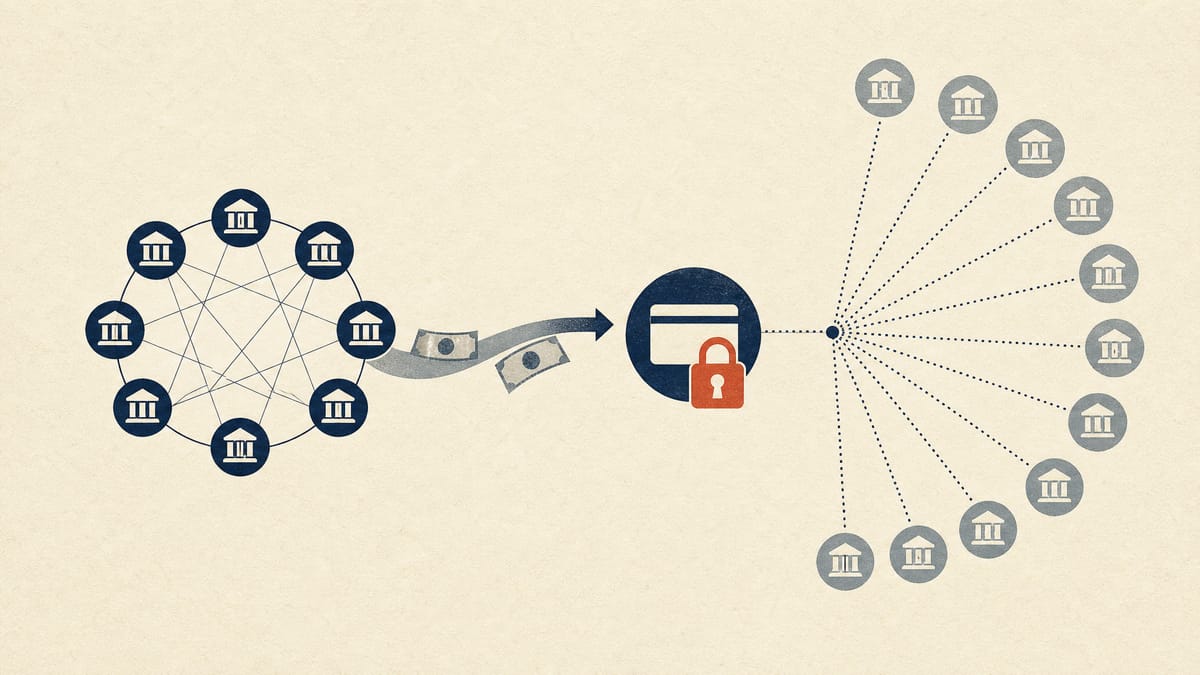
Japan's National Police Agency has signed 11 more banks to its public-private framework for tracking, freezing and recovering money lost to special fraud, and the agency aims to widen the framework's operation to them from October 1. The agency announced the agreements on September 30.
Who is in
The framework began operating on June 1 with nine city banks and other lenders. The agency's list shows those nine signed agreements on May 28. The 11 new signatories signed on September 30, which brings the total to 20 banks.
The agency describes the newcomers only by name, not by type, and the release does not say how much of the country's account base they cover. Several of the new names are internet banks.
How it works
Prefectural police forces put their queries to signatory banks online through the National Police Agency, not bank by bank. The signatory banks are expected to reply quickly. Prefectural police also make an early freeze request to the bank that manages the account receiving the stolen money. The stated aims are faster tracing, freezing and recovery of victims' money, and an earlier start to investigations of cash withdrawers and other participants, leading to arrests.
The problem it targets
The agency puts special-fraud losses in 2025 at ¥325.74bn, and says losses in the first half of this year had already reached ¥181.62bn. It calls the situation critical. Transfer-type payments accounted for 56.9% of losses by delivery method, and the agency says deposit accounts remain the main tool for moving stolen money. That is why it wants closer police-bank coordination.
What is not yet known
The release reports no recovery or freezing results from the June 1 start. It gives no figure for the money frozen or returned to victims since then, so the expansion is an announced widening of access, not evidence that losses have fallen. The agency says the signatory banks will publicise the arrangement themselves.