Japan's Ministry of Health, Labour and Welfare wants to keep paying firms hit by the 2024 Noto Peninsula earthquake to lend out staff rather than lay them off, but on tighter terms. A draft ministerial ordinance amending the Employment Insurance Act enforcement regulations would lengthen the eligible secondment period by a year and cut the subsidy rate for newcomers.
What the draft changes
The scheme is the Industrial Employment Stability Subsidy, in its disaster-special talent-securing support course. It was created on 17 December 2024 and helps sending and receiving employers share the wages of workers moved on in-house secondments, where the worker stays employed by the sending firm. It covers employers forced to scale back business for economic reasons tied to the earthquake.
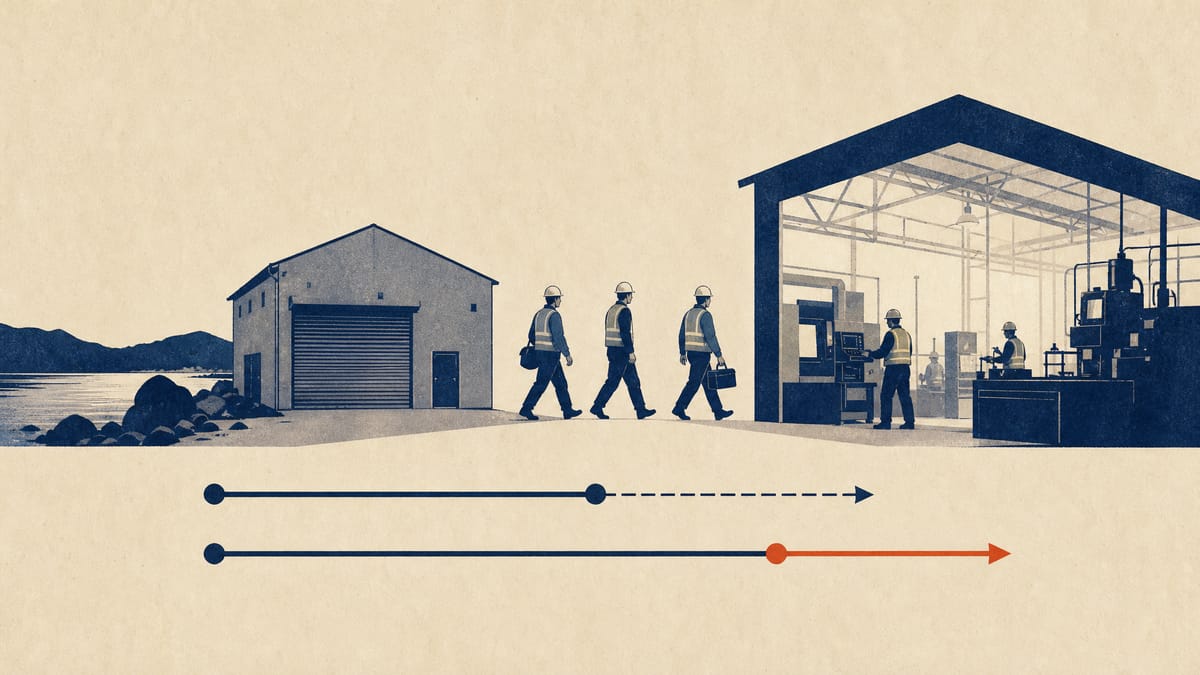
Under the current rules, a secondment qualifies if its contract sets a period between 17 December 2024 and 31 December 2026 and the placement lasts from one month to two years. The ministry cites conditions in the areas covered by the Nanao and Wajima public employment security offices as the reason to extend. It would lengthen the eligible secondment period by one year, to between one month and three years. Where a secondment runs past 31 December 2027, only the period up to that date would be subsidised.
| Feature | Current | Proposed |
|---|---|---|
| Eligible secondment length | One month to two years | One month to three years |
| Subsidy rate, small and medium-sized enterprises | Four-fifths | Two-thirds for first-time filers from 1 January 2027 |
| Subsidy rate, other firms | Two-thirds | One-half for first-time filers from 1 January 2027 |
| Sending employer condition | Not listed in the overview | Plan to resume operations at the establishment |
Stricter terms for newcomers
Two changes cut the other way. Sending employers would have to have a plan for resuming operations at their establishments. Sending employers filing a secondment plan for the first time on or after 1 January 2027 would receive a rate of one-half, or two-thirds for small and medium-sized enterprises.
The current rates are four-fifths for small and medium-sized enterprises and two-thirds for other firms, capped at ¥9,110 per person per day for up to two years. The overview does not say how the new rate would apply to receiving employers, and it does not state a cap for the proposed rates.
Timetable
The ministry opened public comment on 2 November 2026, and submissions close at the end of 1 December 2026. Comments must be in Japanese and can be sent through the e-Gov form, by email or by post to the ministry's labour mobility support office. The ministry plans to promulgate the ordinance in late December 2026, with effect from the day of promulgation. That leaves little time between the end of comments and the 31 December 2026 date on which the current secondment window closes.