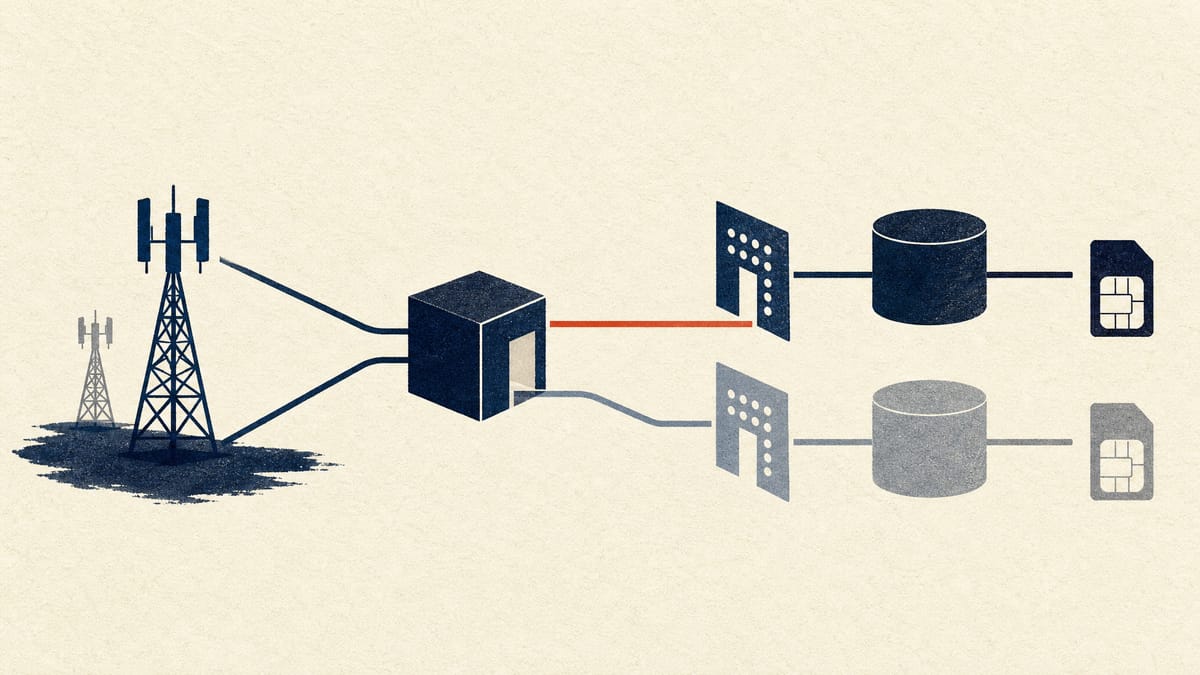
Japan's Ministry of Internal Affairs and Communications has put a revised MVNO guideline out for public comment. The draft would add 5G standalone (SA) core interconnection to the list of functions that mobile network operators (MNOs) are encouraged to open to virtual operators (MVNOs), which rent capacity on an MNO's radio network. The ministry opened the comment period on 28 October, and submissions are due by 26 November 2026; mailed submissions count if postmarked by that date.
What the draft changes
The revision follows the first report of the Information and Communications Council, a ministry advisory body, dated 4 September 2026 on connection policy for a changing network environment. Two changes stand out.
First, the list of functions whose opening is to be promoted gains a "5GC interconnection function", described as the Layer 2 equivalent for 5G SA. The overview also deletes a function that is already provided by other means and for which no further MVNO demand is expected. It does not name that function.
The guideline text says MNOs have already begun offering 5G SA. It calls it desirable for the function to be opened as soon as possible, with at least the freedom and flexibility MVNOs have in current services.
Second, the draft changes how fixed assets are allocated when interconnection charges are calculated. The network asset ratio would include leased assets. The line-count ratio would be based on active lines, averaging opening and closing line counts. The overview ties this to a ministry notice of 31 March 2026.
Two ways to connect
The ministry describes two methods as possible today, and says the function need not be limited to them.
| Item | Roaming method | Proxy method |
|---|---|---|
| SIM | MVNO provides | MNO provides |
| Phone number / IMSI | MVNO provides | MNO provides |
| Voice | MVNO prepares its own IMS equipment | Uses the MNO's IMS (voice wholesale) |
| Stated feature | Follows international roaming standard; MVNO holds UDM for high independence | Uses the MNO's UDM; simpler and cheaper to introduce |
How binding it is
The guideline says it clarifies how the Telecommunications Business Act and the Radio Act apply and is not meant to introduce new regulation. The opening list is framed as functions where connection or wholesale supply is desirable and where talks between carriers should be encouraged, not as a mandate. The charge-allocation change is different in kind, because it sets how designated carriers calculate interconnection fees. The legal basis cited for the revision is Article 34(3) of the Business Act. The ministry says it will revise the guideline promptly after reviewing the comments.