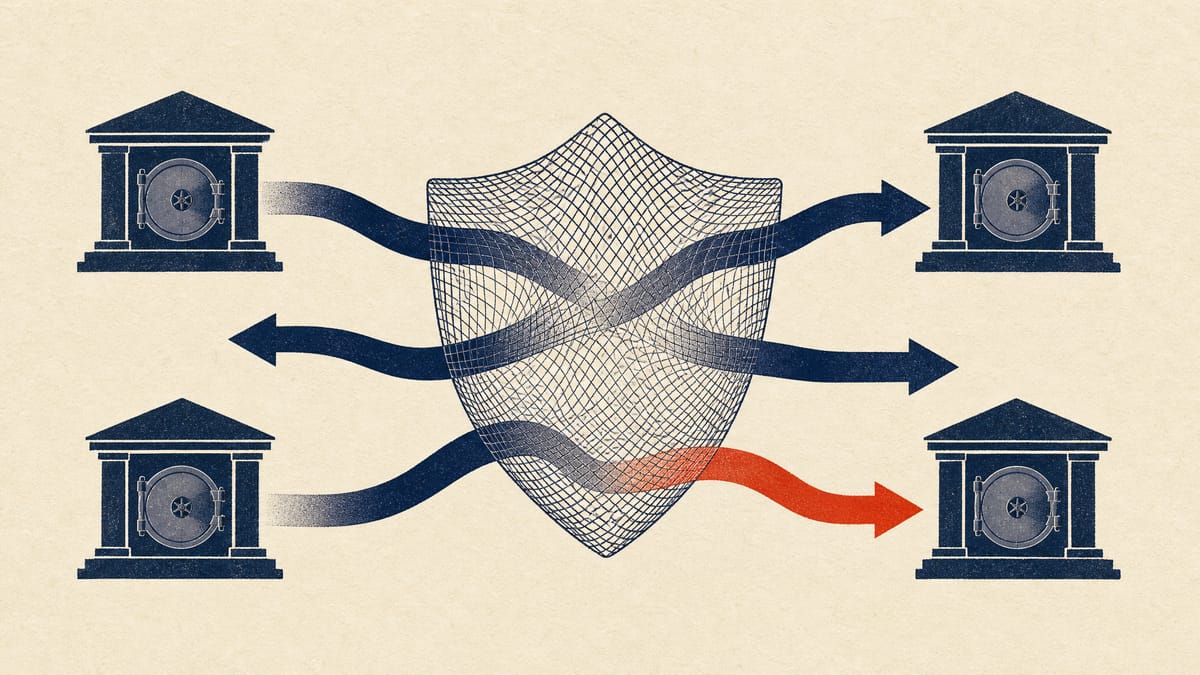
The amended Chiang Mai Initiative Multilateralisation (CMIM) Agreement came into effect on 11 November 2026, Japan's Ministry of Finance said. The agreement is a regional financing arrangement among the finance ministers and central bank governors of the ASEAN member states, China, Japan and Korea, and the Monetary Authority of Hong Kong, China.
The amendment was agreed at the ASEAN+3 Finance Ministers and Central Bank Governors' meeting in May 2024, so the change took effect about two and a half years after members signed off on it.
A new facility for sudden shocks
The first change is the CMIM Rapid Financing Facility (CMIM-RFF). It provides liquidity support through currency swap transactions to a CMIM party facing an actual and urgent balance-of-payments need stemming from sudden exogenous shocks, such as natural disasters and pandemics.
Precautionary drawings can be renewed
The second change concerns the CMIM Precautionary Line (CMIM-PL). The amendment allows drawings made under the line to be renewed, which the ministry says gives members greater flexibility in accessing precautionary liquidity support.
What the ministry claims
The ministry says the amendment will further strengthen the CMIM, which it describes as standing at the center of the regional financial safety net of the ASEAN+3. The announcement gives no facility size, per-member limits, or drawing terms for either the CMIM-RFF or the renewed precautionary drawings, so the practical scale of the new support is not set out in the ministry's note.