Amazon Japan will have to show shoppers its cheapest available offer on a product page even when no seller matches the lowest price at rival stores, under a commitment plan the Japan Fair Trade Commission (JFTC) approved on 11 November 2026. The JFTC said it suspected the current arrangement of breaching Article 19 of the Antimonopoly Act, Japan's competition law, as an unfair trade practice that places restrictive conditions on trading partners. The approval is not a finding of a violation, the commission said.
The suspected mechanism
Amazon Japan runs Amazon.co.jp, which the JFTC describes as the largest online shopping store in Japan by transaction value. Each product has one detail page. It shows a single seller's "recommended offer", with price, delivery terms, shipper and seller, beside the add-to-cart and buy-now buttons. Other offers do not appear there. Shoppers can see every offer only on a separate page, and the release says most purchases are made from the recommended offer without that page being opened.
To qualify, a seller's price must be at or below a "competitive price". The release defines that as the lowest price for the identical product among a substantial number of online stores that Amazon Japan considers consumers could use instead of Amazon.co.jp, including stores with large transaction volumes. Shipping is added where it is charged, and points awarded are deducted. The JFTC said Amazon Japan introduced an algorithm-based eligibility system in September 2019, tells sellers through Seller Central and email when a listing loses eligibility because of price, and makes clear that they must price at or below the benchmark to qualify.
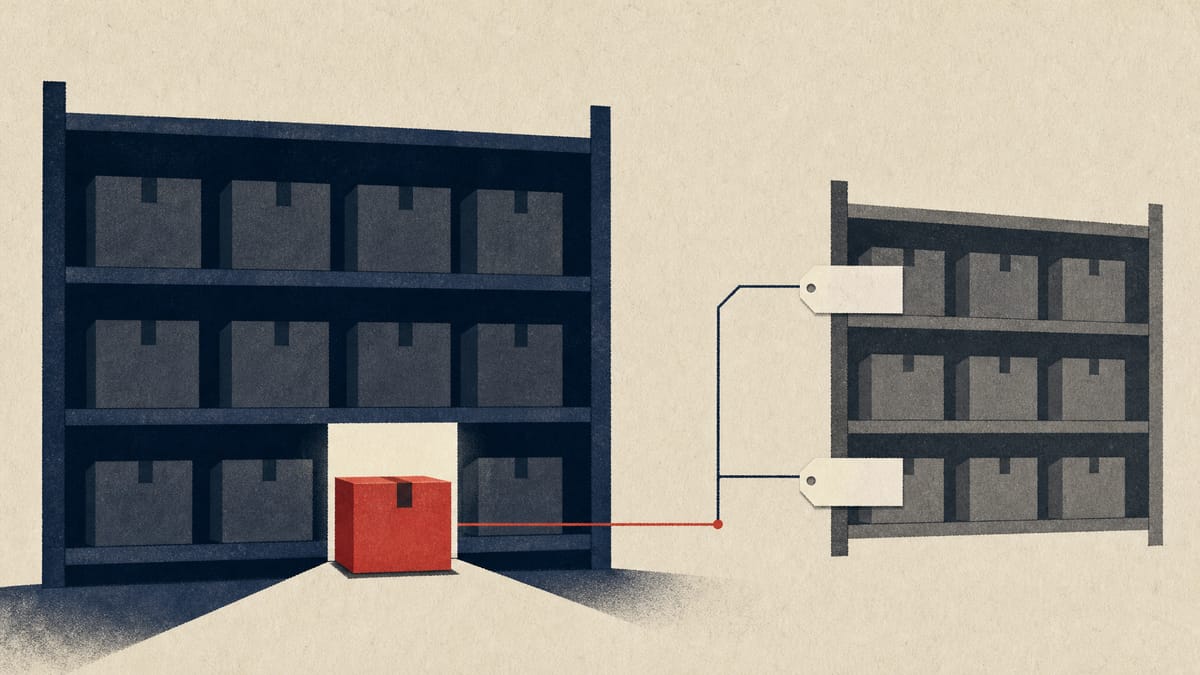
When no seller qualifies, no offer appears on the page at all, including the cheapest one on Amazon. The JFTC said that, to a consumer, the product then looks as if it is not for sale.
What the JFTC feared
The commission's assessment, framed as what it considers likely, is that sellers are pushed to price at or below the benchmark, and that for some products the benchmark is too low to earn a profit. Because the benchmark is the lowest rival price, it said, a rival store's fee cuts, point funding or sales would not pay off. Sellers that also supply a rival store may ask it to raise its price to at least their Amazon price, or stop supplying it, in the hope that the benchmark rises. These are the JFTC's views in the notice, not established findings.
What the plan requires
Where no offer is at or below the competitive price, Amazon Japan must show, in a way consumers can easily see, the price (with shipping where it is set), delivery terms, shipper and seller of the lowest-cost offer a consumer can buy. It must also show an entry point to proceed to purchase. The change must be explained in help pages for sellers and for shoppers, and must run for five years from the day it starts operating.
The plan also sets compliance duties. Amazon Japan's decision-making body must adopt the measures, sellers must be notified, and relevant employees must be briefed. The company must write a conduct policy on antimonopoly compliance for seller pricing, run regular staff training, and have legal staff audit compliance regularly. A third party that the JFTC approves must monitor implementation and report to the commission, including annually through the five-year period.
The JFTC found the plan sufficient to end the suspected conduct and likely to be carried out, citing the compliance set-up, the outside monitor and deadlines attached to each measure. If the plan is not followed, the commission can revoke the approval under Article 48-5 of the Act and reopen the investigation it ran before the commitment procedure began. The JFTC sent Amazon Japan its commitment procedure notice on 4 November 2026.
Limits of the remedy
The release frames the fix as a display rule for the case where no offer meets the benchmark. It does not describe Amazon Japan dropping its eligibility algorithm or ending price comparisons with other stores. It gives no start date for the five-year clock and does not name the monitor.