Web View
Kansai Electric's Bigger Bill Lands the Same Week Hitachi Finally Lets Go
Kansai Electric will charge its biggest factories more starting in November, Hitachi finally lets go of the machinery maker's shares it still held, and Bain Capital's buyout already spent Baudroie's next dividend before shareholders saw a yen of it.
MARKETS
Market pulse
Tokyo equities softened while the 10Y JGB yield nudged higher.
Sourced from Nikkei, JPX, BOJ, MOF - values, not commentary.
lead
Kansai Electric's Power-Bill Reset
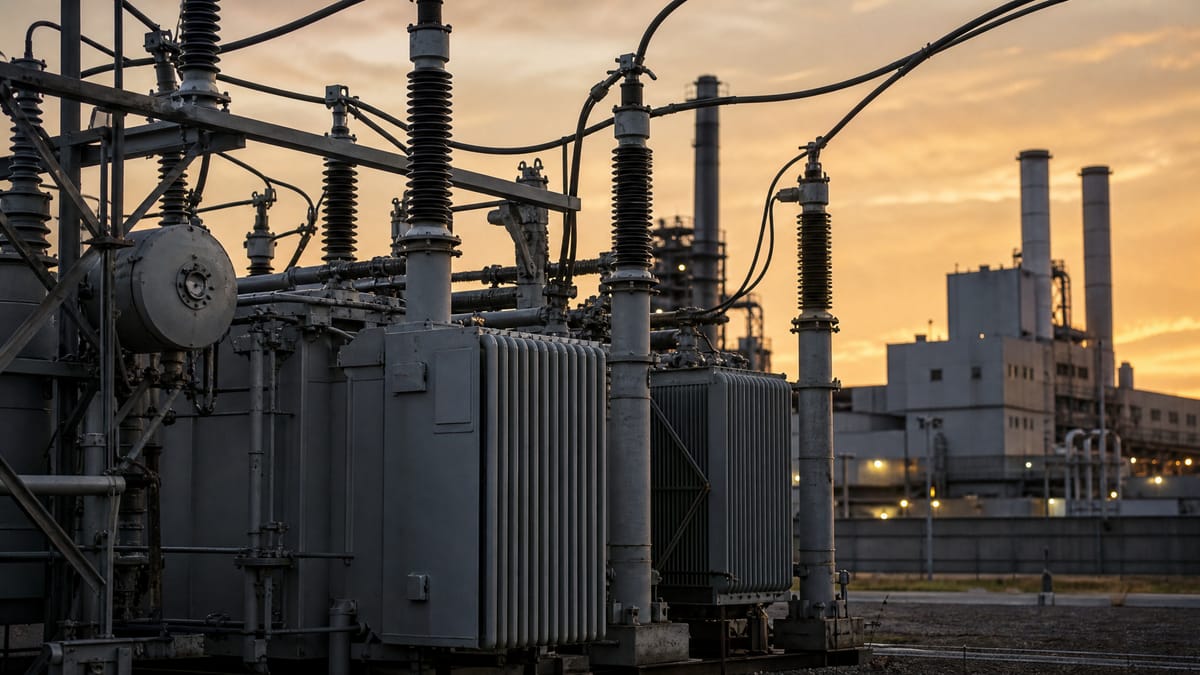
Kansai Electric to Raise Corporate Power Tariffs From November as Inflation and Green-Policy Costs Bite
Kansai Electric will overhaul its extra-high-voltage and high-voltage rate menus for corporate customers from November 1, folding commercial and industrial tariffs into single rate tables because the utility says its power-procurement costs for both customer classes are now identical. The reference fuel price used to set bills is actually falling, from ¥47,000 per kiloliter to ¥37,500, but Kansai Electric is also shortening the averaging window from three months to one month, making bills move faster with crude and LNG prices. Run through the utility's own bill example and the net effect is an increase: one Extra-High-Voltage A account goes from ¥20.33mn a month to ¥22.41mn, up ¥2.08mn. What's driving it: Kansai Electric names four cost pressures behind the increase regardless of the lower fuel benchmark — general inflation, transmission (wheeling) charges, capacity-market contributions, and non-fossil energy certificates, the tradable credits utilities buy to certify carbon-free power under Japan's decarbonization rules.
The catch: that ¥2.08mn increase doesn't include a separate transmission-fee revision Kansai Electric has flagged but not yet published, due to take effect the same November 1 date. Industrial customers budgeting off this disclosure alone will understate their actual November power costs.
What to watch: whether Kansai Electric publishes the transmission-fee schedule with enough lead time for large customers to adjust before the rollout, and whether other regional utilities follow with similar capacity- and certificate-cost pass-throughs this fiscal cycle.
secondary
Deals and Capital Structure
Hitachi Construction Machinery to Buy Back ¥34bn in Stock as Hitachi Sells Its Entire Stake
Hitachi told Hitachi Construction Machinery on August 18 that it would sell every remaining share it held in the machinery maker: 21,462,310 shares, or 10.1% of the voting rights. SMBC Nikko Securities aggregated buy orders from other brokers, briefly registered as the reporting major shareholder, then resold the entire block to domestic and overseas institutional investors on August 19. A separate filing the same day confirmed the sale closed: Hitachi's holding fell to zero, with settlement due August 21.
The move: Hitachi Construction Machinery is now spending up to ¥34bn buying back roughly 30% of that block through open-market purchases on the Tokyo Stock Exchange, a buyback window that runs from August 19 to November 30.
Why it matters: The buyback absorbs a meaningful chunk of the share supply Hitachi's exit put into the market, cushioning the stock against the overhang from a single-day 10.1% block sale.

Bain Capital's Buyout Cancels Baudroie's Planned Dividend
Baudroie's board scrapped a planned ¥10.10-per-share year-end dividend for the year to February 2027 — a reversal of guidance issued just four months earlier — conditional on Bain Capital affiliate BCPE Neon Cayman completing its tender offer for the Tokyo Prime-listed IT company. The buyer's ¥2,970-a-share offer price was calculated on the explicit assumption that no dividend would be paid, so the payout has effectively been folded into the acquisition price rather than handed out as cash. The terms: the offer is backed by up to ¥36.2bn in equity and up to ¥46.0bn in bank loans from Yokohama Bank, Resona Bank and Aozora Bank. Founder-executives holding a combined 54.65% of Baudroie will sell at a discounted ¥2,350 a share, below the public offer price, and roll their proceeds into the new ownership structure to stay on after delisting.
Why it matters: shareholders outside management get the full ¥2,970 a share, while the founders accept a lower price in exchange for retaining a stake and staying on post-buyout. The tender offer runs through October 5.
J.P. Morgan Entities and Highbridge Cross 5% Disclosure Line in Nippon Steel
Five J.P. Morgan entities and Highbridge Capital Management jointly disclosed a combined 5.08% stake in Nippon Steel on August 19, after their aggregate holding crossed Japan's mandatory 5% disclosure threshold on August 14. The joint filing covers Nippon Steel's listings in Tokyo, Nagoya, Fukuoka and Sapporo.
The catch: most of the position isn't outright equity. The filing shows large blocks tied to convertible bonds and a securities-lending book rather than shares held for investment conviction, so the disclosure signals derivatives and lending exposure crossing a threshold more than a directional bet on the steelmaker.
Sansan Reports First-Ever Dividend as Annual Profit Jumps to ¥6.78bn
Sansan's net sales rose 24.4% to ¥53.76bn for the year to May 2026, and net profit attributable to shareholders jumped to ¥6.78bn from just ¥424mn a year earlier, helped by a gain on selling shares in an affiliate. Ordinary profit roughly tripled to ¥8.17bn from ¥2.74bn, while adjusted operating profit reached ¥8.43bn.
Why it matters: the digital business-card and cloud-invoicing company declared its first-ever dividend, ¥2.50 a share, and set a target of 16-20% annual sales growth through 2029, a shift toward returning cash as its Bill One invoicing product holds a 49.0% share of Japan's cloud invoice-receipt market.
Be Brave Lifts Univance Stake to 7.09%, Presses for Policy-Share Sale and 8% Dividend-on-Equity
Be Brave's stake in Univance climbed to 7.09% from 6.08%, and the Tokyo fund wants the auto-parts maker to sell its policy shareholdings to fund an 8% dividend-on-equity payout, invoking the Tokyo Stock Exchange's 2023 request on capital cost and its revised governance code.
secondary
Governance Under the Microscope
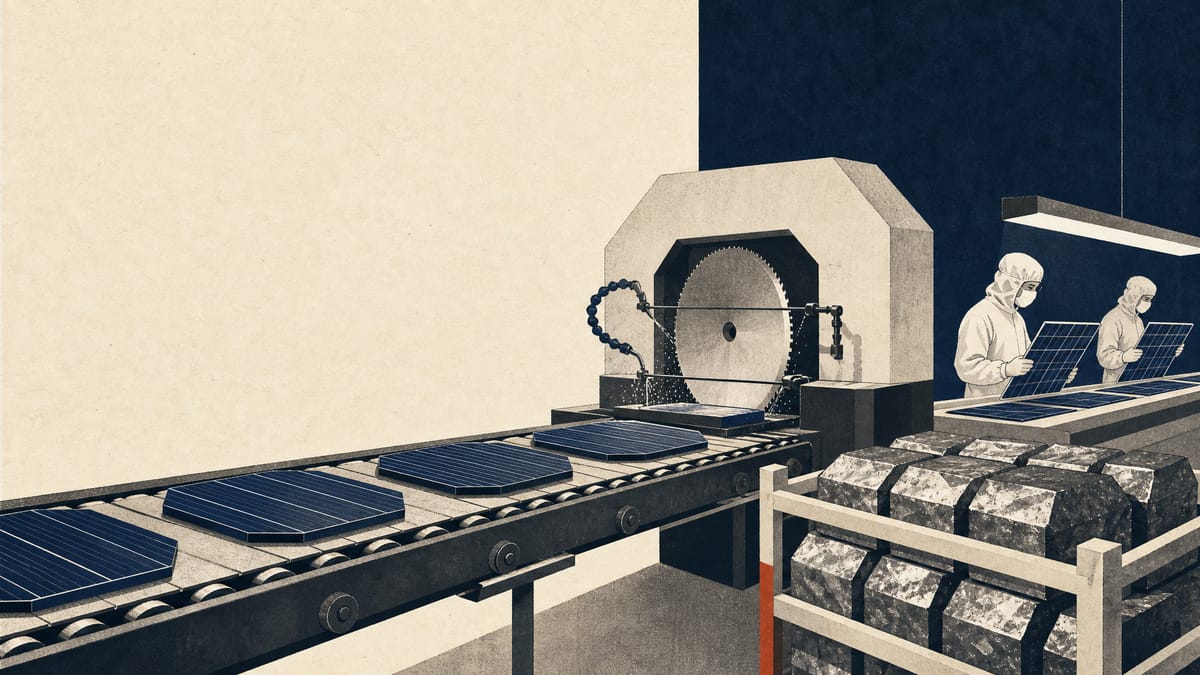
Abalance Rewrites Years of Earnings After Accounting Probes and a Fictitious-Sales Allegation
Abalance, which makes solar panels through units in Vietnam, Ethiopia and Texas, filed corrected versions of four past earnings reports on August 19, the latest step in an accounting investigation running nearly a year. The corrections follow improper accounting found in overseas raw-material buy-back deals and a suspected fictitious-sales scheme at a subsidiary the company later absorbed.
Why it matters: Abalance's auditor has twice declined to give a conclusion on the numbers. With a governance review and overseas-subsidiary reorganization still underway, the company has withheld both earnings and dividend guidance for the year ahead until that review finishes.
Shinto Holdings Admits Diverting Warrant Proceeds to Loan Repayments Without Board Approval
Shinto Holdings told investors on August 19 that cash it raised in 2024 was spent differently from what it had promised, with the outlays occurring before its board approved the change or before any public notice went out. The details: Proceeds from a 2024 share placement, originally earmarked for a loan to a related company for iron and non-ferrous metal purchases, were instead used by Shinto directly for those purchases. Separately, proceeds from the company's 7th and 8th stock acquisition rights were redirected to repay a bank, a related company and an individual, cover payroll and rent, and fund a loan to another subsidiary.
Why it matters: Both changes in use went out before the board signed off or investors were told, a disclosure-timing gap that raises questions about Shinto's internal controls over how it tracks and reports capital-raise proceeds.
CHIeru Zeroes Out Directors' Stock Pay, Rebuilds Subsidiary Board After Antitrust Probe
CHIeru told the Tokyo Stock Exchange on August 19 that it will zero out stock-based pay for all eight of its directors and rebuild the board of subsidiary Okijimu, after a special investigation committee flagged bidding-related conduct that could amount to an "unreasonable restraint of trade" under Japan's Antimonopoly Act. CHIeru received the committee's report on August 5 and put a six-point remediation plan to its board fourteen days later.
Why it matters: the company expects only a minor earnings hit for the year to March 2027, but the response — a full leadership replacement at the subsidiary plus a 100% cut to parent-level stock compensation — puts visible personal accountability on directors rather than treating the finding as a line-item disclosure.
quick hits
Quick Hits: More to Know
Kobe Bussan's July Sales Rise 7.6%, but a Yen Swing Erases Most of the Profit
Read moreKobe Bussan's July sales rose 7.6% and store openings kept pace, but a reversal in yen forward valuation gains dropped ordinary profit to about a fifth of last year's level, a swing the company calls temporary and non-operational.
EJ Holdings Sells Entire Stake in Tunnel-Tech Affiliate to Kajima for ¥2.71bn
Read moreKajima Corporation is paying ¥2.71bn for EJ Holdings' entire 35.61% voting stake in a Kyoto tunnel-measurement affiliate, aiming to pair its automated construction technology with the target's tunnel-monitoring software for a push into domestic and overseas markets.
Lawsuit Seeks ¥816.2mn From Japan M&A Solution, but Its Contract Caps Payout at ¥23.8mn
Read moreA Tokyo court complaint accuses Japan M&A Solution of mishandling advice on a 2023 share sale, seeking ¥816.2mn in damages, but the company says its advisory contract limits any payout to the ¥23.8mn fee it earned on the deal.
Sakata Seed's Final Report: Two Separate Server Breaches, No Data Misuse Found
Read moreSakata Seed's final forensic report ties a Japan server breach to a public remote-access point and a separate US subsidiary intrusion to remote-access login credentials, and says neither has produced confirmed data misuse to date.
A ¥21.7bn buying spree lifts this healthcare REIT's profit outlook, but the payout stays put
Read moreHealthcare & Medical Investment Corporation is expanding its unit count by more than a quarter to help pay for 14 new properties, a move that lifts its profit forecast sharply while leaving unitholders' near-term distribution exactly where it was.
Oi Electric Buys Back Nearly 13% of Its Own Shares via ToSTNeT-3
Read moreThe Tokyo Stock Exchange-listed electronics maker bought back 173,800 shares for ¥860.3mn via ToSTNeT-3, using almost all of the buyback authority its board approved just a day earlier.
OXIDE Commits ¥1.455bn to Expand Faraday Rotator Output for AI Data Centers
Read moreOXIDE will spend ¥1.455bn on new Yamanashi production equipment for Faraday rotators, the isolator components that stop reflected light from disrupting data-center laser transceivers, though the company says the earnings effect stays minor before the equipment even starts up in the year's second half.
Metaplanet Plans to Buy Control of Nasdaq's Super League Enterprise With 2,100 Bitcoin
Read moreMetaplanet's board wants to hand over 2,100 Bitcoin and $2.5 million in cash for 95.7% of the votes in Nasdaq's Super League Enterprise, which would be renamed Superplanet and pivot into a bitcoin treasury business once SLE shareholders sign off, expected in the final quarter of 2026.