Web View
Toyota Tsusho's buyback turns into an ownership reset
Toyota Tsusho's buyback rewires the shareholder table, public IT demand lifts sales without rescuing margins, and subsidy money keeps touring the globe. Capital still picks odd routes.
MARKETS
Market pulse
Tokyo equities advanced while the 10Y JGB yield nudged lower.
Sourced from JPX, BOJ, MOF - values, not commentary.
lead
The buyback that rewrote the register
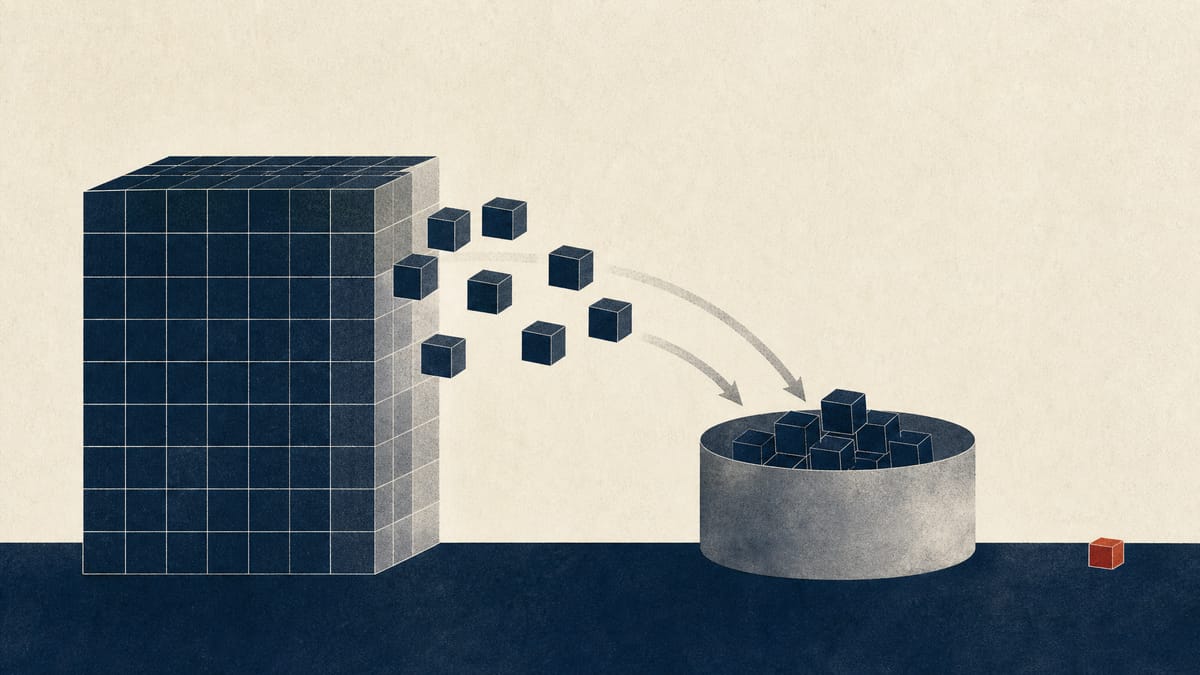
Toyota Tsusho's self-tender turned into an ownership reset. Shareholders tendered 118,109,134 shares against a planned purchase amount of 118,095,402, so the company used pro-ration and ended up buying 118,095,432 shares. The offer was only marginally oversubscribed, but still large enough to matter.
Why it matters: Toyota Tsusho says the holder named as Toyoda Jidoshoki goes from 11.19% of voting rights to effectively zero once settlement begins on June 24. This was not just cash spent on a buyback; it redraws the disclosed ownership map.
secondary
Guidance, governance and margin math
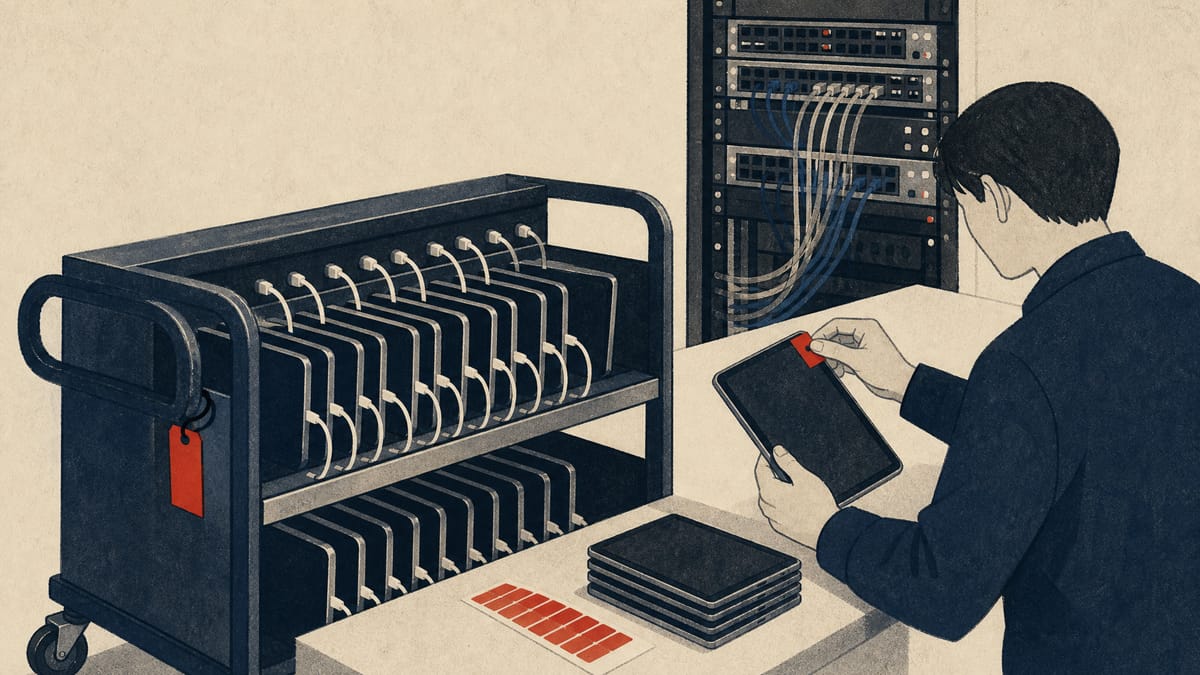
Uchida Yoko raised revenue guidance without touching the profit line.
Revenue guidance for the year to July rises to ¥421 billion from ¥418 billion and the planned year-end dividend to ¥72 a share, helped by GIGA School replacements and large education-network projects. Operating profit stays at ¥15.4 billion because some local-government system work slipped into next year and the company booked ¥749 million of warranty provisions for future support.
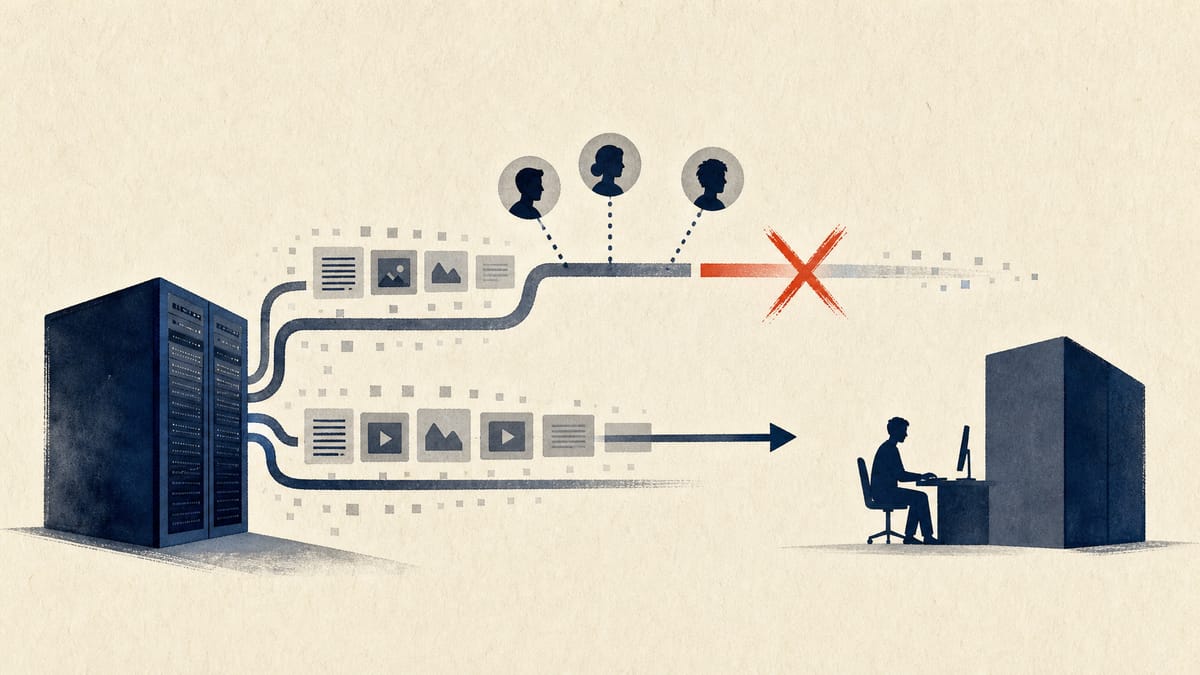
Media Kobo is cutting costs because the earlier build-out plainly was not paying off.
The company will halt a delayed content-production framework, trim outsourced work and expects about ¥46 million of savings this year, while booking roughly ¥87 million of impairment losses. After first-half revenue fell 13.5% and operating loss widened, management also cut full-year guidance sharply, so this reads as clean-up before any credible recovery story.
CIJ's upgrade mixes stronger demand with a wider group perimeter.
The company raised its sales, profit and dividend outlook for the year to June, citing firm public-sector and energy orders plus the consolidation of Infotec Solution. Useful read-through, but not a pure organic-growth signal: the filing does not split the lift between demand and consolidation.
Chiel has a governance problem and a calendar problem at the same time.
Suspected legal violations at an unnamed subsidiary pushed the company to set up a special investigation committee and defer business-report and financial-statement items from its June 26 shareholder meeting into a later continuation session. Even so, it separately resolved to pay an 18 yen year-end dividend while the accounts are still under review.
secondary
Ownership maps and policy money
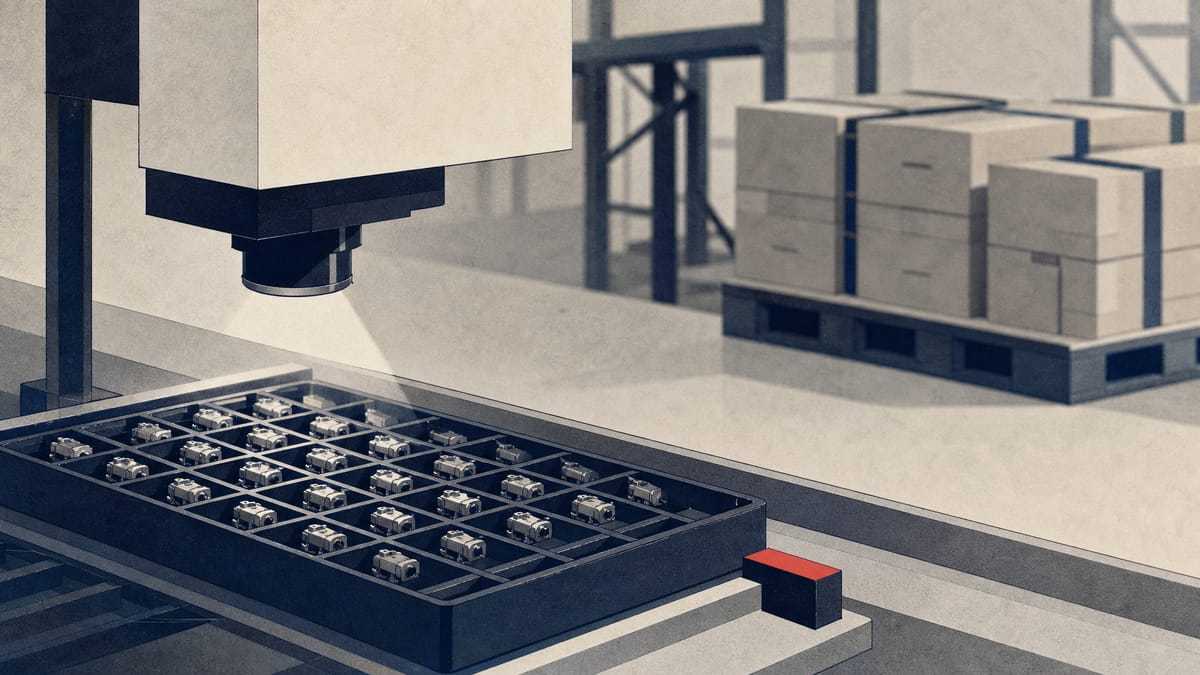
TDK has removed Actutek from the group chart.
A share transfer effective June 1 ended TDK's 100% indirect ownership of the Taiwan company, which makes camera module actuators, and stripped it of specified-subsidiary status. The filing does not identify the buyer, price or earnings effect, so for now this is corporate-structure news rather than a finished strategy story.

Japan's FSA has given crypto intermediaries a cleaner starting page, not a new rulebook.
The new page links the governing ordinance for electronic payment instrument and crypto-asset intermediation to the register of 27 crypto-asset exchange service providers dated April 30. The useful catch is in the fine print: the English page is machine-translated and not necessarily correct, which compliance teams should treat as more than decorative honesty.
JPMorgan's Japan Engine filing looks more like ownership plumbing than conviction buying.
A four-entity joint filing reports 644,000 shares, or 7.67% of the company, after what the cover page calls a significant contract change. The disclosures describe stock borrowing, lending and prime-brokerage arrangements, so the market signal is a meaningful reported position, not a declared strategic campaign.
Seiwa Chuo's real control picture is bigger than the headline stake.
SK Kosan's direct holding is 14.60%, but a corrected joint-holding report lifts the combined position with Masaaki Sakagami to 26.60%. The filings also show ¥110 million of borrowings and 360,000 shares pledged to MUFG Bank, a reminder that influence here sits inside a financing structure as well as a share register.
Japan's latest overseas energy-transition subsidy is aimed upstream.
The second call backs decarbonization work at fossil-fuel infrastructure in resource-rich countries, along with technology transfer, surveys and research in fuels such as hydrogen, ammonia and biofuels. Applications run from June 1 to June 22, so this is a funding window, not an award notice.
quick hits
Quick Hits
Green Monster widened its capital headroom.
Read moreShareholders approved a charter change lifting maximum issuable shares to 13,259,600 from 12,760,000 and elected three directors. That expands the ceiling, not a separately announced financing plan.
Koki replaced its annual results after a tax-processing error.
Read moreThe corrected filing shows 7,726 million yen in sales and 122 million yen in net profit for the year ended March 31, while a separate notice proposes a 214 yen year-end dividend subject to shareholder approval on June 26.
Disruptors booked parent-only cash from subsidiaries.
Read moreCareer Index and White Career paid a combined ¥225 million on June 3, which will lift the parent's standalone revenue for the year ending March 2027. Consolidated results do not change, because the cash came from consolidated subsidiaries.
Global Way formalized another TimeTicket unit.
Read moreTimeTicket set up Westgate Entertainment as a 75%-owned vehicle for livestream creator support and management. Business started in May, but the company says the effect is already reflected in its outlook for the year ending March 2027.
Japan opened a June window for non-ASEAN Global South demonstration projects.
Read moreThe program offers subsidies of up to ¥4 billion for large overseas demonstrations outside ASEAN and is pitched as both market-making and supply-chain diversification. Useful policy money, but still only an application call.
Japan is targeting the recycling bottleneck for solar panels, batteries and glass.
Read moreThe new program backs demonstration projects to improve domestic recycling and recover non-ferrous and rare metals from renewable-energy products and related materials. Again, policy direction rather than awarded money.
Japan opened a second oil-and-gas cooperation subsidy round.
Read moreThe program supports training, technology transfer, petroleum infrastructure upgrades and development surveys in producer countries, explicitly linking overseas industrial work to fuel security at home. Applications are open, awards are not.