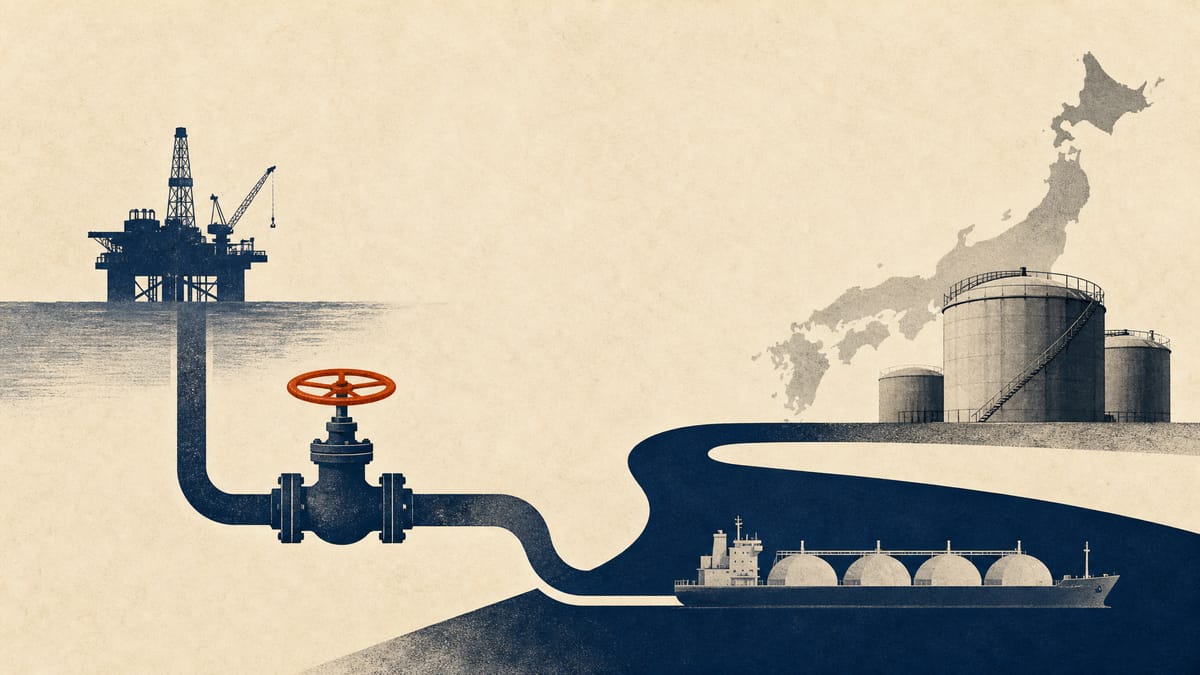
Japan has opened a second application round for a subsidy program that treats industrial cooperation with oil- and gas-producing countries as part of its energy-security toolkit. The notice says the aim is to strengthen relations with those countries and help secure a stable, affordable supply of oil and natural gas for Japan.
The work it will support is broader than a narrow refinery upgrade. The program covers human-resource development in oil- and gas-producing countries, transfers of advanced Japanese technology, upgrades to petroleum-industry base facilities and equipment, and surveys linked to oil and natural-gas development. That makes the policy logic fairly plain: overseas training, engineering know-how and project preparation are being treated as part of the supply-security stack, not as side projects.
The jGrants entry says private organizations that meet the program’s requirements can apply. It also lists an application window starting on June 1 and ending on June 22, subsidy rates of fixed amount, two-thirds or one-half, and a ceiling of 2,900,000,000 yen. No awards have been announced, so this is a funding call, not a result.
For business readers, the signal is less about immediate spending and more about how Japan is using industrial cooperation with resource countries: people, technology and infrastructure work abroad are being explicitly linked to future fuel security at home. Applicants should still check the full notice for exact eligibility and consortium terms before treating the fine print as settled.