UNIVA Oak Holdings finished the year to March 2026 with another loss, and a balance sheet that remained under pressure. Consolidated sales were ¥2.33bn and ordinary loss was ¥549.0mn.
That ordinary loss was smaller than the previous year's ¥986.3mn, but the improvement came with lower revenue. Sales slipped from ¥2.88bn a year earlier, so the latest result is better described as a smaller setback than a clean rebound.
The more uncomfortable line is capital. The annual-report summary puts net assets at about ¥1.20bn, and loss attributable to owners of parent at ¥582.8mn for the year. It also puts the equity-to-asset ratio at 23.59%.
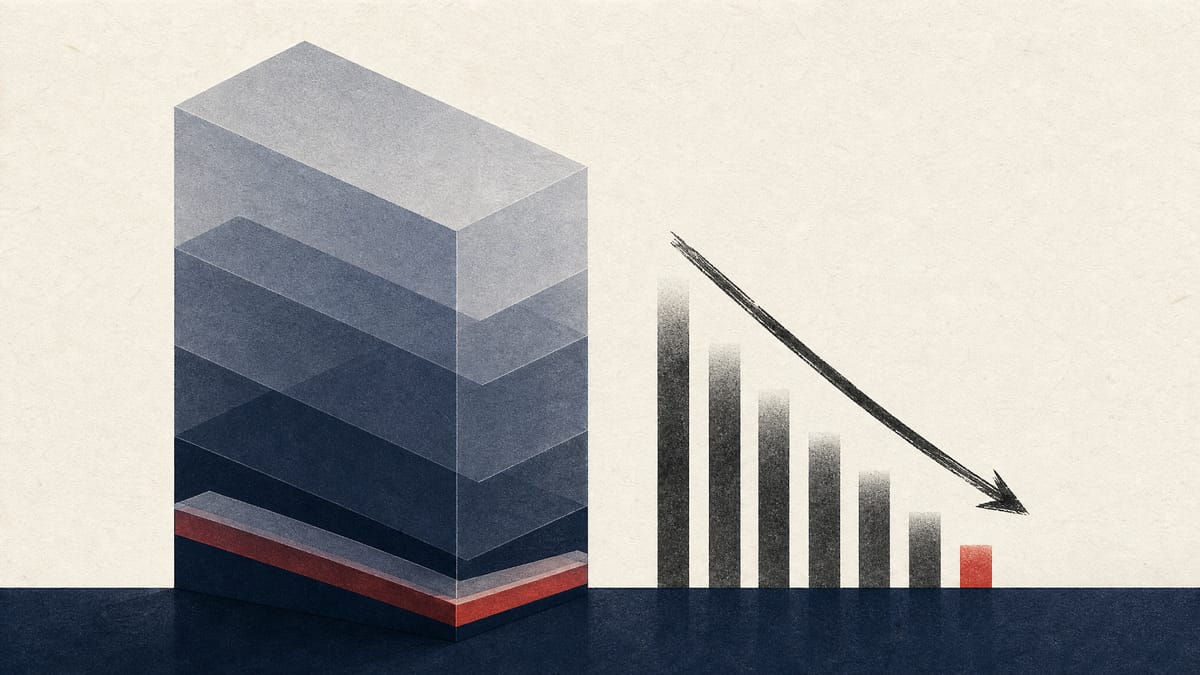
That matters because the filing digest says the ratio was above 54% in earlier periods, showing how far the capital cushion has thinned. For business readers, the key point is simple: smaller losses did not stop UNIVA Oak's capital buffer from weakening again. The selected evidence gives the headline figures, but not the operating drivers behind the balance-sheet erosion.