Web View
BOJ Holds at 1%, One Board Member Says Not Fast Enough
The Bank of Japan held rates steady 8-1 but one dissenter wants a faster hike, while Tokyo's earnings season serves up record AI profits and one costly dividend cancellation.
MARKETS
Market pulse
Tokyo equities advanced while the 10Y JGB yield nudged higher.
Sourced from Nikkei, JPX, BOJ, MOF - values, not commentary.
lead
A Lone Dissent at the BOJ
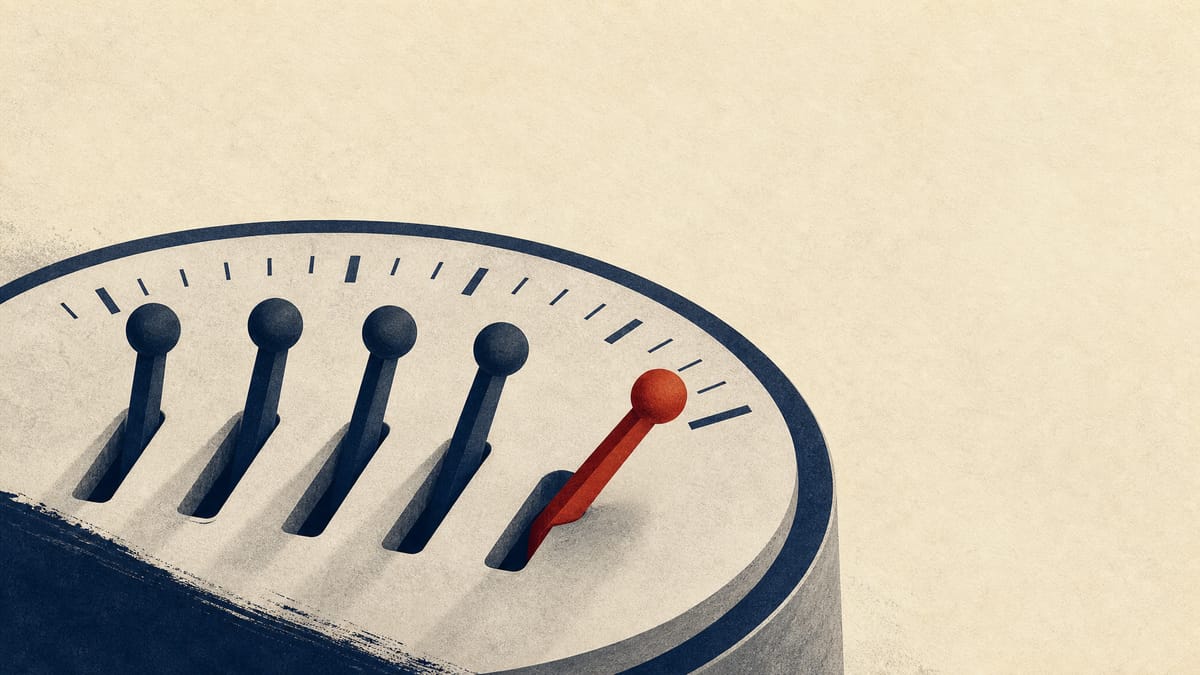
BOJ Holds Rate at 1.0% as Board Member Pushes for a Faster Hike
The Bank of Japan's Policy Board voted 8-1 on July 31 to hold its overnight call rate guideline at around 1.0%, keeping the current stance in place through the next policy meeting. Board member Takata Hajime cast the lone dissent, pushing for a quarter-point increase to around 1.25% on the view that overseas demand shocks and shifting financial conditions are building upside risk to prices that the majority isn't yet ready to act on.
What changed: The two-day meeting, which ran from the afternoon of July 30 into midday July 31 with Ministry of Finance and Cabinet Office officials sitting in as non-voting observers, ended with the Bank holding rather than following up on its earlier hike with another move now. The dissent: Takata's proposal is the sharpest internal split the Board has shown this cycle, putting a specific number, 1.25%, on the table rather than a vague call for vigilance.
What to watch: A repeat dissent at the next meeting would signal the hold is losing consensus support inside the Board itself.
secondary
Takeovers and Tender Offers
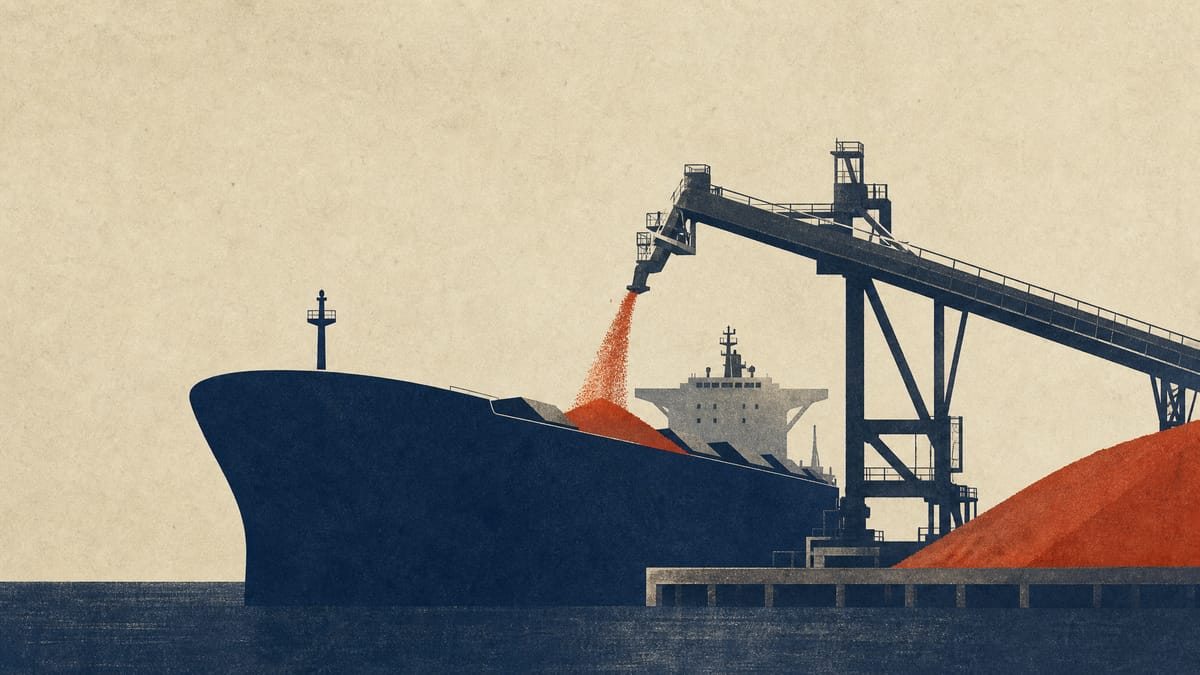
NYK's ¥10,600 Bid for NS United Kaiun Zeroes the Dividend - But Only If the Deal Closes
Nippon Yusen Kabushiki Kaisha (NYK) is offering ¥10,600 a share to take full control of dry-bulk carrier NS United Kaiun Kaisha (TSE: 9110), a premium of roughly 37% over the target's last close before the announcement. NS United Kaiun's board has agreed to back the bid and recommend that shareholders tender their stock.
The catch: The target's board also voted to cut its dividend forecast to zero, down from a previously guided ¥295 a share, but that cut only takes effect if the tender offer actually closes, turning the dividend into a bet on deal certainty rather than a guaranteed payout. The structure: Top shareholder Nippon Steel has separately agreed to accept a lower price in a second-stage buyback, easing NYK's path to full ownership without requiring it to match the headline tender price for every seller.
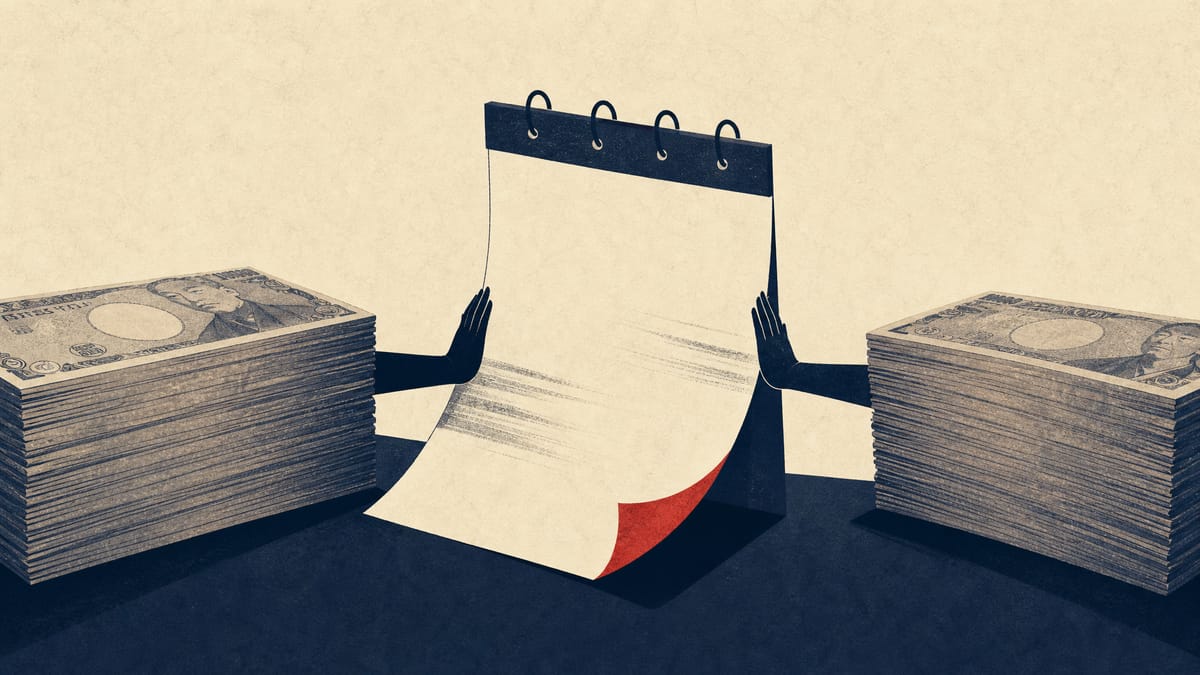
Kakaku.com Suitor Extends Deadline Again as Bain Capital and LINE Yahoo Float a Higher Bid
Kamgras 1 Kabushiki Kaisha, the vehicle bidding to take Kakaku.com (TSE: 2371) private, pushed back its tender offer deadline for the fourth time since the bid opened, filing a correction notice on July 31 that stretches the offer period to August 17 from an earlier August 3 cutoff. The current offer price stands at ¥3,450 a share, raised from ¥3,000 on July 17. The pressure: Bain Capital and LINE Yahoo have floated a higher counter-proposal, forcing Kamgras to reopen price talks rather than wait out the clock on its original bid.
Why it matters: A ninth amendment to the same tender offer statement, following corrections filed across May, June and July, shows how contested this deal has become since it opened on May 13.
secondary
Earnings Season: Winners and Squeezes

Murata Raises Full-Year Profit Forecast 13% as AI Server Demand Drives Record Quarterly Revenue
Murata Manufacturing posted its highest-ever quarterly revenue for the three months to June, at ¥502.3bn, up 20.7% from a year earlier, as AI server and data-center demand pulled orders higher across its electronic components lines. Operating profit rose 59.8% to ¥98.5bn and net profit climbed 63.7% to ¥81.4bn. The guidance bump: Murata raised its full-year revenue forecast by ¥150bn and operating-profit forecast by ¥50bn above April's target, lifting the profit guide 13% to a record ¥430bn.
Why it matters: A components maker raising guidance mid-year on AI server demand, rather than just riding a weak yen, points to real order growth further down the electronics supply chain.

Sony's Chip and Gaming Rebound Pushes Full-Year Profit Guide to ¥1.72tn
Sony Group's quarter to June delivered revenue up 8.2% to ¥2.84tn and operating profit up 40.2% to ¥476.5bn, driven by image sensors and PlayStation. Net profit rose 32.1% to ¥342.2bn, and diluted earnings per share climbed from ¥42.84 to ¥57.82. The gap in the guide: Sony used the beat to raise its full-year profit target to ¥1.72tn, but that guidance does not yet include any hit from the July earthquake that shut its Kumamoto chip plant, a sensor-manufacturing site central to this quarter's growth.
What to watch: The next update will need to show whether Kumamoto downtime dents the sensor business enough to offset this quarter's momentum.
Daiichi Sankyo Lifts Sales Outlook on Cancer Drugs, Trims Profit Forecast on Tax Bill
Daiichi Sankyo's revenue for the quarter to June rose 21.1% year-on-year to ¥574.7bn, and core operating profit grew 6.2% to ¥107.3bn, driven by cancer drugs Enhertu and Datroway. Statutory operating profit fell 12.0% to ¥85.1bn, and net profit dropped 19.7% to ¥68.6bn. The split: The company raised its full-year revenue and operating-profit guidance while cutting its full-year net profit forecast by ¥9bn, a gap that traces to a jump in the effective tax rate to 24.9% rather than weakness in the drug business itself.
Why it matters: Enhertu is on pace to cross ¥1tn in annual sales, a scale that also flows through to co-promotion partner AstraZeneca's own oncology numbers.
DENSO's Quarterly Sales Rise 9.1%, Rising Costs Cut Operating Profit 21.5%
DENSO's revenue for the quarter to June rose 9.1% year-on-year to ¥1.91tn on higher vehicle sales and expanded sales of electrification and intelligent-driving components. Operating profit fell 21.5% to ¥84.2bn, as gains from a weaker yen were outweighed by higher costs for copper and aluminum plus continued growth spending. Net profit dropped 14.4% to ¥67.9bn. The
read-through: DENSO raised its full-year revenue forecast but held profit guidance flat, a sign that metal-cost inflation is expected to keep eating into margins for the rest of the year.
secondary
Policy and Disaster Watch
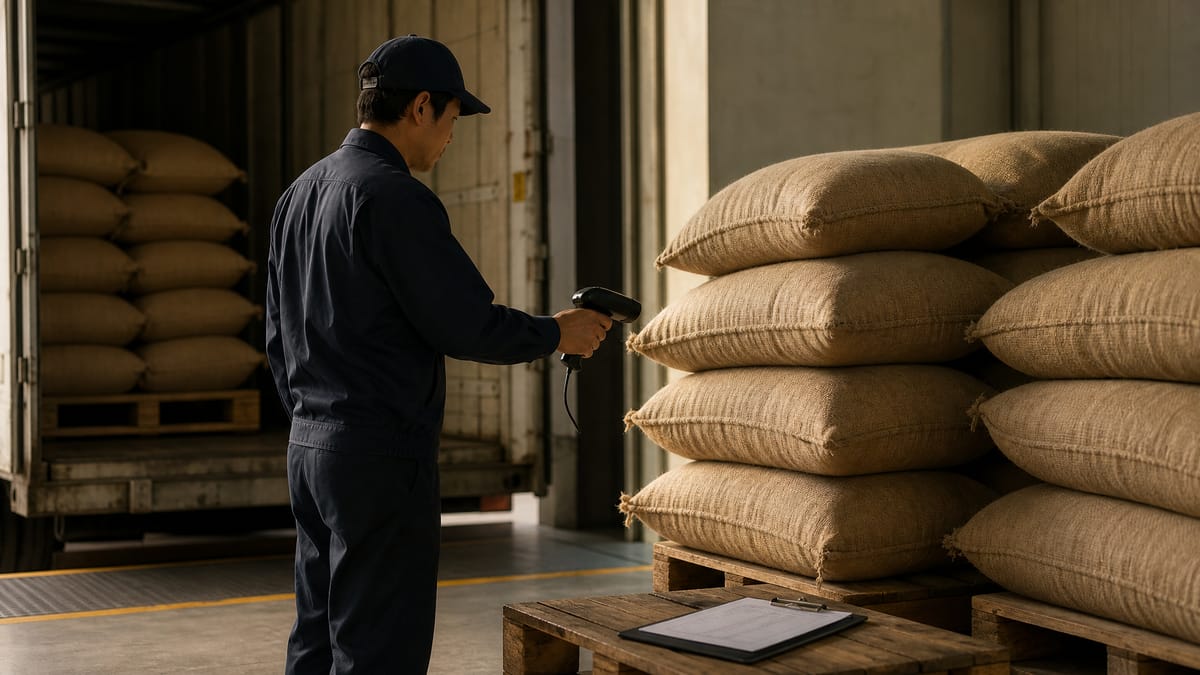
Japan Drafts 300-Tonne Threshold for Mandatory Rice Trade Reporting
Japan's farm ministry and the National Tax Agency have opened a 30-day public comment window, running through August 29, on draft ordinances that would force any business handling at least 300 tonnes of rice a year, from farms to convenience-store chains, to register with the government and file regular inventory reports. Producers would report twice yearly in January and July, while retailers, processors, and food-service operators handling that volume would report annually. The bigger shift: The rules implement a revision to the Staple Food Law that also scraps the old rice production-adjustment guidance and shuts down the Rice Price Formation Center.
What to watch: Registration starts in October, but the reporting requirement itself does not become mandatory until the following spring.

Nippon Paper Confirms Nine Deaths, Halts Yatsushiro Mill After Kumamoto Quake
Nine people died at Nippon Paper Industries' Yatsushiro Mill in Kumamoto Prefecture after an earthquake struck the region, the company said in a filing dated July 31. The dead include six Nippon Paper employees and three workers from partner companies who were at the site; everyone else who was at the mill that day has since been confirmed safe. The response: The company has set up a Crisis Management Headquarters led by its president and halted production at the mill while it assesses damage.
What to watch: Nippon Paper says it will draw on output from other plants and existing inventory to keep supply flowing while Yatsushiro stays offline, with no date yet given for a restart.
quick hits
Quick Hits: More to Know
Daishi Hokuetsu Raises Profit and Dividend Forecast After BOJ Hike Landed Early
Read moreA Bank of Japan rate rise to 1.00% landed in June, six months ahead of Daishi Hokuetsu Financial Group's original December assumption, and the bank now expects a bigger profit and a bigger dividend for the year.
JR Tokai Adds Private Suites to the Tokaido Shinkansen as Inbound Travel Lifts Revenue
Read moreCentral Japan Railway's quarterly revenue rose 3% on a 7% jump in inbound fares, and it will start selling fully enclosed Tokaido Shinkansen compartments from October, while a new Shizuoka conservation pact clears one legal hurdle, not full approval, for its stalled maglev tunnel.
Sumitomo Electric Lifts Full-Year Profit Target on AI Data-Center Optics Demand
Read moreFirst-quarter operating profit jumped 61% at Sumitomo Electric on booming data-center optical demand tied to generative AI, prompting the company to raise its full-year sales and profit targets.
MLIT Drafts Rule Change Letting Homebuilders Dodge Material-Shortage Recertification
Read moreMLIT wants to let homebuilders keep a type-approved structural design even when a certified material runs short, a change that touches the roughly 90% of homebuilder housing already built on type approval; comments are due August 30, 2026.