CAICA DIGITAL’s first-half figures show a business trying to make itself less dependent on engineer hours and more reliant on software, consulting and sector-specific platforms. Revenue for the six months ended April 30 rose 17.5% year on year to 2,989 million yen, while operating profit more than doubled to 52 million yen. But the more strategic change, the purchase of Zenko General Research Institute in nursing-care DX, has so far changed the balance sheet faster than the profit line.
| Metric | Latest | Source-backed note |
|---|---|---|
| Revenue | 2,989 million yen | Up 17.5% year on year |
| Operating profit | 52 million yen | Up 103.2% year on year |
| IT services operating profit | 301 million yen | Up 10.3% year on year |
| IoT segment revenue | 435 million yen | Included in consolidated profit and loss this half |
| Zenko goodwill on balance sheet | 2,289 million yen | After a 207 million yen impairment, amortised over 10 years |
| Zenko earnings contribution | Six months in the current year | Profit and loss starts from the third quarter |
| Full-year operating profit forecast | 107 million yen | Unchanged |
The core IT services business did not suddenly become spectacular, but it did stay solid. Segment revenue edged up 0.1% to 2,557 million yen and operating profit rose 10.3% to 301 million yen, helped by steady demand from financial institutions and continued DX, efficiency and security spending outside finance. Management also said it had started an “AI driven development” service, even if staffing constraints and slower-than-planned DX solution orders kept some ambitions on a short leash. Meanwhile NEX, the newly consolidated IoT arm, added 435 million yen of revenue and 54 million yen of operating profit in the half.
That operating mix matters because CAICA is also reorganising itself around solution businesses. The group plans an absorption-type split on July 1 to move DX and security solution businesses directly under CAICA DIGITAL itself, a step management says will concentrate resources on businesses with more consulting and product content than traditional labour-heavy system integration.
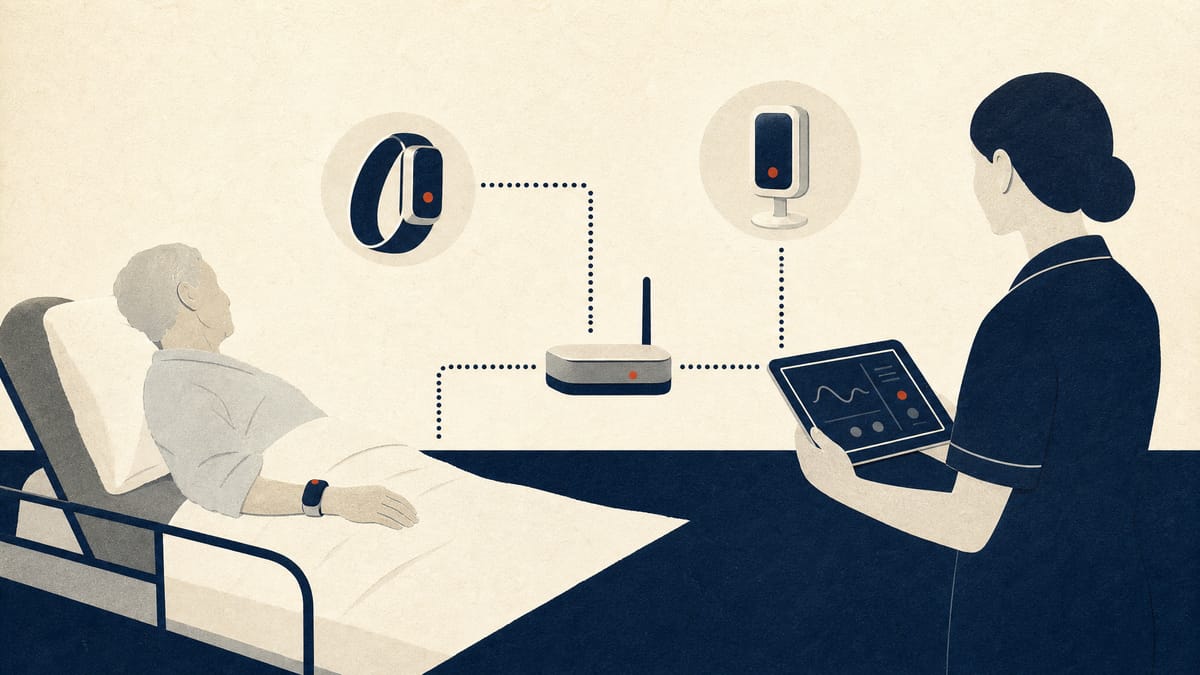
Zenko is the clearest expression of that pivot. CAICA says it wants to combine Zenko’s nursing-care customer base and operating know-how with CAICA Technologies’ software development and NEX’s IoT hardware to build data-linked care services. The catch is timing. At the half-year stage, Zenko was consolidated only on the balance sheet. Its profit and loss will start flowing into consolidated earnings from the third quarter, with six months of contribution planned for the year ending October 2026.
That is why the balance sheet looks larger than the income statement. Assets rose to 6,836 million yen and net assets to 6,121 million yen, while goodwill from the acquisition stood at 2,289 million yen after a 207 million yen impairment and is set to be amortised over 10 years. CAICA also booked a 207 million yen step-acquisition gain. The company says the impairment came from a rise in its own share price, which increased the stock-delivery acquisition cost, not from any deterioration in Zenko’s business value.
Management kept full-year guidance unchanged at 6,166 million yen of sales and 107 million yen of operating profit. That is the sober part of the story. Zenko should start contributing later in the year, but some DX solution projects are running behind the original plan. CAICA’s operating profit is improving, and its business mix is shifting. The part investors still need to see is whether the nursing-care DX bet becomes an earnings engine, not just a larger goodwill line.