Web View
Kawasaki Heavy's ¥197bn Robot-and-Hydrogen Bet Headlines a Buyback-Heavy Tokyo Session
Kawasaki Heavy just priced ¥197.4bn to chase robots, AI and liquefied hydrogen, while Toyota Tsusho and Kinden quietly retired over ¥880bn combined in stock between them. A newspaper publisher, meanwhile, fired a poison pill nobody expected to see actually go off.
MARKETS
Market pulse
Tokyo equities advanced while the 10Y JGB yield nudged higher.
Sourced from Nikkei, JPX, BOJ, MOF - values, not commentary.
lead
Kawasaki Heavy's ¥197bn Wager on Robots, AI and Hydrogen

Kawasaki Heavy Prices ¥197bn Stock and Bond Sale to Fund Robots, AI and Hydrogen Ships
Kawasaki Heavy Industries has priced a two-part overseas capital raise worth roughly ¥197.4bn: a new share offering plus ¥50bn of 2031 convertible bonds and ¥50bn of 2033 convertible bonds, the latter labeled a "Transition CB." The 2031 notes carry a conversion premium of 49.98%; the 2033 tranche carries 45.00%, both far above the premiums Japanese issuers typically ask convertible-bond buyers to accept.
What changed: Proceeds are earmarked for robotic and physical-AI production lines, expanded aircraft and gas-turbine manufacturing capacity, and a liquefied-hydrogen supply chain the company wants running commercially by the early 2030s.
Why it matters: A heavy-industrial group best known for motorcycles, aircraft components and energy equipment is asking capital markets to fund a bet on robotics and AI hardware alongside a hydrogen supply chain with no near-term revenue. Premium pricing this high means bondholders are underwriting years of buildout before conversion becomes attractive.
What to watch: Whether the liquefied-hydrogen supply chain hits its early-2030s commercial target, and how much of the ¥197.4bn lands in physical-AI production versus aircraft and gas-turbine capacity that already earns revenue.
secondary
Eisai's Alzheimer's Drug Goes Weekly, At Home
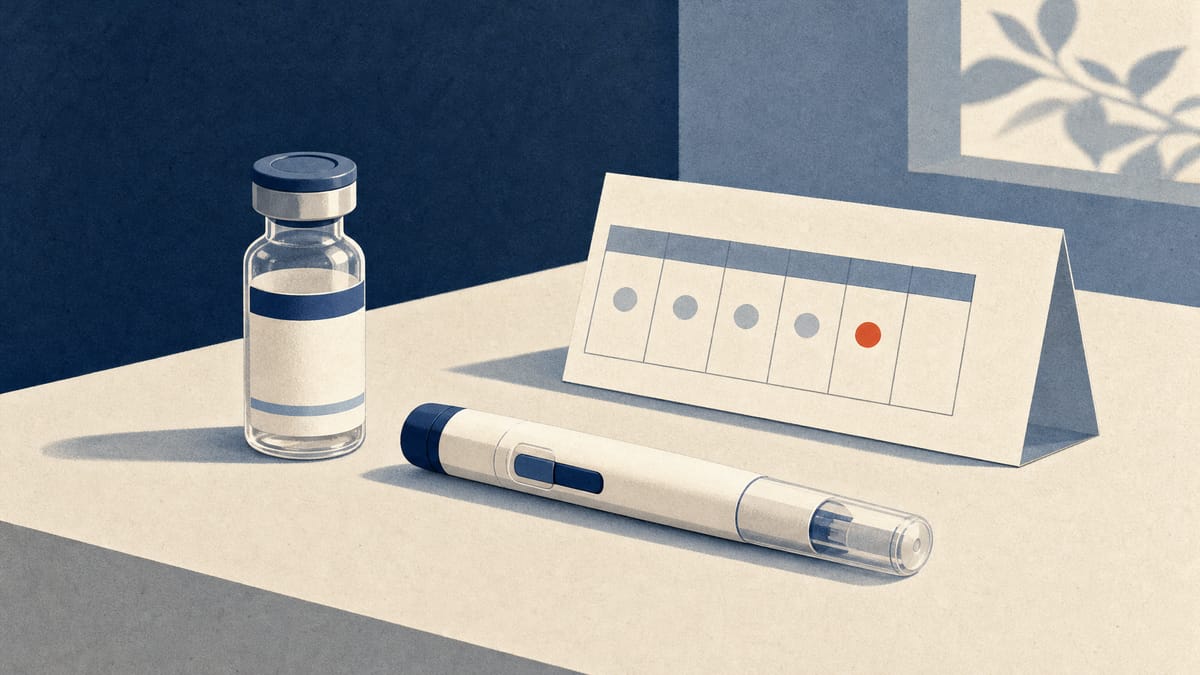
FDA Clears At-Home Starting Dose for Eisai's Alzheimer's Drug Leqembi
The US Food and Drug Administration has approved letting Eisai and Biogen market LEQEMBI IQLIK, the subcutaneous formulation of lecanemab, as initial therapy for early Alzheimer's disease, the companies said on July 13, 2026. The FDA had already cleared the same formulation for maintenance dosing in August 2025; this approval extends it to the start of treatment, letting patients skip the intravenous infusions that previously kicked off care.
What changed: Patients can now begin Leqembi with a weekly, at-home injection instead of starting on IV infusions and switching to the subcutaneous version later for maintenance.
Why it matters: Removing the IV-infusion requirement at the start of treatment lowers a logistical hurdle that has slowed Leqembi's rollout, a real constraint for a drug aimed at an aging population that often cannot easily travel to infusion centers.
What to watch: Uptake among newly diagnosed early Alzheimer's patients now that the at-home injection option covers both the start and maintenance phases of treatment.
secondary
Buyback Season: Toyota Tsusho, Kinden and WingArc1st Cash Out

Toyota Tsusho Completes ¥663.7bn Share Buyback via Self-Tender Offer
Toyota Tsusho Corporation, the trading arm of the Toyota Group, completed a self-tender offer for its own shares, settling the purchase on June 24, 2026. The company acquired 118,095,432 common shares at ¥5,620 apiece, for a total outlay of ¥663.70bn, using up 99.99% of the buyback its board authorized in April.
The number: ¥663.70bn returned to shareholders in a single settlement, one of the largest self-tenders on record for a Japanese trading house.
Why it matters: A repurchase executed almost to the yen of its authorized limit points to a trading company with more capital than it currently needs for its core business, consistent with the broader unwinding of Toyota Group cross-shareholdings.
Kinden Buys Back ¥223.68bn of Stock in a Single Trading Day
Kinden Corporation spent almost its entire board-authorized buyback budget in a single session. On June 23, 2026, the company bought back 33,500,000 of its own shares for ¥223.68bn, using up 99.99% of the 33,500,100-share limit its board had approved.
The number: ¥223.68bn deployed in one day, an unusually concentrated repurchase for an electrical-construction contractor.
Why it matters: Completing a buyback this size in a single session, rather than spreading purchases over weeks, signals Kinden wanted the retirement done before its own board deadline rather than optimizing execution price.
WingArc1st Calls Its Own Stock Price 'Extremely Insufficient', Backs the Claim With a ¥3.0bn Buyback
WingArc1st's board told shareholders its own stock trades at an "extremely insufficient" level relative to its growth and cash flow, and backed the claim with a buyback of up to ¥3.0bn, or 3.45% of shares outstanding, running from August 2026 through May 2027.
What changed: The company authorized market purchases on the Tokyo Stock Exchange, including ToSTNeT-3 off-auction trades, capped at ¥3.0bn.
Why it matters: A board explicitly labeling its share price as too low, in a public disclosure, is a stronger signal than standard buyback boilerplate; it commits WingArc1st to buying through May 2027 regardless of near-term price moves.
secondary
Governance Fights: Poison Pills, Related-Party Loans and a Fraud Cleanup
Toshin Holdings Enters Court-Supervised Restructuring After Accounting Fraud
Toshin Holdings, the Nagoya-based operator of mobile-phone shops, rental buildings and golf courses, is now run by two court-appointed trustees. The Tokyo District Court opened corporate reorganization proceedings on May 8, 2026, the same day Toshin's board voted to file for it, the end point of a crisis that began with a subsidiary's dual bookkeeping.
What changed: The dual-bookkeeping scheme broke loan covenants, drew a Tokyo Stock Exchange delisting warning, and forced multiple corrections to prior-year earnings statements.
Why it matters: Court-supervised reorganization strips existing management of control and puts creditors and trustees in charge of deciding what survives.
What to watch: How much of Toshin's retail and leisure business the trustees keep running versus wind down as the reorganization proceeds.
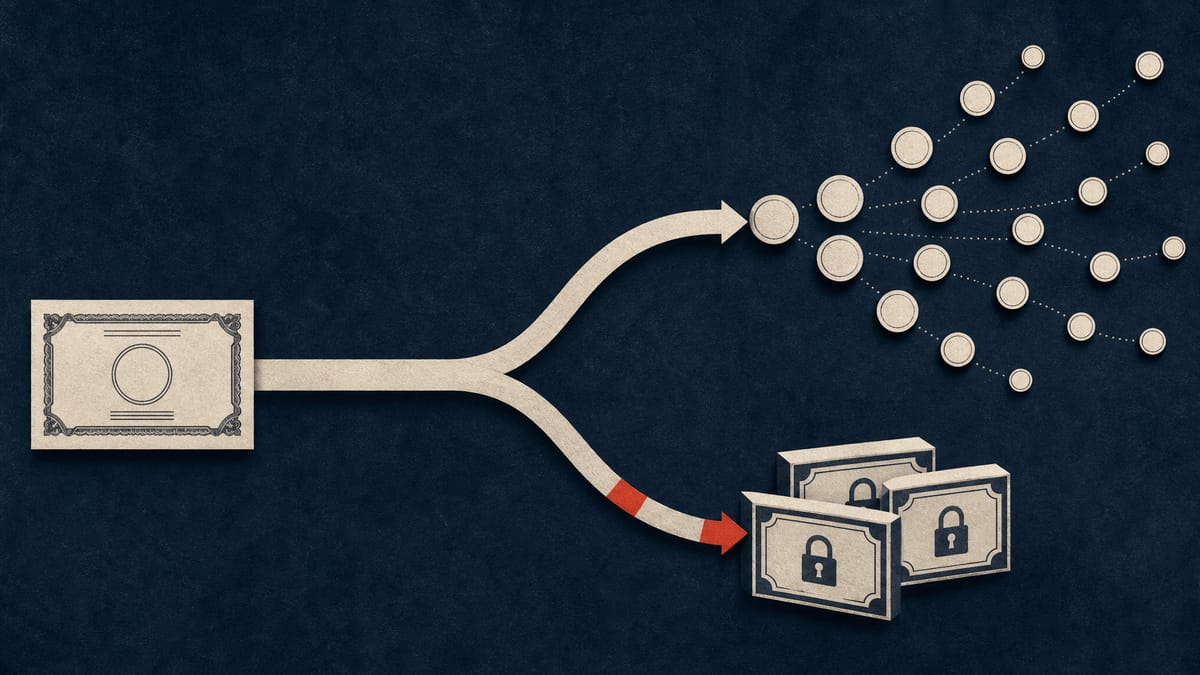
CHIIKISHINBUNSHA Fires Its Poison Pill at a Seven-Party, 31% Shareholder Bloc
CHIIKISHINBUNSHA, the listed regional newspaper publisher, is activating its takeover-defense policy against seven shareholders whose combined stake has reached 30.95% of voting rights. The board voted unanimously on July 13, 2026, following a unanimous recommendation from its independent committee, that the seven parties had acted in concert without complying with the company's defense policy.
What changed: The company will issue a gratis allotment of stock acquisition rights to all shareholders, then use a discriminatory acquisition clause to buy back the rights held by the seven-party bloc, diluting their economic stake while leaving other shareholders with new common shares.
Why it matters: Poison-pill activations rarely reach the stage of an actual rights allotment in Japan; boards usually negotiate or the acquirer backs off first. CHIIKISHINBUNSHA's board is pressing ahead and will only ask shareholders to ratify the move after the fact, at its annual meeting this November.
Sincere Lends Parent Yukaria ¥1.0bn at 6% for an 11-Week Term
Sincere Co will lend ¥1.0bn to its parent company and controlling shareholder, Yukaria Inc, at a fixed 6.0% annual interest rate, under a board resolution dated July 14, 2026. The loan carries no collateral, disburses July 15, and must be repaid in full by September 30, a term of roughly eleven weeks.
What changed: Three independent directors reviewed the loan and confirmed the rate and term don't disadvantage Sincere's minority shareholders.
Why it matters: Unsecured, short-term loans to a controlling shareholder test exactly the governance safeguards related-party rules were built to catch; the independent-director sign-off is the mechanism meant to prevent a subsidiary from quietly subsidizing its parent.
FTGroup's Second-Largest Shareholder Exits, Leaving Hikari Tsushin With 72.6% of the Vote
FTGroup has lost its second-largest outside shareholder. HCMA Alpha, a Tokyo-based holding company that manages securities investments, sold its entire 3,870,200-share stake in FTGroup, 13.03% of voting rights, effective June 30, 2026.
What changed: Neither the large-shareholding amendment filed July 7 nor the extraordinary report filed July 14 names a buyer for the stake.
Why it matters: The exit leaves parent Hikari Tsushin holding 72.62% of the vote as the only sizeable shareholder still on FTGroup's register, tightening control at a company that already had limited free float.
RAKUS pays ¥23.1bn for Oasis's stake in HR software maker Plus Alpha Consulting
RAKUS is paying ¥23.1bn to buy out activist fund Oasis Management's entire stake in Plus Alpha Consulting, the company behind the Talent Palette HR-software platform. The purchase of 6,906,100 shares, a 16.30% voting stake, lifts RAKUS's total holding in Plus Alpha from 5.91% to 22.21%, enough to make the HR-software firm an equity-method affiliate once regulatory approvals clear.
What changed: A signed memorandum locks RAKUS into a standstill, one board seat and a right of first refusal on Plus Alpha, terms that stop short of a full buyout.
Why it matters: The deal removes an activist investor from Plus Alpha's register while giving RAKUS influence without full control, a structure that lets both sides avoid a contested takeover fight.
secondary
Earnings Roundup: Winners, Write-Downs and a Defense Bet

Bic Camera's Nine-Month Profit Jumps 35% on Tourist Duty-Free Boom
Bic Camera's operating profit rose 35.8% to ¥33.3bn in the nine months to May 31, part of the fiscal year ending August 2026, as sales of cameras, smartphones and air conditioners offset a slide in television demand. Net sales for the period climbed 7.6% to ¥785.4bn.
What changed: Sales, operating profit, ordinary profit and net income all set records for a nine-month period, with net income attributable to parent shareholders up 31.1% to ¥19.8bn.
Why it matters: Duty-free sales to tourists are doing real work in Bic Camera's numbers even as television sales keep sliding, showing how dependent the electronics retailer's growth has become on inbound visitor spending rather than domestic replacement-cycle demand.

TSI Holdings' Profit Jumps 66% as Newly Bought Brands Drag Down Margins
TSI Holdings grew quarterly net sales 30% to ¥46.28bn in the three months to May 2026, with operating profit rising even faster, up 65.8% to ¥2.51bn. Most of that growth came from two recent acquisitions, Freak's Store operator Daytona International and umbrella maker Waterfront.
The catch: The newly acquired businesses keep less of each yen of sales than TSI's core apparel brands, pulling gross margin down 1.2 points even as the bottom line improved.
Why it matters: TSI is covering the acquisitions' lower margins with sharper cost cuts rather than pricing power, a trade-off that works while sales are growing fast but leaves less room if that growth slows.
Askul Writes Down ¥4.82bn as Yen Weakness Stalls Its 2023 AP67 Acquisition
Askul is writing down almost all the goodwill and customer-relationship value it booked when it bought AP67, the office-supply group behind Feed Corporation, in February 2023. In an extraordinary report filed July 14, the company said it had revised AP67's growth plan and booked a ¥4.82bn impairment loss on goodwill and customer-related assets in its results for the year to May 2026.
Why it matters: A three-year-old acquisition erased almost entirely on the balance sheet points to import costs from a weak yen and integration synergies that arrived slower than Askul's original growth plan assumed.
What to watch: Whether Askul revises its outlook for AP67 further or treats this write-down as the end of the adjustment.
QPS Holdings Bets a ¥69.7bn Defense Deal Can Erase Its Satellite Losses
QPS Holdings, the Fukuoka-based maker of small radar-imaging satellites, closed the year to May 2026 with an ¥833mn operating loss even as revenue rose 42% to ¥3.80bn. The company still reported net income of ¥1.15bn, because subsidy income and joint-research payments from Japan's space agency outweighed the operating shortfall.
What changed: QPS is guiding to a ¥300mn operating profit next year, betting that a five-year, ¥69.7bn Ministry of Defense satellite-constellation contract will contribute more than ¥7.0bn in its first full year of revenue.
Why it matters: The gap between a losing core hardware business and a profitable bottom line shows how Japan is financing a young space-defense contractor years ahead of steady commercial revenue, with the state effectively underwriting the runway through subsidies and now a defense contract.
secondary
Risk and Compliance: A Bad Loan, a Revoked License, a Breach

Towa Bank to Sell ¥11.3bn in Securities to Cover a Single Borrower's Bad Debt
Towa Bank told markets on July 14 that its board had approved selling part of its investment securities portfolio, expecting to raise about ¥11.3bn and book a gain of roughly ¥5.5bn. The move follows a credit problem the bank disclosed a week earlier: a ¥8.0bn claim against a company called Zentoshin, of which ¥5.8bn has no collateral or reserve behind it.
What changed: The securities sale is timed to offset most of the uncollateralized exposure to a single borrower rather than routine portfolio rebalancing.
Why it matters: Towa Bank says its profit forecast for the year to March 2027 holds for now, but the figure is subject to review at its August 4 earnings release, meaning the Zentoshin exposure isn't fully resolved yet.

METI Strips A&D Subsidiary of Its Authority to Certify Measuring Instruments
Japan's Ministry of Economy, Trade and Industry has revoked A&D Co.'s designation as a verification body for specified measuring instruments, an administrative penalty that took effect July 14 and cuts off a certification service the company had run for years.
What changed: A&D Holon Holdings, the subsidiary's listed parent, says it is lining up outside help for customers who relied on the certification service.
Why it matters: Losing a regulatory designation over compliance issues is a rare enforcement action against a listed company's subsidiary; A&D Holon says the financial impact will be minor, but the disclosure doesn't specify what triggered the revocation.
SMS Gateway Breach at Fabrica's Media 4u Exposes 95,412 Account Records
Fabrica Holdings said its subsidiary Media 4u detected a cyberattack on its SMS transmission system on June 24, 2026. Attackers gained unauthorized access to the system's management console and took an account management file covering 95,412 accounts, along with sending 280 unauthorized text messages, before the company disclosed the breach publicly on July 14.
What changed: Three weeks passed between detection and public disclosure.
Why it matters: The company says passwords, password hashes, API keys, authentication tokens and billing information were not among the stolen data, but a three-week gap between detection and disclosure of a breach affecting 95,412 accounts left customers exposed to unauthorized messages without warning for that period.
secondary
Policy Watch: AM Radio's Slow Fade to FM

Tokyo Regulator Proposes More Room, and More Time, for AM Radio's Move to FM
Japan's Ministry of Internal Affairs and Communications has opened a public comment period on draft changes that would give commercial AM broadcasters more frequency room, and more time, to shift listeners onto FM before switching AM transmitters off for good.
What changed: The draft extends the AM suspension trial period to as late as October 31, 2028 depending on the guideline, opens 90.1–98.9 MHz for broadcast preservation with the 76.1–90.0 MHz band permitted under strictly necessary conditions, and would drop the requirement that broadcasters announce a shutdown over the air.
Why it matters: AM broadcasters have run suspension trials for years without a fixed endpoint; stretching the deadline toward 2028 and easing the spectrum and announcement rules effectively locks in AM's slow wind-down as government policy rather than a temporary experiment.
quick hits
Quick Hits
CyberStep Unwinds Its ¥1.25bn AI Acquisition, Recovers Every Yen
Read moreCyberStep Holdings is returning the AI subsidiary it fully absorbed in January after deciding the ¥1.25bn deal's original business assumptions no longer hold, and the seller is sending back every yen.
WIZE's Solana Stash Passes ¥1.0bn as Average Cost Keeps Falling
Read moreWIZE has built a Solana stash worth more than ¥1.0bn at an average cost of ¥15,053 per token, and because it marks the holding to market every quarter, price swings will flow straight into reported profit, an effect the company says it has not yet quantified.
Tose Absorbs an Unpaid Contract Freeze, While Confirming Switch 2 Work
Read moreAn overseas client froze a major console project at Tose with no restart date and no payout for the idle staff, prompting the outsourcer to consider penalty clauses in future contracts. Tose also confirms several of its 2026 titles are built for Nintendo's Switch 2.
Unemployed investor's stake in tiny-float Tokyo port operator hits 14.55%, then he lends out every share
Read moreYuji Yamamoto financed his entire ¥576.5mn stake in Sakurajima Futo with his own money and then lent all 224,000 shares to Rakuten Securities and SBI Securities.
Invincible Fixes Cost on ¥35bn of Debt, Greens Part of a ¥41bn Refinancing
Read moreInvincible Investment Corp fixed borrowing costs of 1.98% to 2.63% on ¥35.03bn of debt via swaps with Sumitomo Mitsui Trust Bank and Mizuho, and separately refinanced ¥41.15bn of maturing loans, with ¥15.33bn routed through green-loan terms tied to three hotel properties.