Why Germany
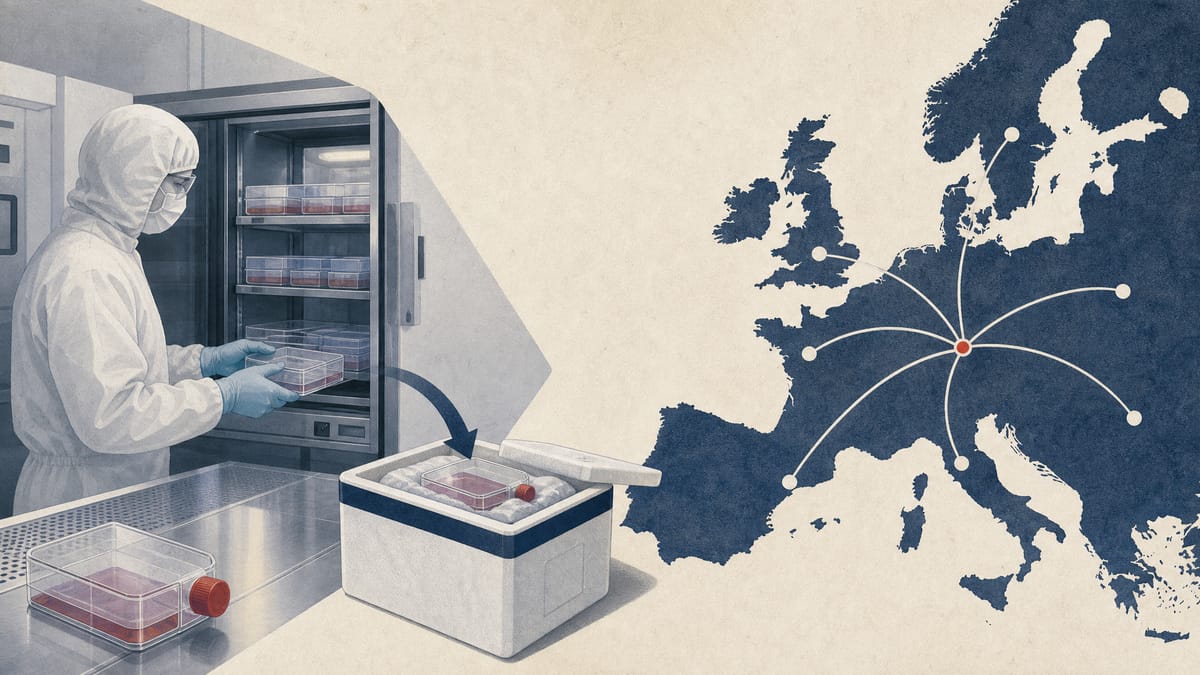
Perishable is not a word investors usually want in a growth plan, but it is the central constraint in G-JTEC's European push. The company said it will establish a wholly owned German subsidiary because exports of its LabSite series of research-use human cultured tissue have run into physical limits in Europe. The products contain living human cells and have short storage lives, and G-JTEC said recent international instability has made it harder to deliver them broadly and reliably across European countries. That matters because the company also describes Europe as the market where alternatives to animal testing are used most extensively.
Why Heidelberg
G-JTEC's answer is to move manufacturing and sales closer to customers. It chose Heidelberg because it sees the city as a central base for building efficient logistics across Europe. Just as important, the company said it can partner with a shared laboratory that already has the equipment needed to make the products, which should keep initial investment down and help it build production capacity quickly.
| Feature | Detail |
|---|---|
| Name | Japan Tissue Engineering Europe GmbH |
| Location | Nikola-Tesla-Str 1, 69124 Heidelberg, Germany |
| Set-up model | Shared laboratory partnership with the equipment needed for production |
| Business | Development, manufacturing and sales of scientific products and experimental and research-use products, plus related services |
| Capital | €25,000 (about ¥4.6mn) |
| Ownership | 100% G-JTEC |
| Planned start | Within 2026 |
| Consolidation | From the year ending March 2027 |
What the new unit will do
The new company, Japan Tissue Engineering Europe GmbH, will be capitalized at €25,000, about ¥4.6mn, and will be 100% owned by G-JTEC. Its stated business covers the development, manufacture and sale of scientific products and experimental and research-use products, plus related services. G-JTEC also said the unit is expected to have transactions with the parent for raw materials and similar items. Operations are scheduled to start within 2026, and the subsidiary is expected to be consolidated from the year ending March 2027. Management was careful not to promise a quick earnings lift, saying the near-term impact on consolidated results should be minor.
The parent-company backdrop
A same-day controlling-shareholder filing adds one useful governance detail. Teijin owns 57.72% of G-JTEC's voting rights, and G-JTEC said its capital and business alliance agreement requires the company to notify Teijin in writing and obtain prior written approval for decisions involving changes to subsidiaries or affiliates. That does not change the operating logic for Heidelberg, but it does show the expansion sits inside a formal parent-subsidiary approval structure.
What the filings do not say, at least yet, is how fast European demand might ramp once local production starts. There is no disclosed sales target, capacity figure or customer count. The immediate disclosed payoff is more practical: G-JTEC says a local base should let it serve customers that had previously held back because of transport risk and shelf-life constraints.