FTGroup's latest disclosures describe a business that is getting smaller in revenue terms without giving up much profit. In the year to March 2026, revenue fell to ¥31.58bn from ¥34.63bn, while profit before tax eased to ¥9.21bn from ¥9.33bn and profit attributable to owners of the parent slipped to ¥6.46bn from ¥6.61bn.
| Metric | Year to Mar 2026 | Year to Mar 2025 | Year to Mar 2024 |
|---|---|---|---|
| Revenue | ¥31.58bn | ¥34.63bn | ¥36.48bn |
| Profit before tax | ¥9.21bn | ¥9.33bn | ¥7.71bn |
| Profit attributable to owners of parent | ¥6.46bn | ¥6.61bn | ¥5.28bn |
The longer run in the annual report makes the shape clearer. Revenue is listed at ¥45.24bn for the year to March 2022, then ¥40.70bn, ¥36.48bn, ¥34.63bn and now ¥31.58bn, while pre-tax profit is shown at ¥6.48bn, ¥5.85bn, ¥7.71bn, ¥9.33bn and ¥9.21bn across the same sequence. By March 2026, equity attributable to owners of the parent stood at ¥35.29bn, total assets at ¥45.35bn and the owners' equity ratio at 77.8%. Basic earnings per share were ¥217.35.
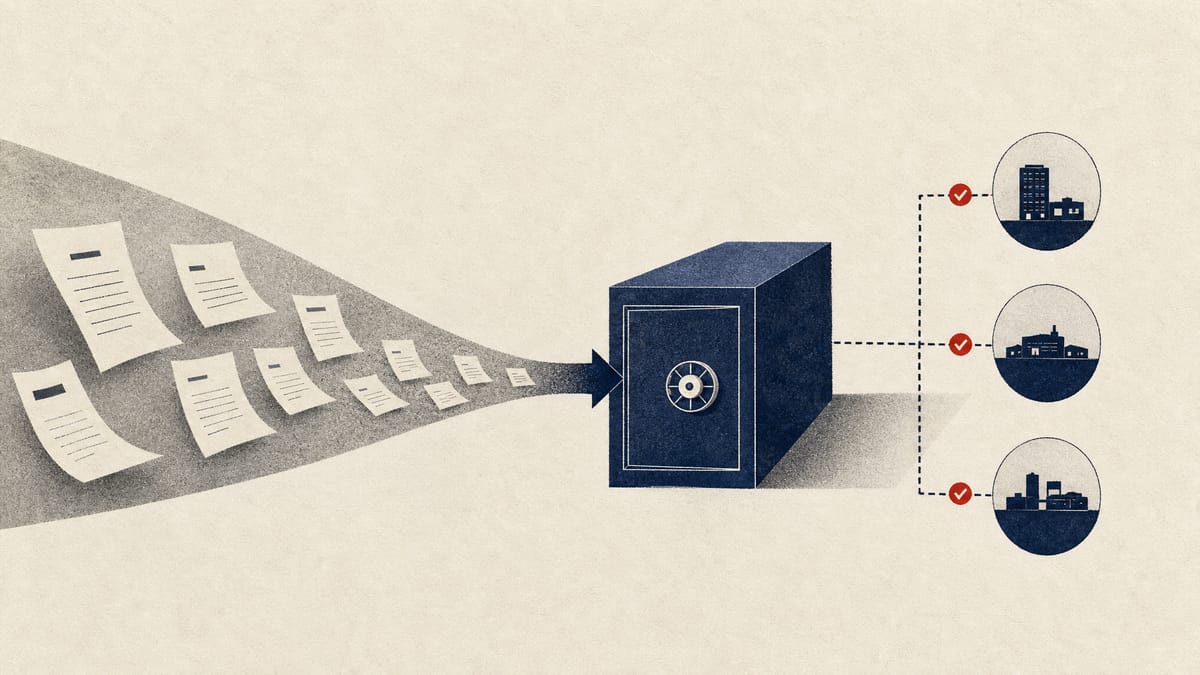
The governance read-through is fairly specific. In its internal control report, FTGroup said financial reporting controls were effective as of March 31, 2026. The evaluation covered company-wide controls across six group companies, excluded three consolidated subsidiaries judged immaterial, and selected three business locations that together represented roughly two-thirds of consolidated revenue for deeper process testing. At those locations, the review covered revenue, receivables, merchandise costs, payables, commission payments, accrued payables and inventory. The company also said it added processes tied to investment securities, goodwill and intangible assets because those areas carry a higher risk of material misstatement and rely on estimates.
Put together, the filings show a company reporting less revenue than it did a few years ago, while still posting pre-tax profit above ¥9bn and carrying equity of ¥35.29bn against total assets of ¥45.35bn. What the supplied evidence does not spell out is why revenue has stepped down over time, because the packet contains summary financial rows and control disclosures rather than segment detail or management narrative. The unresolved piece is the cause of that revenue decline.