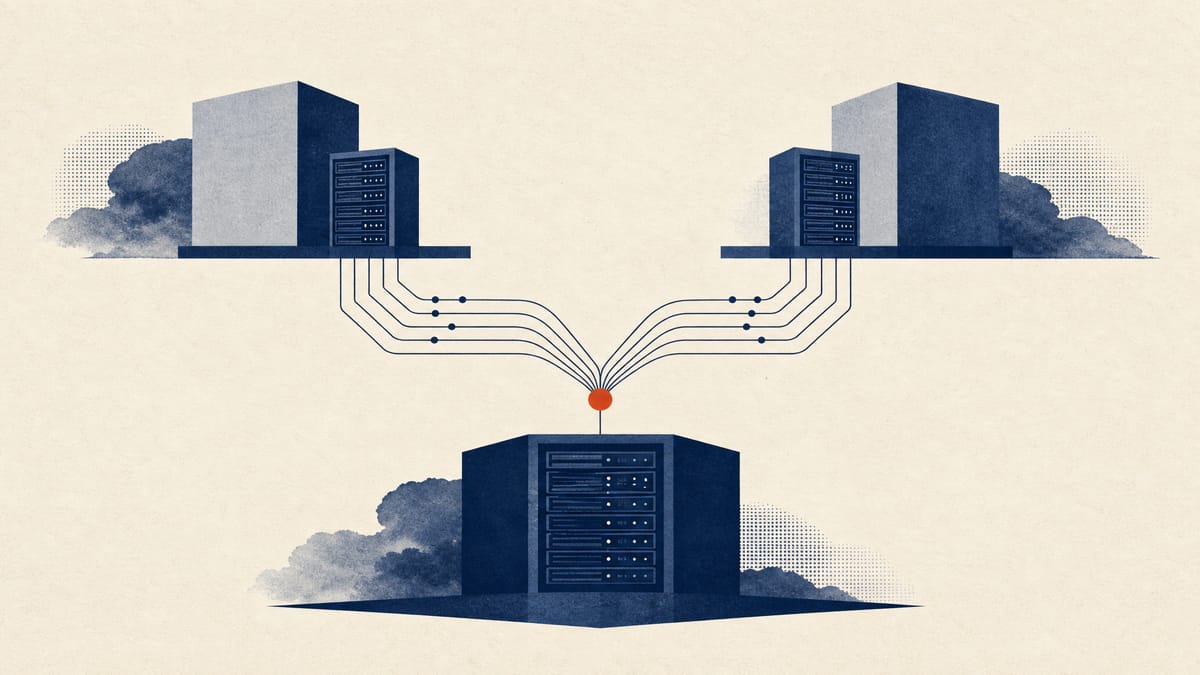
PCI Holdings has moved its planned retreat from pure holding-company life into contract form. The company said on June 30 that it signed an absorption-merger agreement to take in wholly owned PCI Solutions on October 1, with the parent surviving, the subsidiary disappearing, and the parent then planning to rename itself PCI Solutions.
| Feature | Detail |
|---|---|
| Planned effective date | October 1, 2026 |
| Structure | PCI Holdings survives, PCI Solutions is absorbed |
| Shareholder approval | Not required at either company under simplified and short-form merger rules |
| Merger consideration | No shares or cash will be allocated |
| Post-merger name | PCI Solutions Co., Ltd. (planned) |
| Business added to the parent | Information services, including software and service consulting, planning, development, guidance, sales and maintenance |
| Company view on earnings impact | Impact on consolidated results expected to be minor |
The mechanics are intentionally plain. Because PCI Solutions is wholly owned, the deal qualifies as a simplified, short-form merger under Japanese company law, so neither company needs shareholder approval. PCI Holdings said there will be no share issuance, cash payment or other merger consideration, and there are no warrants or convertible-bond terms to sort out.
That matters because the filing suggests the legal chart is catching up with the operating business. In the year to March 2026, PCI Holdings reported consolidated sales of ¥26.835bn and operating profit of ¥1.558bn. PCI Solutions, on a standalone basis, posted sales of ¥14.146bn and operating profit of ¥1.243bn. After the merger, the parent says it will keep its location, chief executive, capital and March year-end unchanged, but it will directly run the information-services business now housed in PCI Solutions, including software and service consulting, planning, development, guidance, sales and maintenance.
For shareholders, the immediate question is less about headline earnings and more about what actually changes in the structure. PCI Holdings says the merger should have only a minor effect on consolidated results because the disappearing company is already a wholly owned subsidiary. What does change is the corporate map: a parent that used to sit above the operating business will absorb one of its biggest units and trade under that unit's name. The company also says the broader rationale is unchanged from its May 20 policy notice, and points readers back to that earlier disclosure for fuller detail on the shift to a business holding company and related charter changes.
That leaves a short investor checklist. First, whether the October 1 effective date holds. Second, whether the renamed parent gives a clearer view of how the operating-company model will be reported once the merger closes. Third, whether management adds any detail on how the simpler structure changes day-to-day governance, because this filing is heavy on legal mechanics and light on operational color.